












Balcony Furniture Recommendations for Enclosed and Glass-Enclosed Balconies
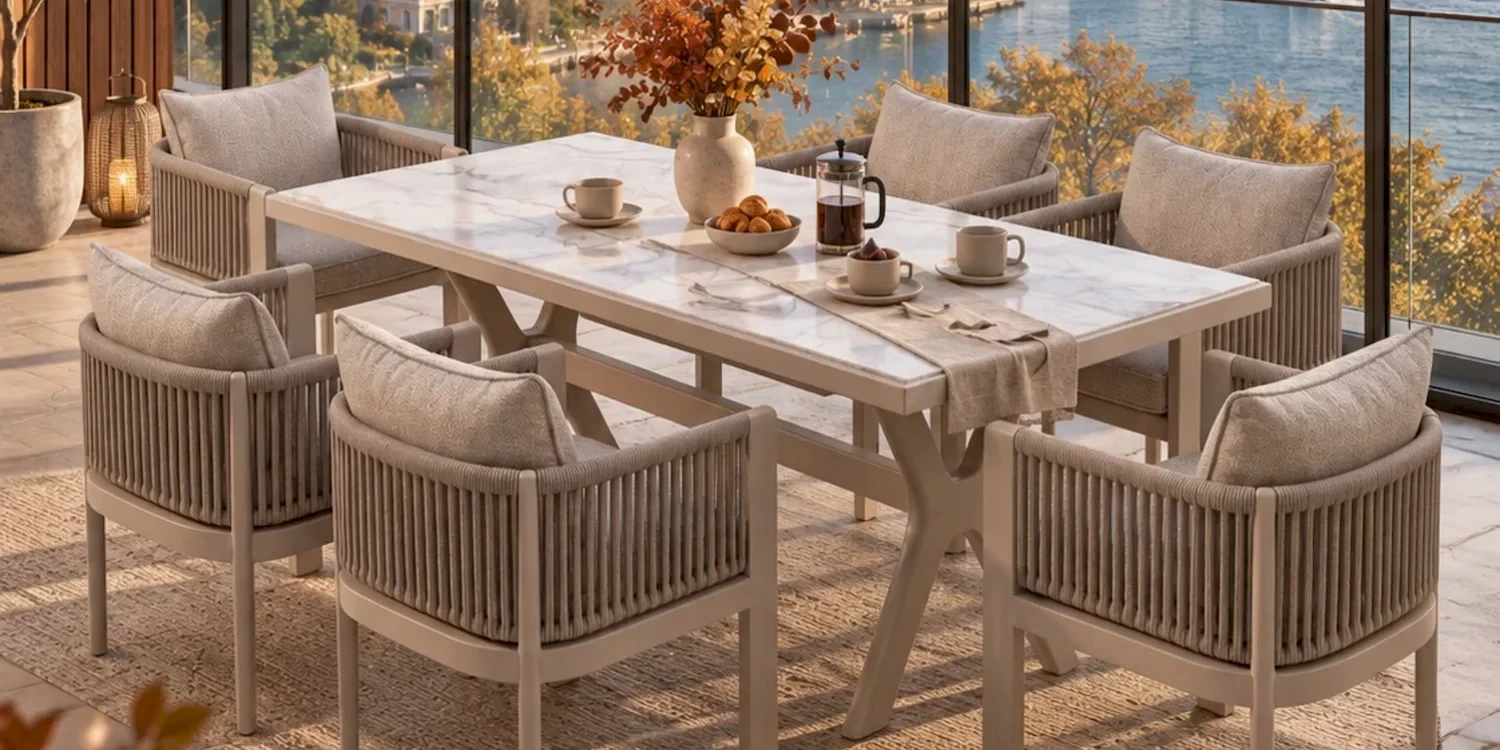
Although a glass-enclosed balcony is protected from rain, it does not provide the same conditions as a fully indoor space. Glass surfaces exposed to sunlight can increase the temperature throughout the day, while day-to-night temperature fluctuations, condensation, and air circulation can gradually affect metal, wood, and textile surfaces. When considering balcony furniture recommendations for enclosed and glass-enclosed balconies, it is important to evaluate the available floor space, the opening direction of the glass panels, the duration of sunlight exposure, and how different materials respond to environmental changes before deciding on the number of seats.
Enclosed Balconies and Glass-Enclosed Balconies Do Not Have the Same Conditions
A fully enclosed balcony with fixed glazing does not experience the same temperature and humidity conditions as a balcony whose glass panels are frequently opened throughout the day. When sliding or folding glass panels are open, the furniture is more exposed to outdoor conditions. Fabrics with high UV resistance, metal frames protected against corrosion, and surfaces that are less affected by moisture offer advantages in these spaces.
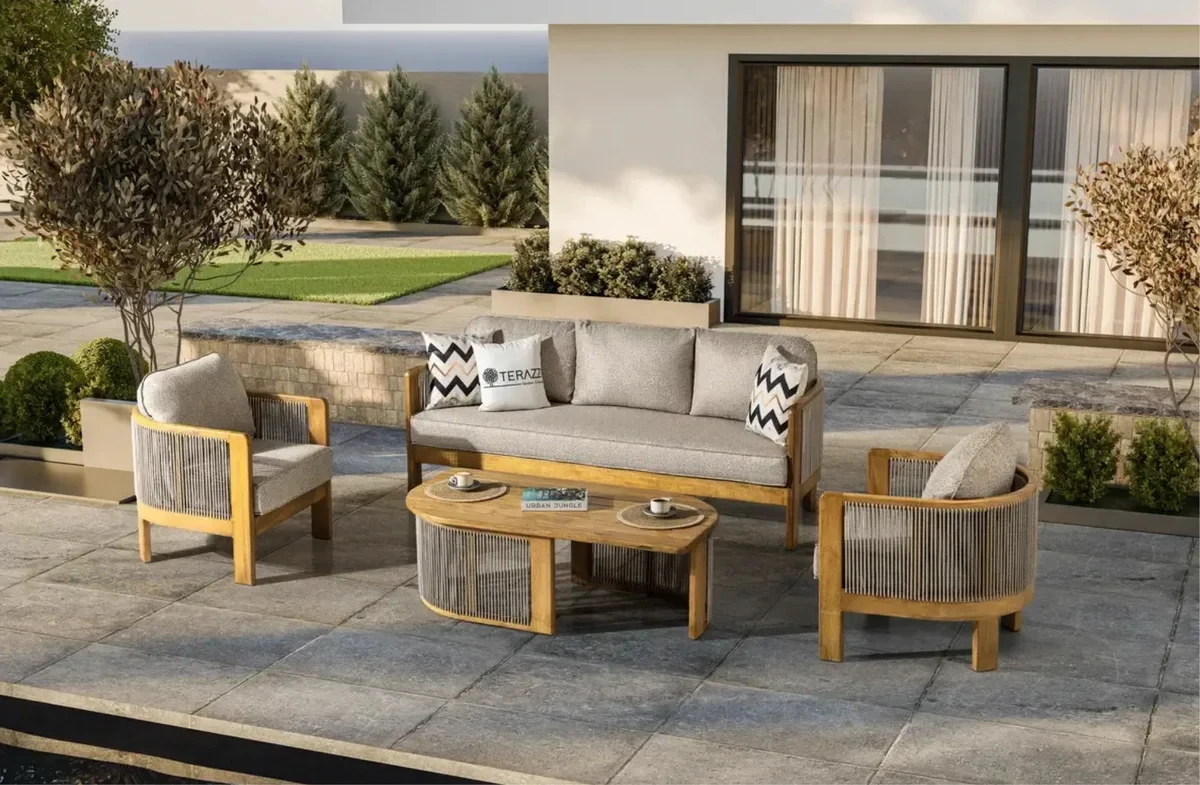
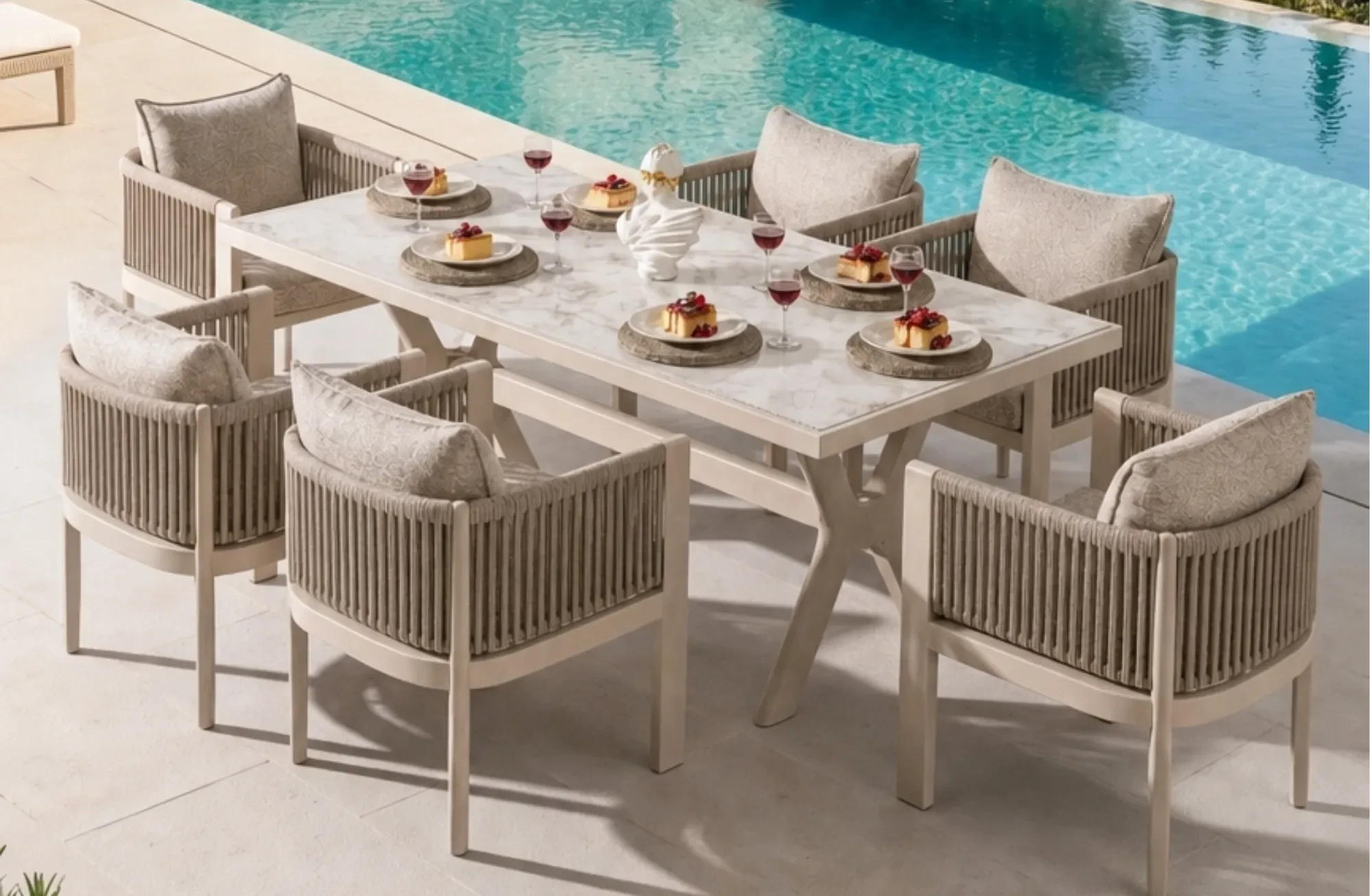
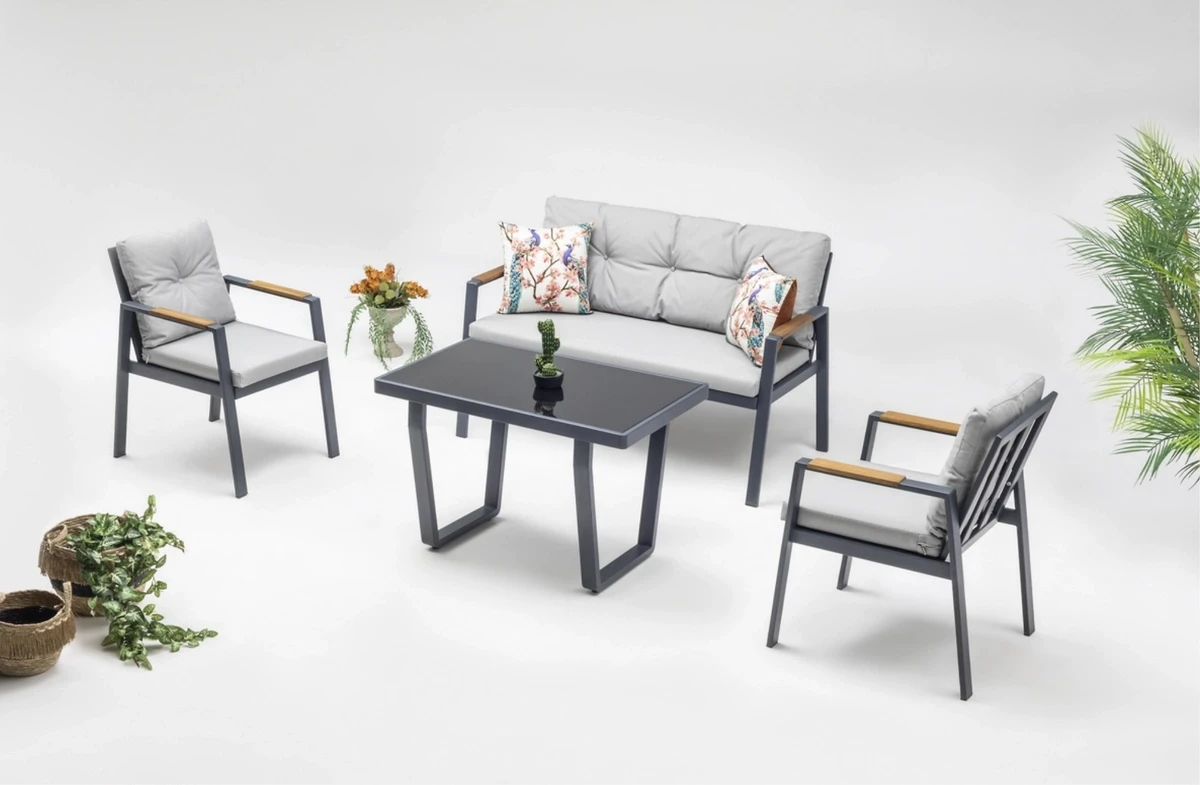
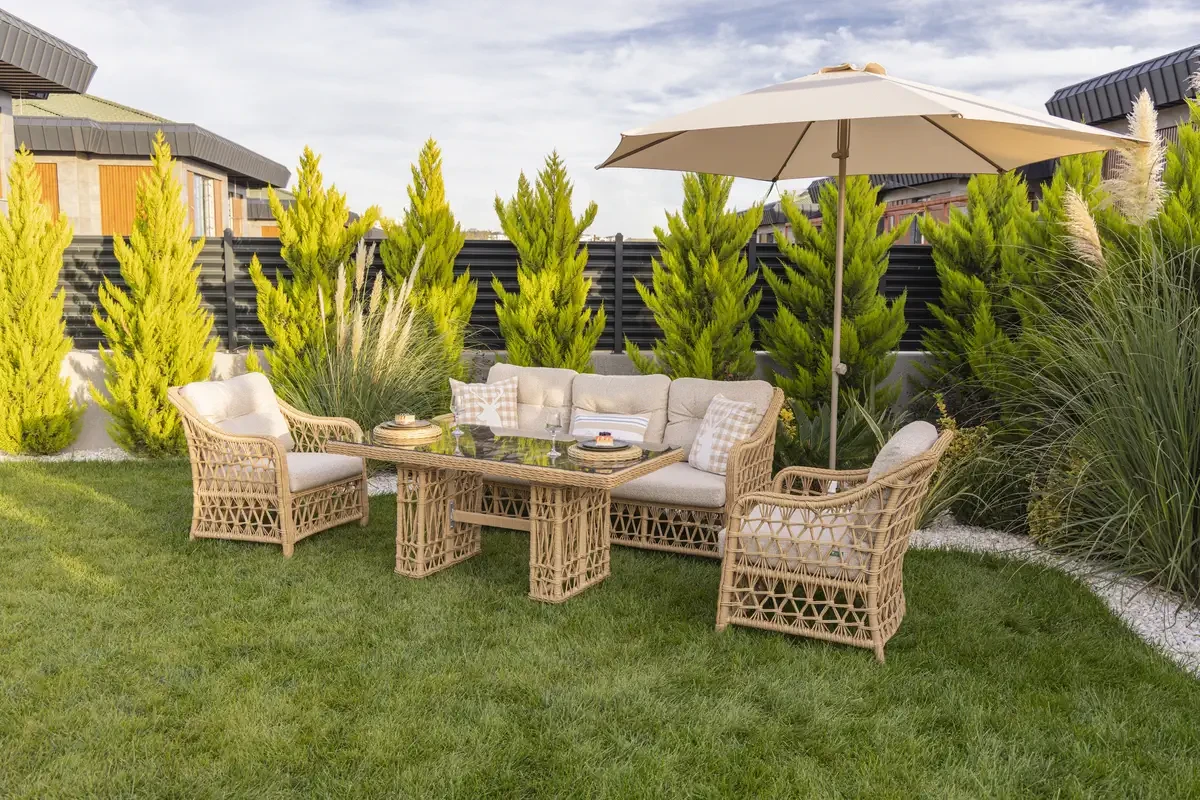
The intended use of the balcony is just as important as the number of pieces in the furniture set. A small area designed for morning coffee has different requirements in terms of table height, chair movement, and seating arrangements compared to a space where four people regularly dine. For relaxation-focused spaces, garden seating set models provide a suitable starting point, while garden dining set options in various sizes are better suited to dining arrangements.
Several technical details directly influence furniture placement during the planning process:
South- and west-facing glass surfaces may experience increased heat buildup due to sunlight.
Although glass enclosures protect against rain, they do not completely prevent humidity and condensation.
The movement paths of folding or sliding glass panels must remain unobstructed.
In narrow layouts, armrest width is just as important as the overall external dimensions of the seating.
Removable cushion covers make cleaning and maintenance easier.
The drying time of cushion filling after exposure to moisture should also be considered.
The total width between walls does not necessarily represent the actual floor space available for furniture. The usable area becomes clear only after accounting for door clearance, glass tracks, columns, radiators, and fixed planters.
Why Does Material Selection Matter in Glass-Enclosed Spaces?
Even if a balcony is not directly exposed to rain, indoor furniture may not always be the right choice. Sunlight, temperature fluctuations, and seasonal humidity continue throughout the year. Outdoor furniture designed to withstand these conditions may require less maintenance, particularly in areas where glass panels are frequently opened.
What Should You Look for in an Aluminum Frame?
Because aluminum can be manufactured into lighter structures than many steel frames of similar dimensions, furniture with an aluminum frame is easier to move and rearrange. The oxide layer that naturally forms on its surface provides an initial level of protection against corrosion. Electrostatic powder coating, applied after proper surface preparation, further enhances the metal's resistance to moisture and outdoor conditions.
When selecting a product, it is important to examine not only the thickness of the profiles but also the quality of the welds, the consistency of the paint finish, and the suitability of the fasteners for outdoor use. Damage to the protective coating, particularly around joints, may increase the risk of corrosion over time.
How Does Iroko Wood Affect Balcony Furniture Maintenance?
The natural oils and extractive compounds found in iroko wood are among the main reasons it is preferred for outdoor furniture. Compared to many conventional indoor wood species, iroko is less affected by changes in moisture levels.
Surfaces exposed to intense sunlight may gradually lose their original color and develop a grayish tone. To help preserve the wood's original appearance, iroko can be treated periodically with outdoor wood oil. For users who prefer furniture that does not require regular oil treatment, aluminum generally offers a lower-maintenance alternative.
Catalog Dimensions Do Not Reflect the Space Needed During Use
Planning furniture placement based solely on the width and length listed in a product catalog is a common mistake. When someone sits on a sofa, their legs extend forward; dining chairs need to be pulled back; and sufficient space must remain around coffee tables for movement. The dimensions listed in a catalog do not necessarily reflect the floor space required for everyday use.
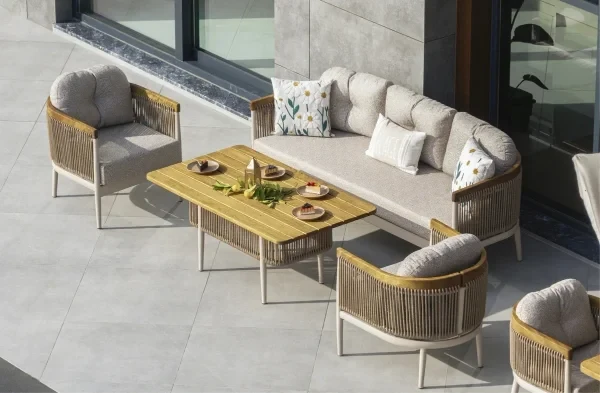
For long and narrow balconies, two armchairs with a small coffee table or compact midi seating sets with shallow seats may provide a more comfortable arrangement. A balcony seating set with wide armrests may occupy significantly more space while accommodating the same number of people. In smaller areas, even a difference of a few centimeters can affect access through a doorway or the opening of glass panels.
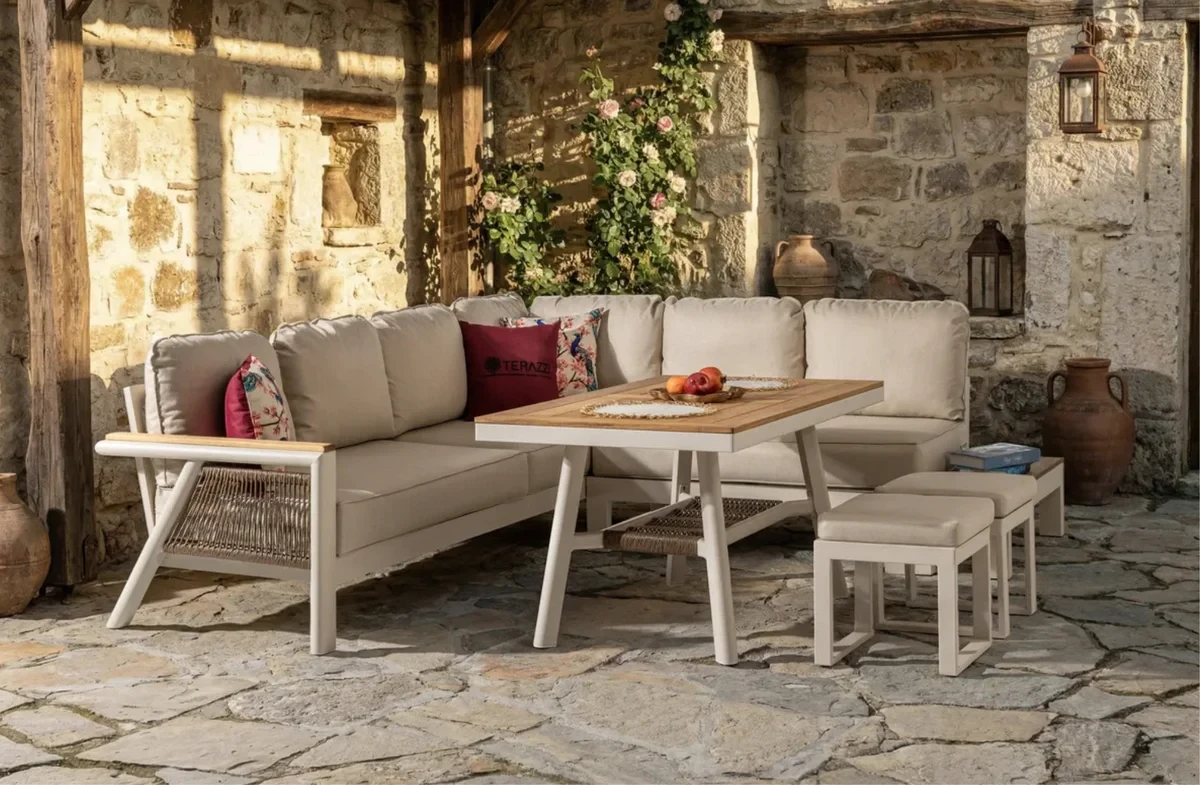
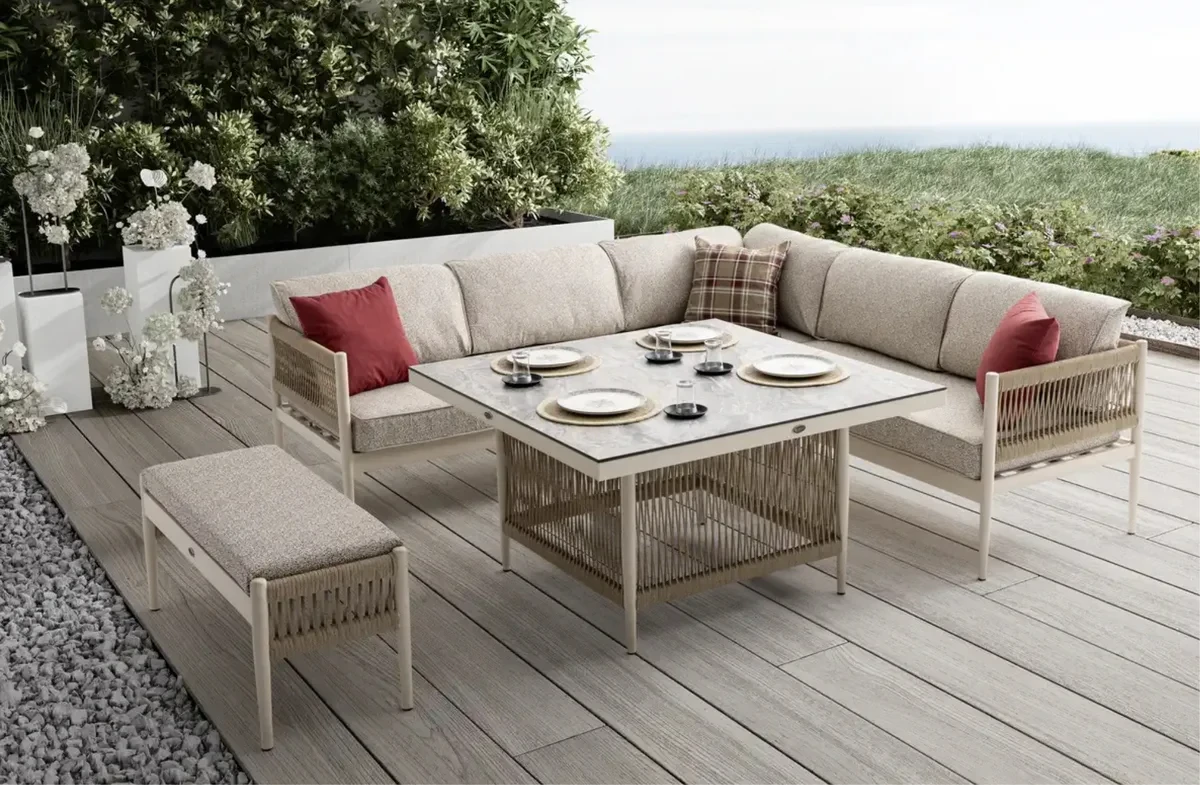
In nearly square layouts, a corner seating set can make use of the wall space while leaving the central area open. However, the longer section must not obstruct the balcony door or movable glass panels. For models available in right-hand and left-hand configurations, determining the correct orientation before ordering helps prevent placement problems.
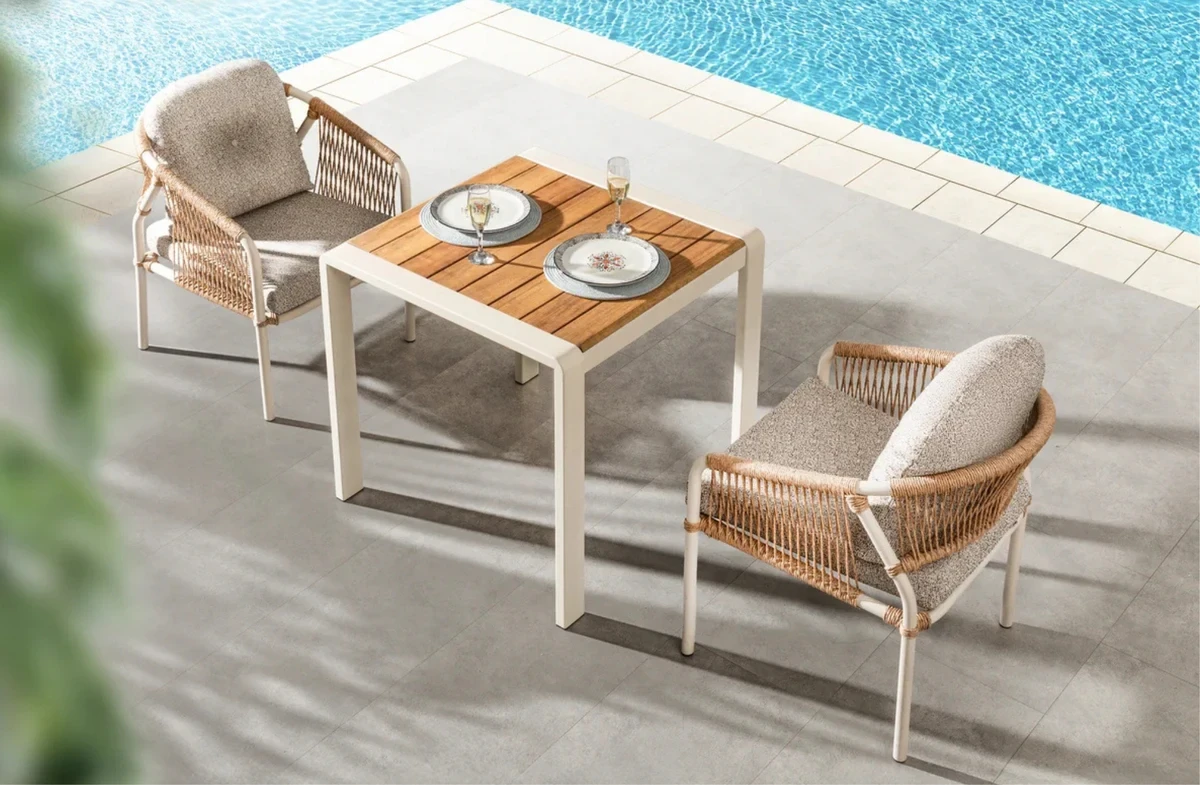
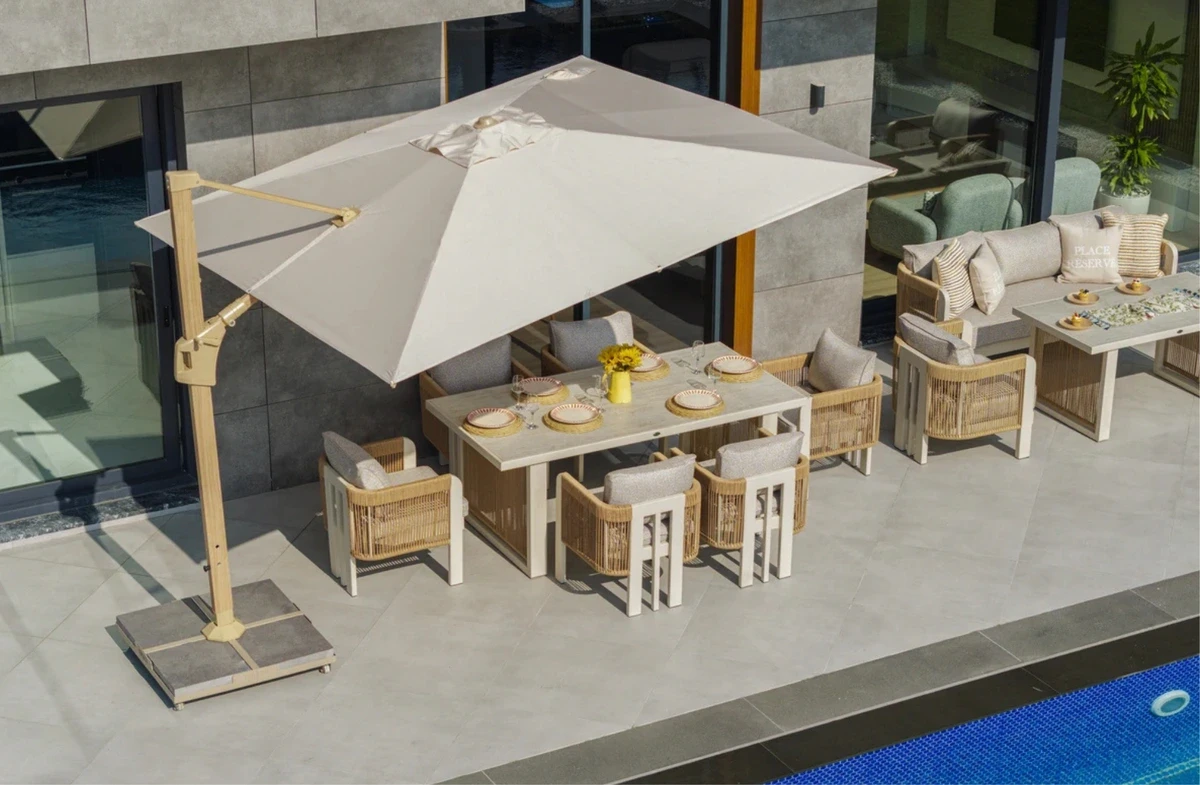
For balconies regularly used for dining, a balcony dining set with a suitable table height may be more practical than a lounge seating set with a low coffee table. The distance chairs can slide under the table, the space they occupy when pulled back, and the effect of table legs on knee clearance are just as important as the product's dimensions.
Although the ideal clearance depends on the layout, approximately 80 cm generally provides comfortable space for a main walkway. In narrower layouts, a passage of around 60 cm may be possible, but freedom of movement will be reduced. Marking the furniture dimensions on the floor with masking tape makes it easier to visualize the actual space the set will occupy before purchasing.
Which Furniture Set Is Best for Different Uses?
Two balconies of the same size may require completely different furniture arrangements depending on how they are used. Dining, relaxation, and socializing habits directly influence the dimensions and number of pieces needed.
Midi Seating Sets for Narrow Spaces
In narrow areas used by two or three people, models with slim armrests and shallow seats help maintain comfortable access. Small side tables and furniture legs that do not extend too far outward reduce unnecessary space consumption.
Terazzi's compact seating sets can be positioned more easily on balconies with limited floor space. For furniture that is frequently moved or rearranged, total weight becomes just as important as external dimensions.
Chair Clearance Is Essential for Dining Areas
On balconies used regularly for breakfast or dinner, table height and chair design become particularly important. Placing a table directly against the glass can make cleaning difficult. Leaving enough space between the table and the glass for easy access improves everyday convenience.
For a four-person dining set, it is also necessary to calculate the total space occupied when all chairs are pulled back. The position of the table legs directly affects knee clearance and seating comfort.
Choosing the Correct Corner Configuration
In rectangular layouts, a corner seating set can follow the wall line and leave more open space in the center. If the longer section is positioned on the wrong side, it may obstruct the balcony door or glass tracks. Confirming whether a right-hand or left-hand corner configuration is needed before ordering prevents this issue.
Individual Furniture Pieces for Relaxation
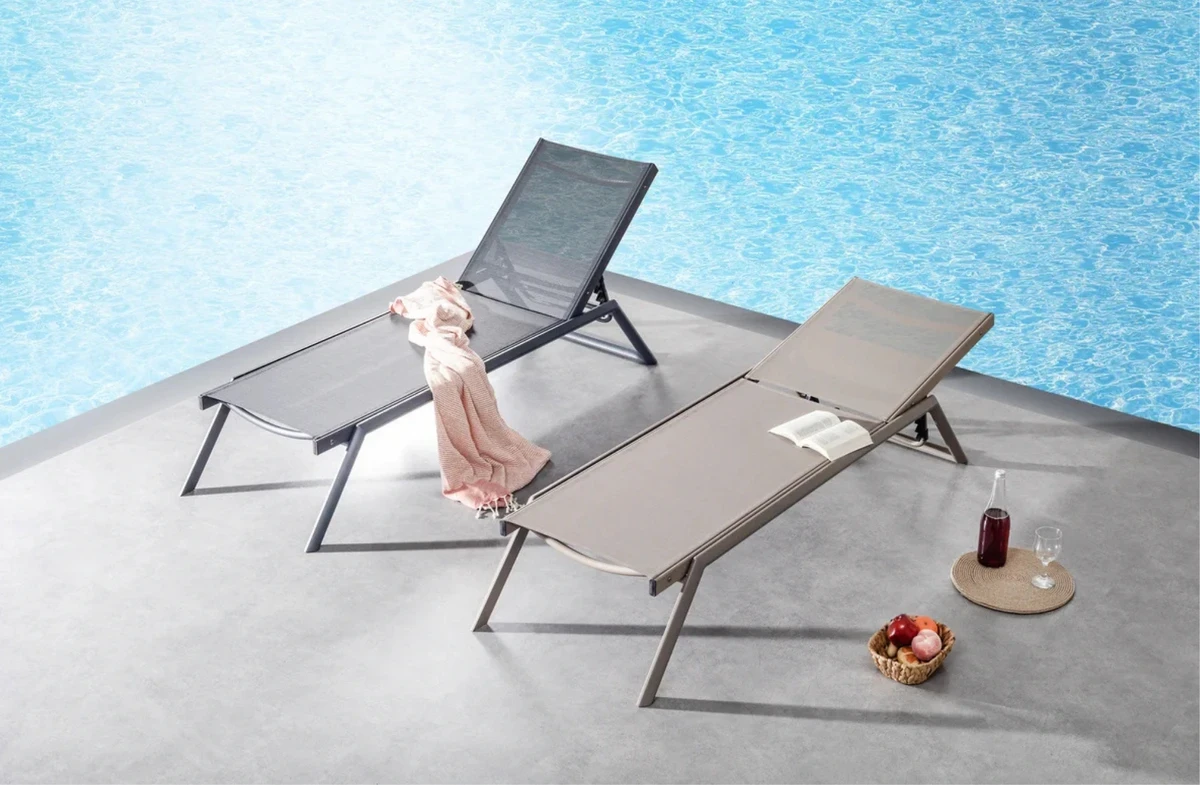
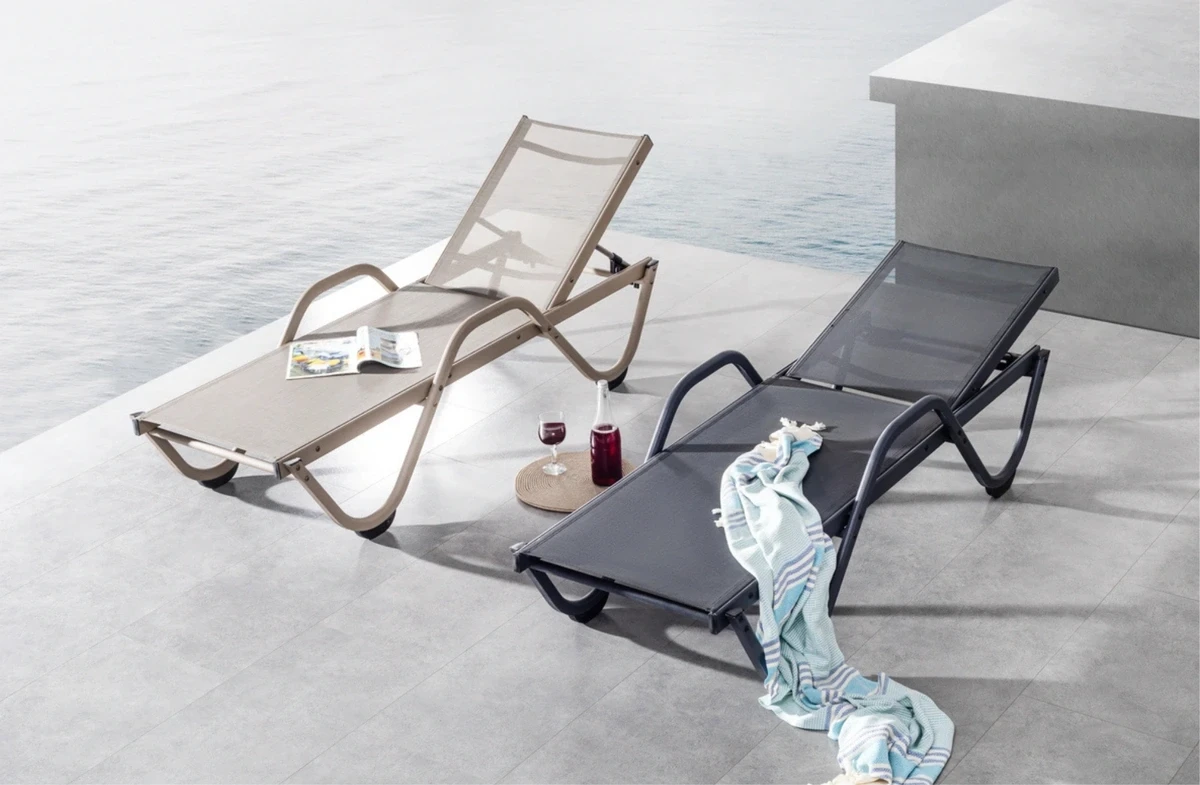
When relaxation is the main priority, selecting individual furniture pieces instead of a complete set allows for a more flexible arrangement. In areas with sufficient length, sun lounger options make it easy to alternate between sitting and reclining.
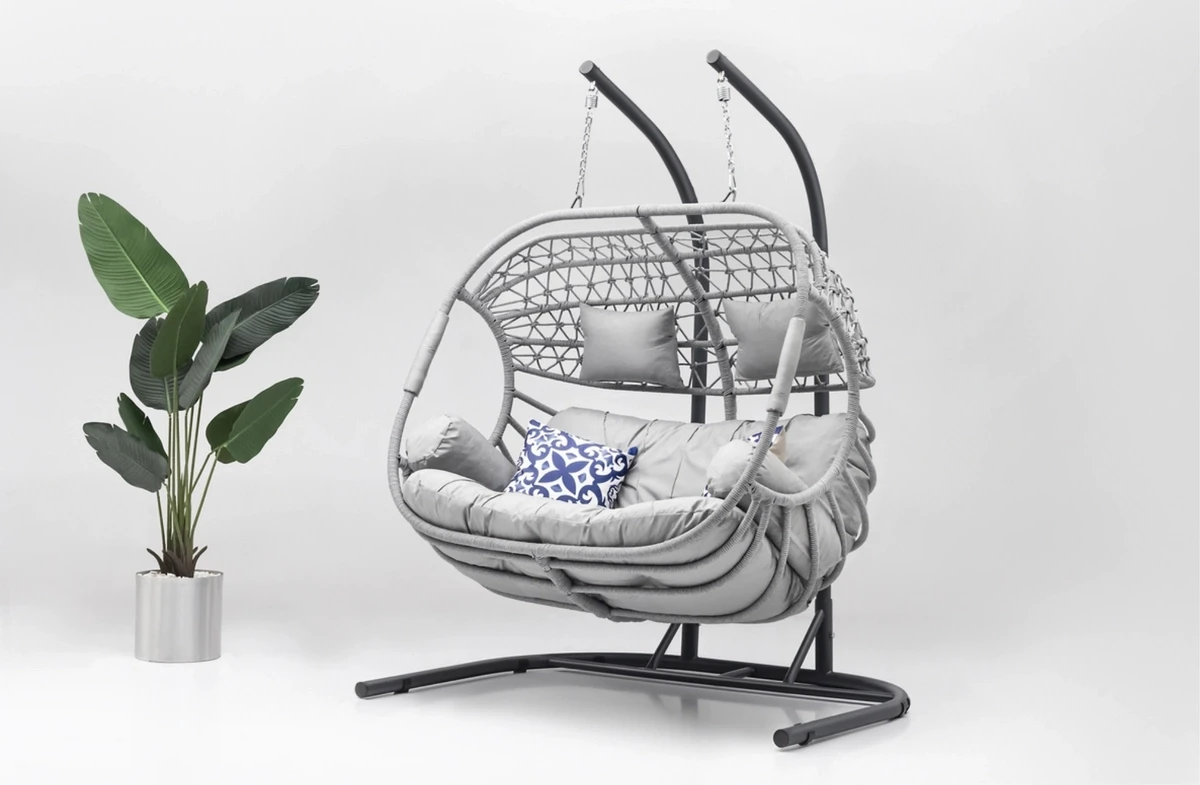
Garden swing models can also create a relaxing seating area with gentle movement. For freestanding models, the floor space occupied by the base must be considered, while suspended options require verification of the load-bearing capacity of their supporting connections. Additional clearance is necessary around the swing to accommodate its movement.
What Should You Check Before Buying?
A furniture set that appears compact in a photograph may occupy more space than expected on an actual balcony. Before making a decision, it is important to examine the frame, textiles, and connection details in addition to the overall dimensions.
Overall external width of the seating
Actual seat depth and seat height
Floor space occupied by the dining table or coffee table
Frame material and surface coating
Welds and connection points
Material of the fasteners
UV resistance and water repellency of cushion fabrics
Availability of removable cushion covers
Drying time of cushion filling
Opening direction of glass panels and balcony doors
Distance chairs can slide under the table
Total weight of the furniture
How Do Maintenance Requirements Differ by Material?
The absence of direct rainfall does not eliminate the need for balcony furniture maintenance. Dust, UV radiation, and condensation gradually affect surfaces over time. Rather than following a fixed maintenance schedule, it is more effective to monitor changes in the materials.
Harsh abrasives and aggressive chemicals can damage the coating on aluminum surfaces. Cleaning with a neutral detergent and a soft cloth is generally sufficient. Occasionally inspecting screws and connection points helps identify looseness or coating damage at an early stage.
When iroko wood begins to change color, outdoor wood oil can be applied. The wood must be clean and dry before treatment. During extended periods of non-use, storing cushions in a dry, well-ventilated area helps reduce moisture-related odors and slow-drying problems.
On south- and west-facing balconies exposed to intense sunlight, very dark cushions may absorb more heat. Signs such as dulling wood surfaces, loose connections, or reduced water repellency in fabrics indicate that maintenance may be needed.
How to Choose the Right Balcony Furniture Set
The decision can be narrowed down by asking three questions: How much space does the furniture actually occupy during use? How much sunlight and moisture is the balcony exposed to? How frequently will the furniture need to be moved?
The answers largely determine the most suitable materials and furniture types.
In narrow spaces where the layout is frequently changed, lightweight aluminum frames offer greater convenience. For permanent arrangements, outdoor-suitable wood species such as iroko can be considered. Once the main purpose of the balcony—dining, relaxing, or socializing—is clear, choosing between a dining set, midi seating set, corner sofa set, sun lounger, or swing becomes easier.
The goal is not to fit as many furniture pieces as possible into the available space, but to achieve a balance between comfortable seating and sufficient room for movement.
Frequently Asked Questions About Furniture Sets for Enclosed and Glass-Enclosed Balconies
Which balcony furniture set is best for a glass-enclosed balcony?
Midi seating sets with compact external dimensions and lightweight frames are generally easier to accommodate on small and medium-sized balconies. For larger layouts, corner seating sets or dining sets may be suitable. However, the opening paths of the glass panels and the required walkway clearance must be considered alongside the furniture dimensions.
Can outdoor furniture be used on a glass-enclosed balcony?
Yes. Although glass enclosures provide substantial protection against direct rainfall, UV exposure, temperature fluctuations, and seasonal humidity remain relevant factors. Aluminum frames, outdoor fabrics, and suitable wood species are better equipped to handle these conditions.
Is a dining set or a seating set more practical for a small balcony?
For balconies used regularly for meals, a compact table and chair set generally makes more efficient use of the available floor space. For spaces primarily intended for relaxation and conversation, midi seating sets with shallow seats may occupy less room.
Is glass-enclosed balcony furniture affected by sunlight?
Yes. Although glass panels protect against precipitation, they do not completely eliminate UV exposure or prevent temperatures from rising inside the enclosed space. The UV resistance of the fabric, the outdoor performance of the coating system, and the maintenance requirements of wooden components should all be considered when selecting furniture.
Should I choose aluminum or iroko wood for an enclosed balcony?
Aluminum is generally the more practical choice for frequently moved furniture and users seeking minimal maintenance. Iroko is a suitable option for those who prefer the appearance of natural wood, provided that potential color changes and periodic oil treatments are taken into account.


-
 Turn Your Balcony into a Winter Garden with Garden Furniture: Step by Step Guide
06 October 2026 -
 Features of Iroko Groups in Wooden Garden and Balcony Furniture
06 October 2026 -
 What is Aluminum Garden and Balcony Furniture?
06 October 2026 -
 What is Rope Knitted Garden Furniture?
06 October 2026 -
 Outdoor Lighting and Furniture: How to Create the Right Balance
06 October 2026 -
 Outdoor Furniture Cleaning Guide: How to Keep It Looking Like New
06 October 2026 -
 Outdoor Seating Layout Guide for Large Terraces
06 October 2026 -
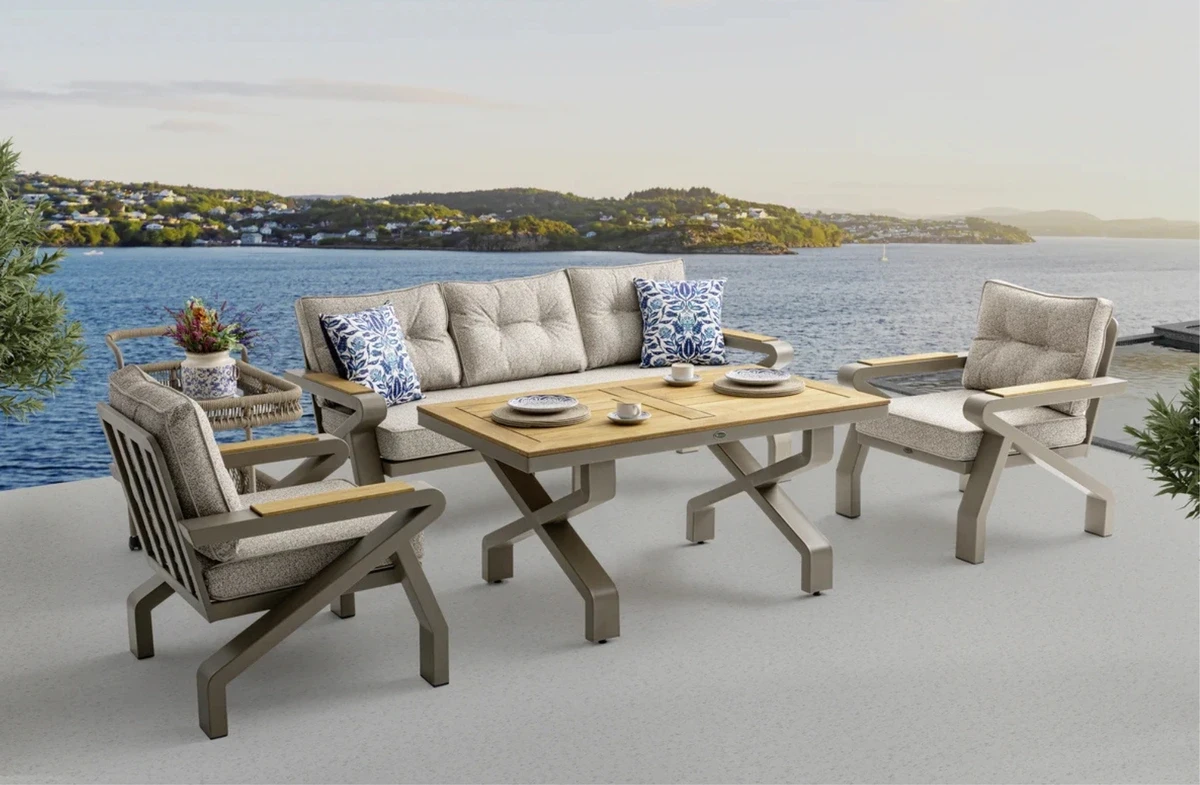 Why Is Aluminum Preferred for Outdoor Furniture?
06 October 2026 -
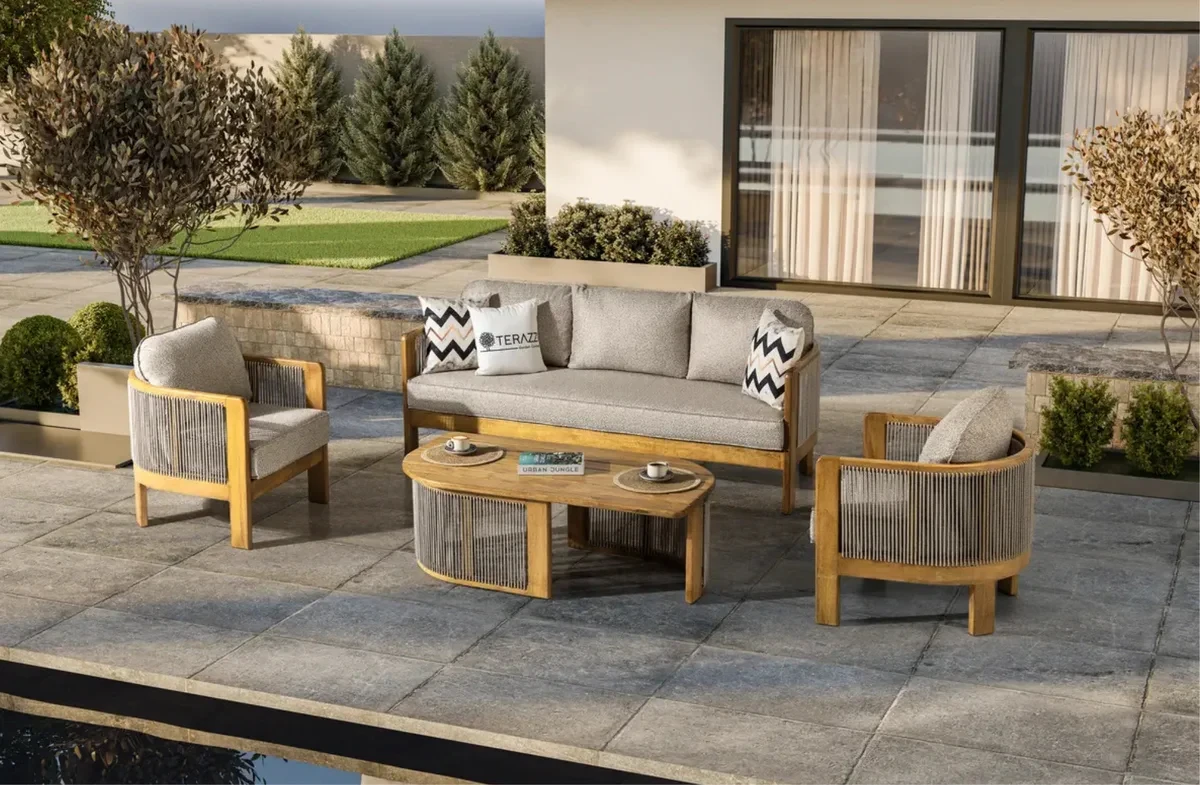 Villa Garden Decoration Ideas and 2026 Design Trends
06 October 2026 -
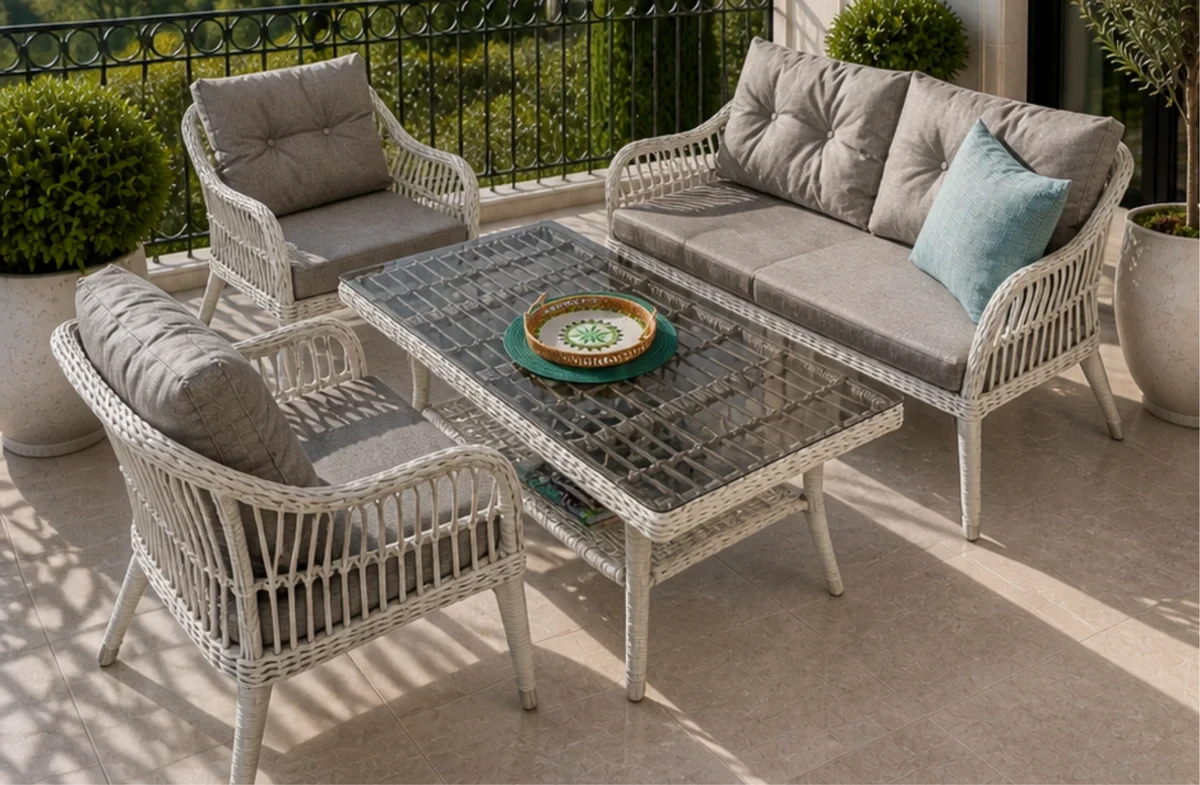 Choosing Outdoor Furniture for Hotels and Restaurants
06 October 2026 -
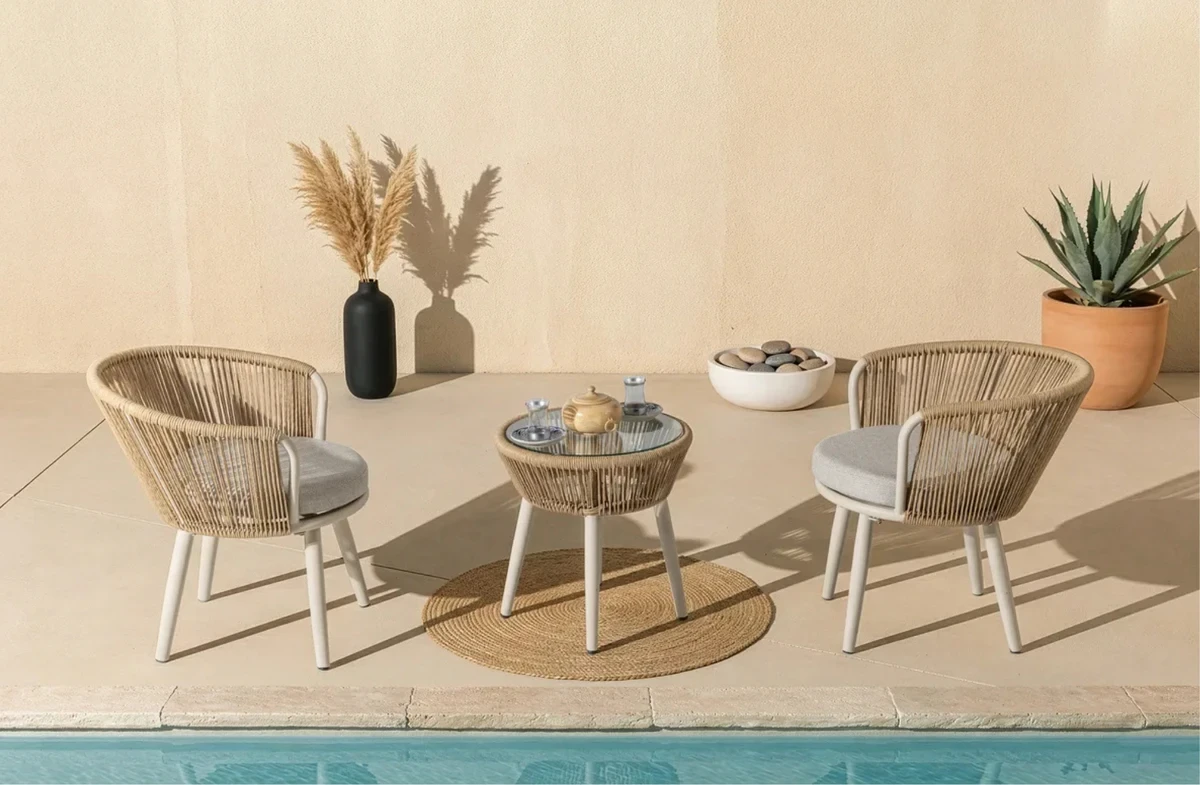 Decorating Ideas for Small Balconies: A Guide to Measurements, Materials, and Placementi
06 October 2026 -
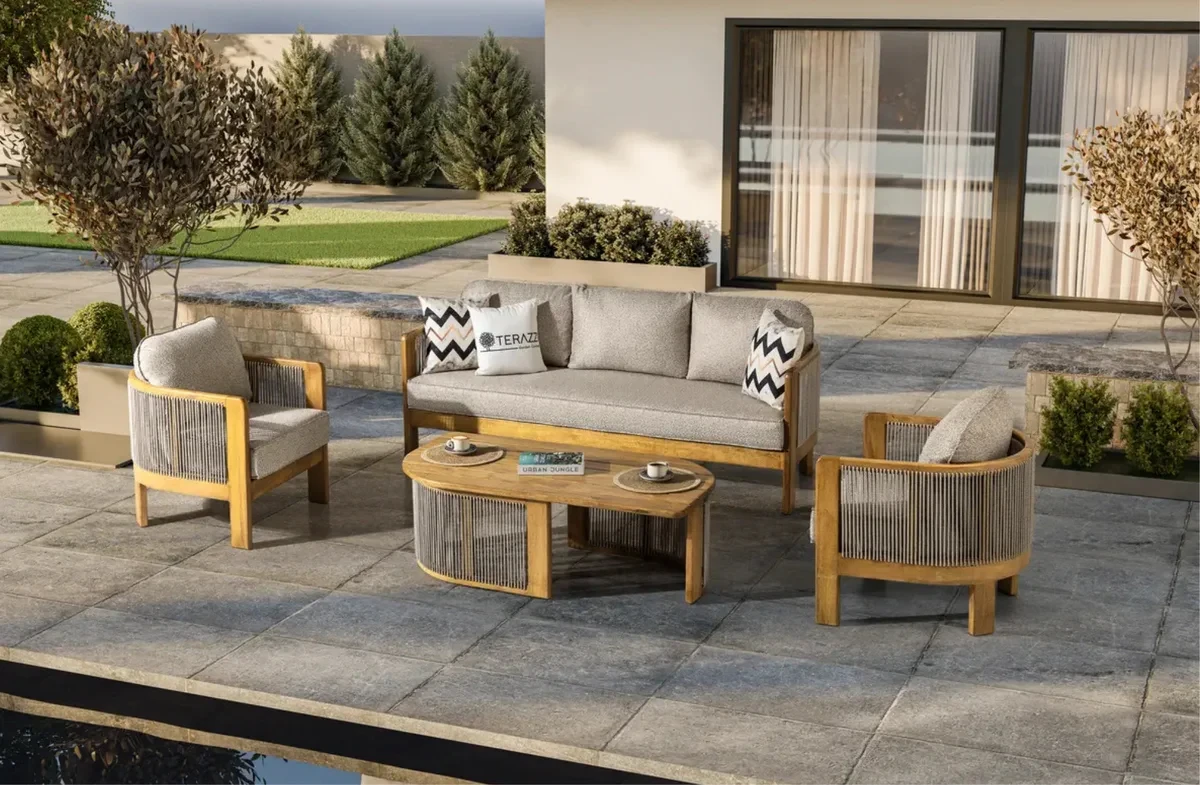 Differences Between Iroko and Teak Wood: Which is More Sensible for Garden Furniture?
06 October 2026 -
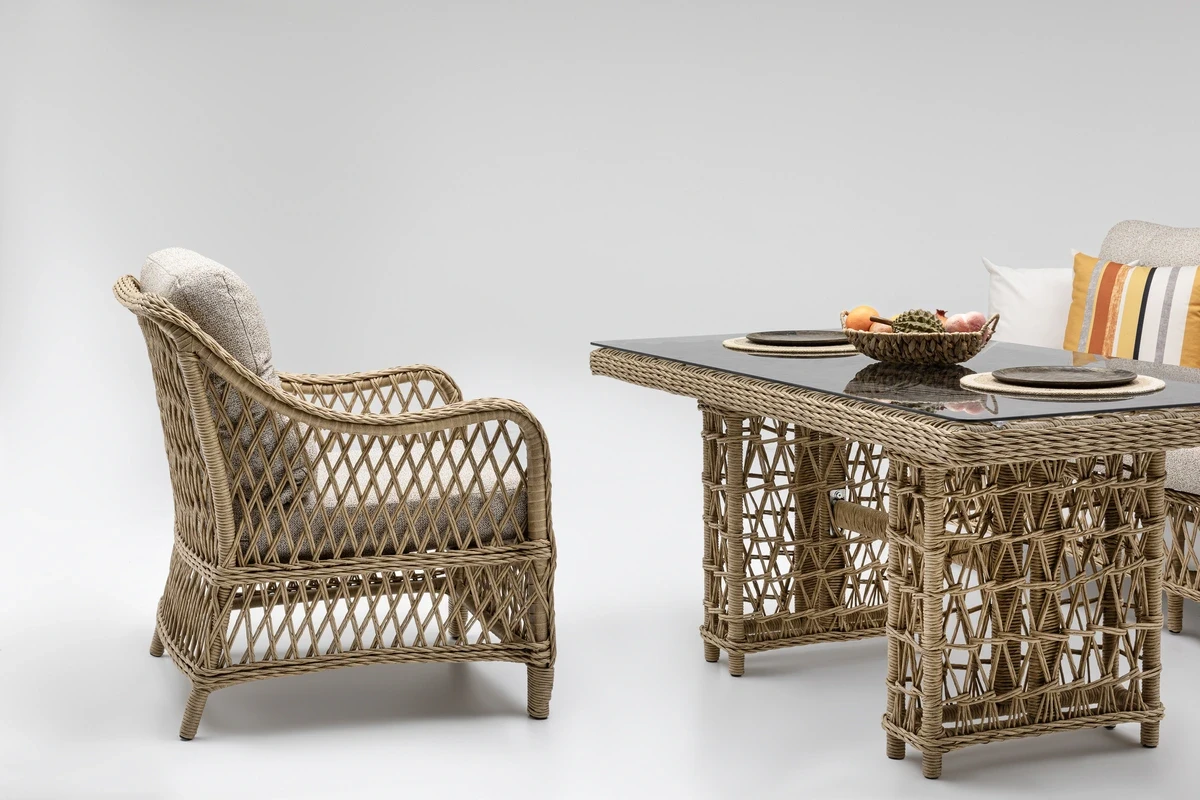 What is the difference between rattan and bamboo furniture?
06 October 2026 -
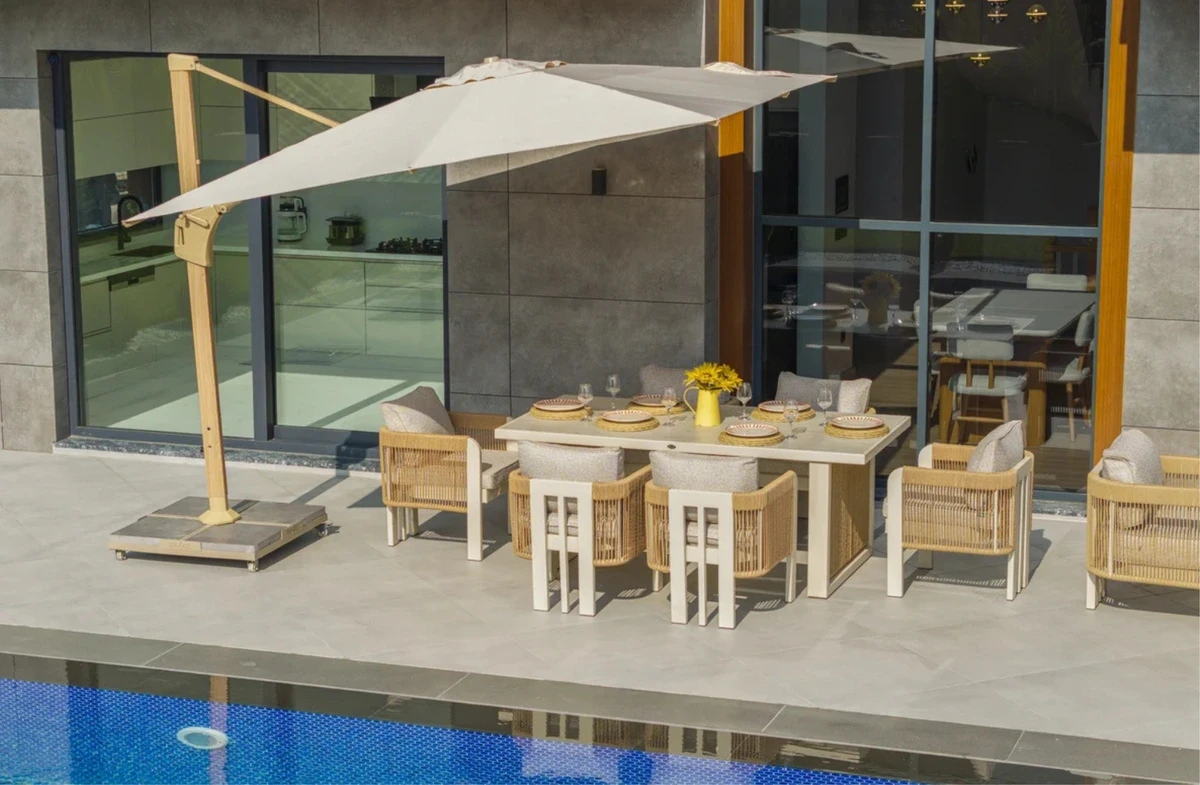 What should you pay attention to when choosing a garden or balcony umbrella?
06 October 2026 -
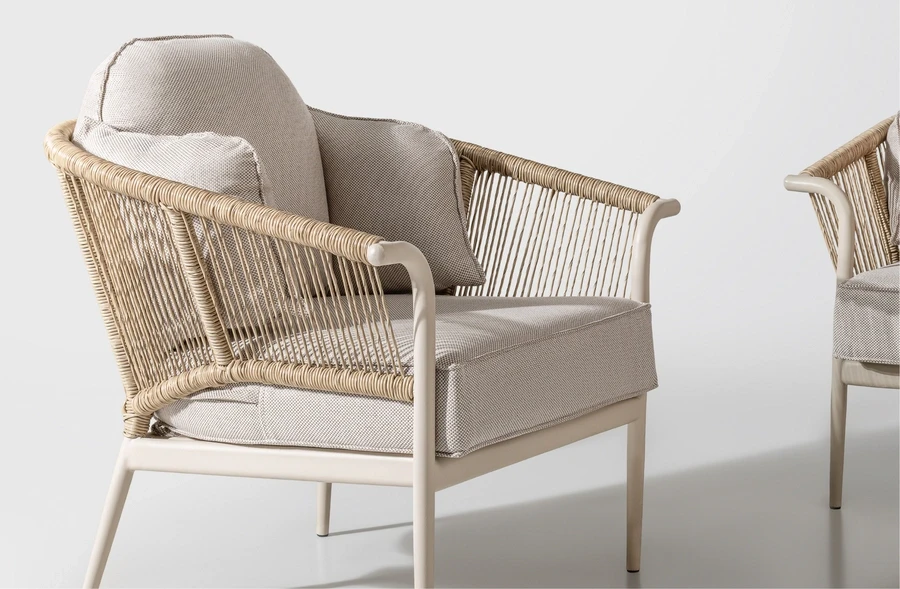 Cushion and Fabric Choices for Outdoor Furniture: Waterproof, Durable, and Comfortable Options!
06 October 2026 -
 Sun Loungers and Sunbeds: A Comfortable Guide for Poolside Use
06 October 2026 -
 Outdoor Dining Table Dimensions: How Much Space Do You Need?
06 October 2026 -
 2026's Popular Garden Furniture Collections
06 October 2026 -
 Which Garden Furniture Can Stay Outside All Year Round?
06 October 2026 -
 Garden Furniture Color Selection: How to Create an Outdoor Palette?
06 October 2026 -
 Terazzi Garden Furniture in the TV Series “Muhtemel Aşk”
06 October 2026 -
 Garden Furniture Trends: Sustainable Materials and Recyclable Designs
06 October 2026 -
 Ways to Use Your Garden and Terrace for Longer in Autumn
06 October 2026 -
 Terazzi Garden Furniture Steals the Spotlight in the TV Series Teşkilat!
06 October 2026 -
 Choosing Outdoor Furniture for Residential Complexes and Shared Residence Areas
06 October 2026