













Outdoor Lighting and Furniture: How to Create the Right Balance
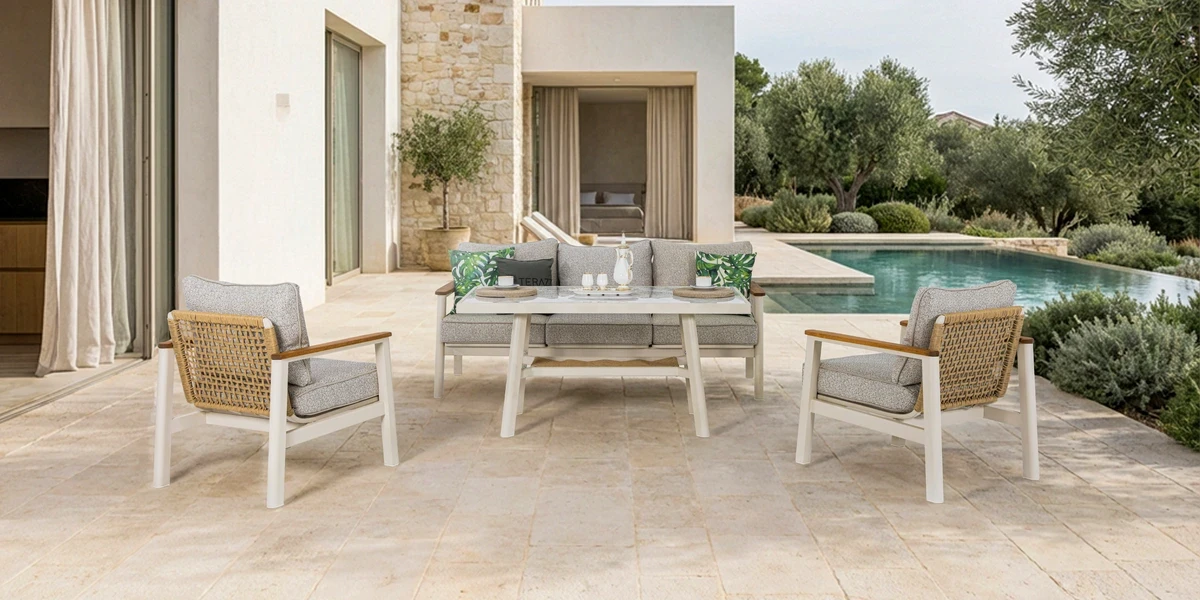
An outdoor lighting system plays an important role in determining how outdoor furniture is perceived during the evening. Elements of outdoor décor, such as outdoor furniture sets, sun loungers, and balcony furniture, can appear different depending on the angle, distribution, and color temperature of the light.
Under a poorly planned lighting setup, the same terrace arrangement may appear harsh and fragmented. When the lighting system is properly designed, however, the space can look more cohesive and visually balanced. For this reason, while lighting should be planned as a system of its own, outdoor furniture should also be selected with that lighting plan in mind.
How Does Lighting Affect the Use of Outdoor Spaces?
The level and distribution of lighting used outdoors directly affect how an area functions for relaxation, dining, or circulation. If every part of the space is illuminated at the same intensity, the distinction between different functional zones becomes less noticeable.
A common lighting approach is:
- Relaxation areas: low-level, soft lighting
- Seating areas: evenly distributed ambient lighting
- Dining areas: brighter, controlled, focused lighting
- Walkways and circulation areas: clear, directional lighting
Direct overhead lighting around outdoor seating sets can create uneven illumination across cushions and upholstery. Lighting from the side or at an angle, on the other hand, can provide a more balanced appearance across furniture surfaces. The key factor is therefore not simply how much light is used, but the direction and angle from which it reaches the furniture.
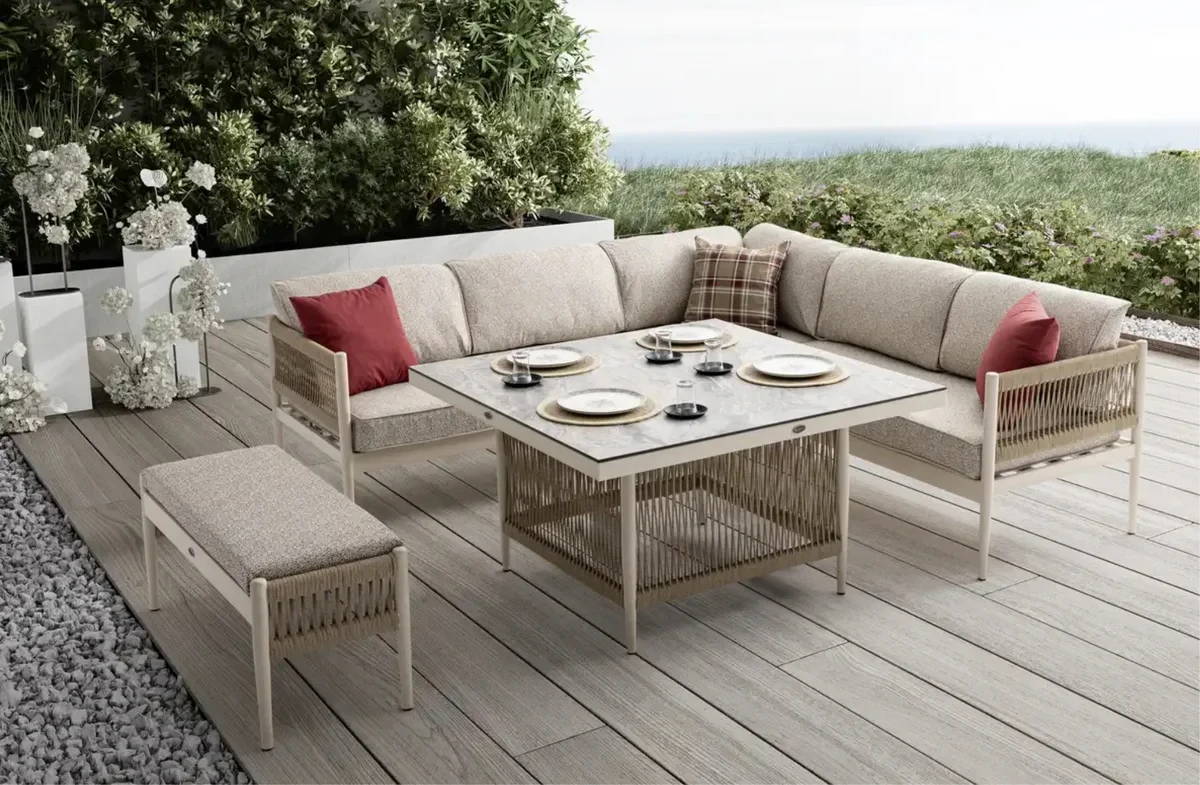
In spaces containing products such as balcony furniture, high-intensity lighting can make the area feel smaller and visually more crowded. By contrast, wide-angle, lower-intensity lighting can create a more balanced and spacious effect.
Choosing Lighting According to Furniture Material
Different outdoor furniture surfaces interact with light in different ways. Material characteristics should therefore be considered when planning an outdoor lighting system.
- Aluminum surfaces reflect light and can create noticeable contrast. This effect becomes more pronounced under cool-toned lighting, so warm-toned and indirect lighting is generally preferable when a softer appearance is desired.
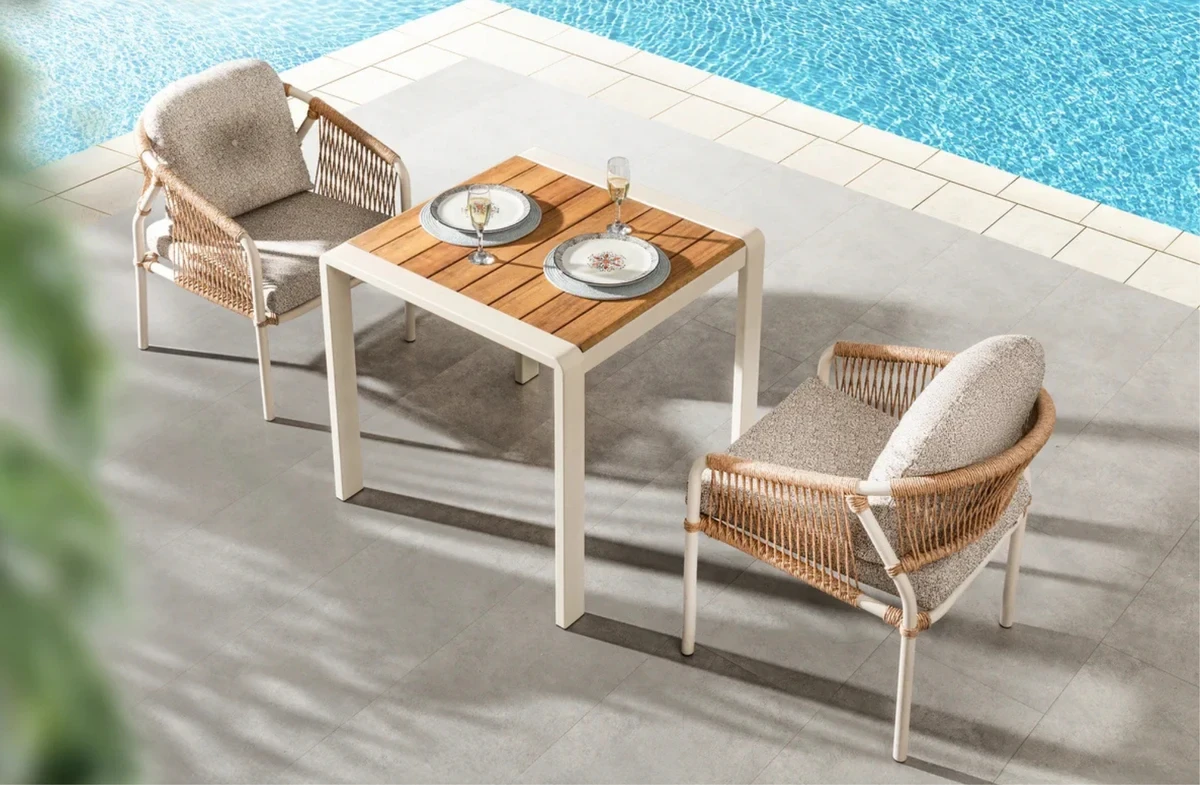
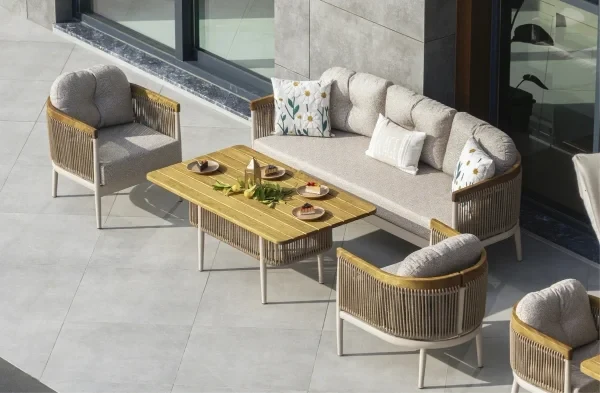
- For natural wood surfaces, warm lighting can highlight the grain pattern and enhance the texture, particularly in areas featuring outdoor dining sets.
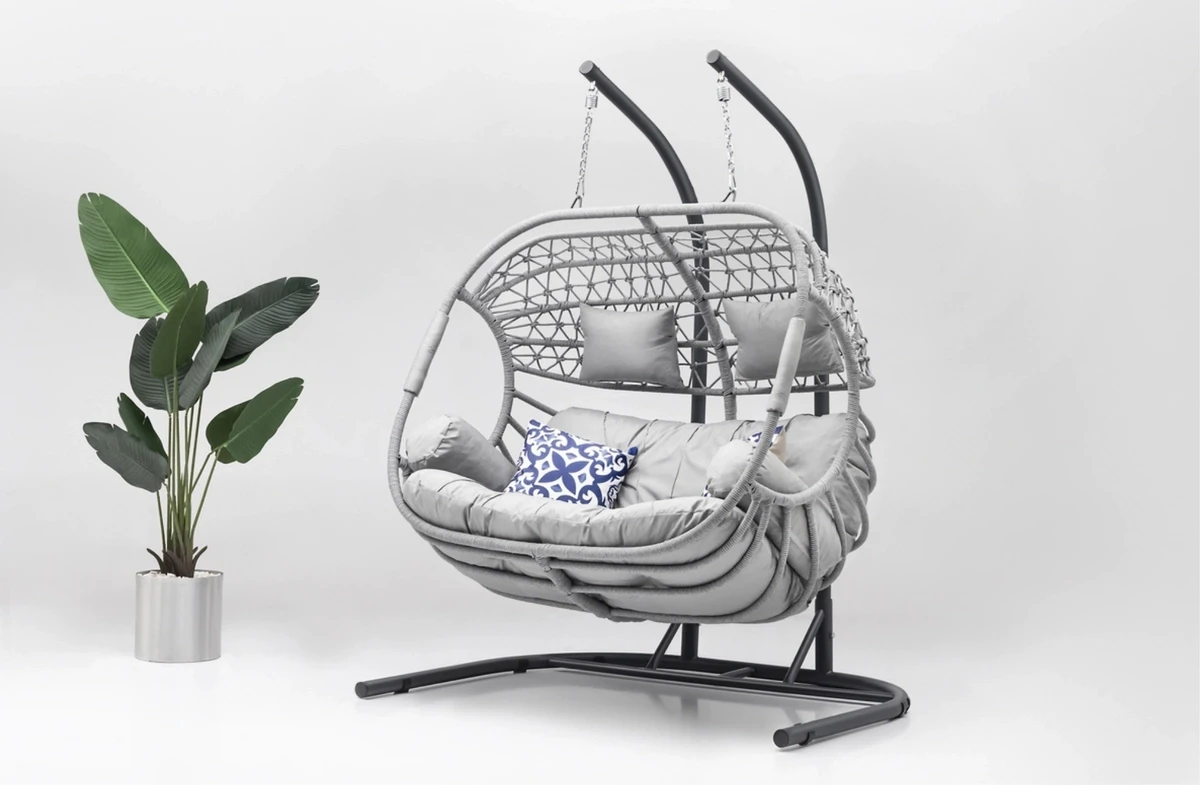
- Overhead lighting on rope-woven and textured surfaces can create irregular shadows that make the surface pattern less visible. Side lighting can reveal the texture more clearly and may provide a more relaxed appearance around products such as sun loungers and outdoor swings.
- Lighting textile surfaces requires particular attention. Lighting with a low Color Rendering Index (CRI) can distort the perceived colors of cushions and fabrics.
Light Distribution in Terrace and Garden Areas
When illuminating a terrace, using light sources at different heights instead of relying on a single light source can provide more balanced light distribution. One-sided lighting increases shadow contrast and may make the overall environment appear harsher.
Recommended lighting approaches according to the function of the area include:
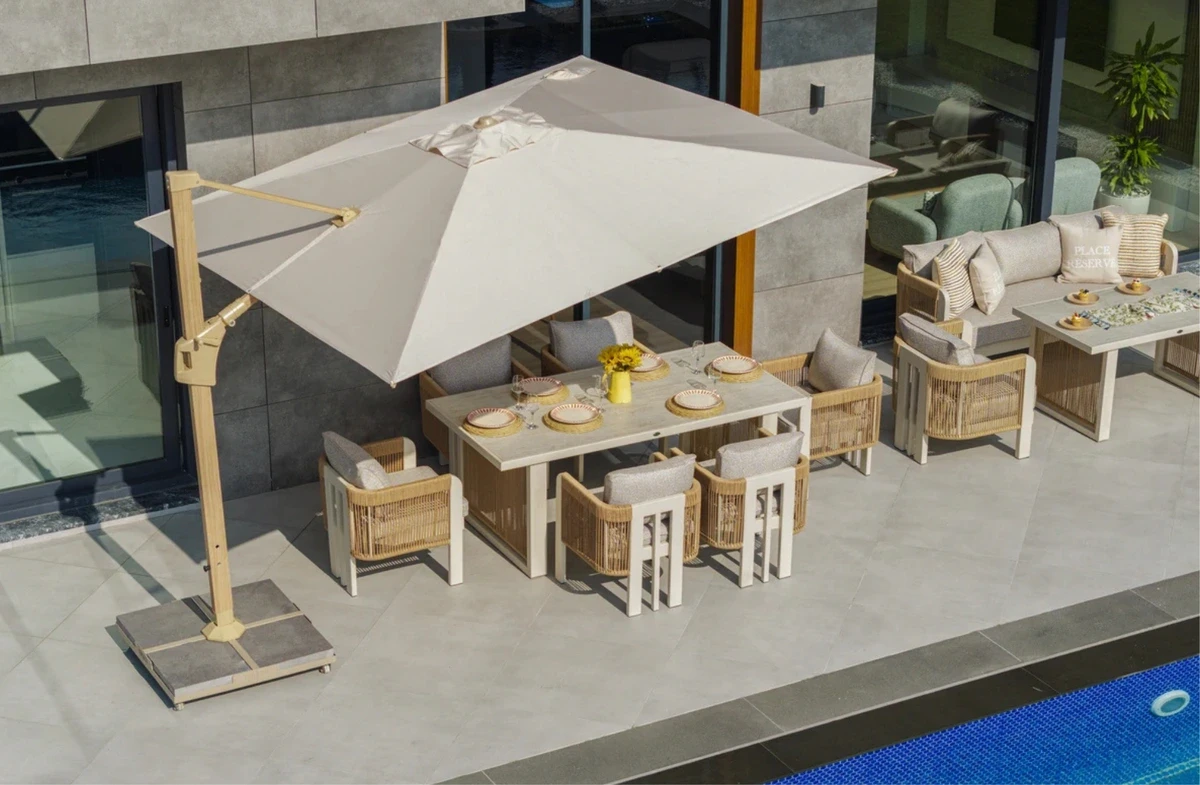
- Outdoor dining sets → Surface-focused lighting
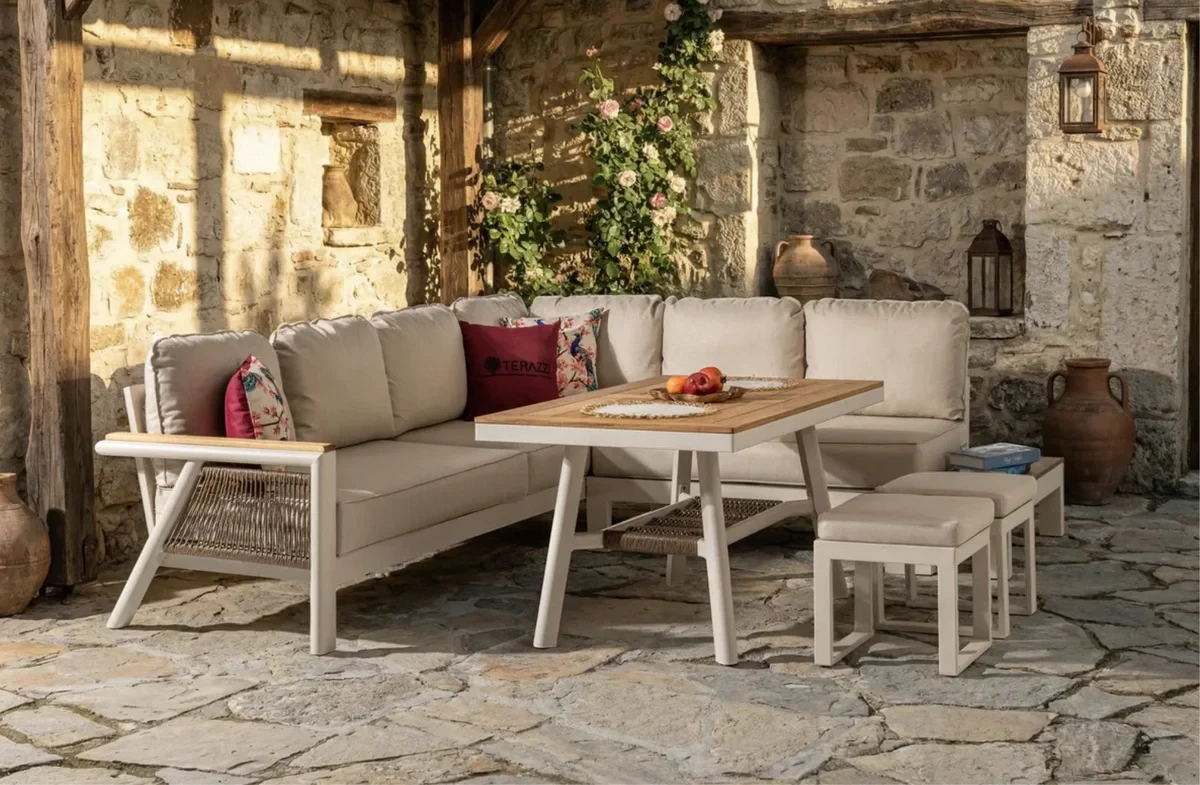
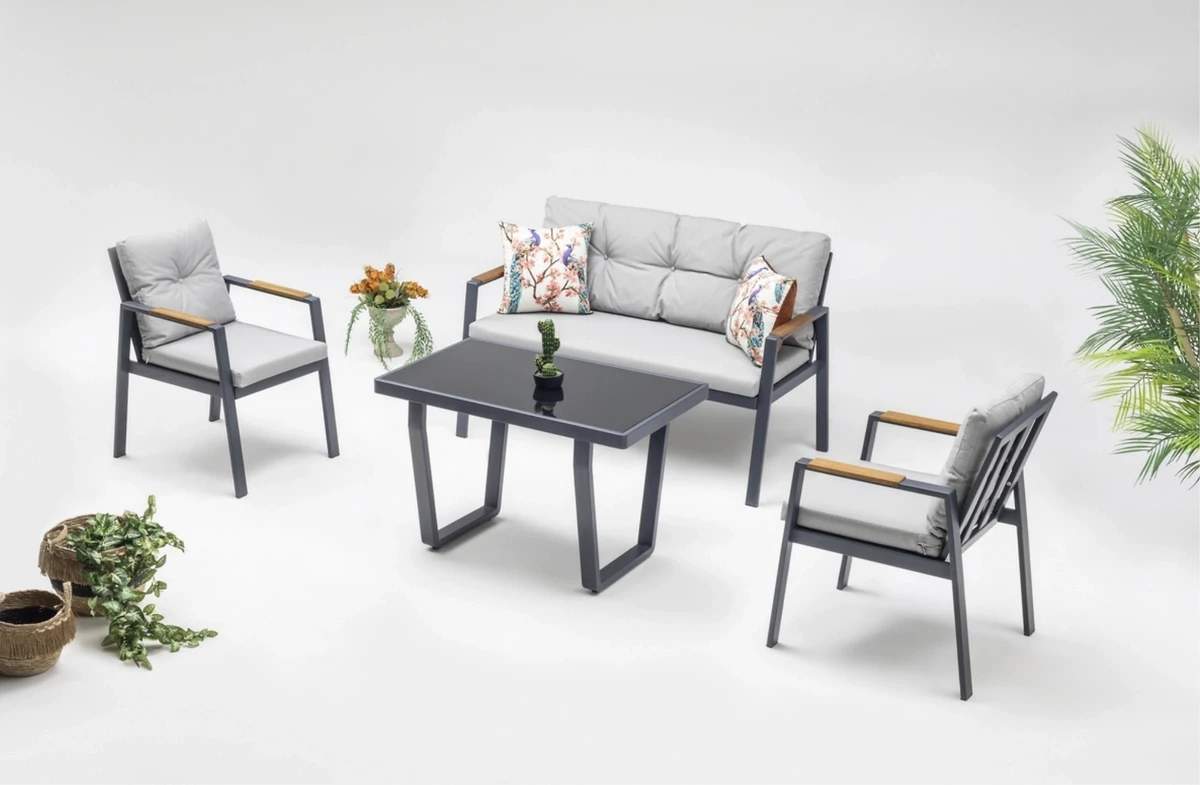
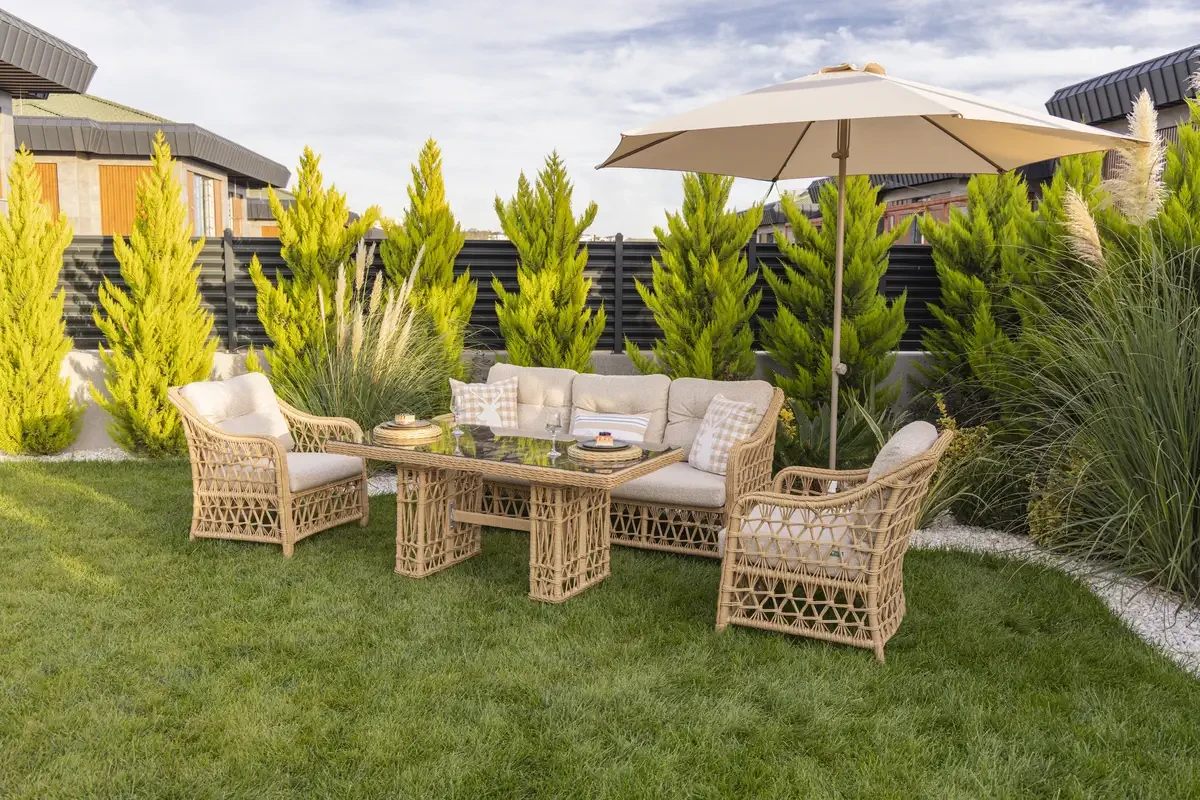
- Outdoor seating sets → Ambient and indirect lighting
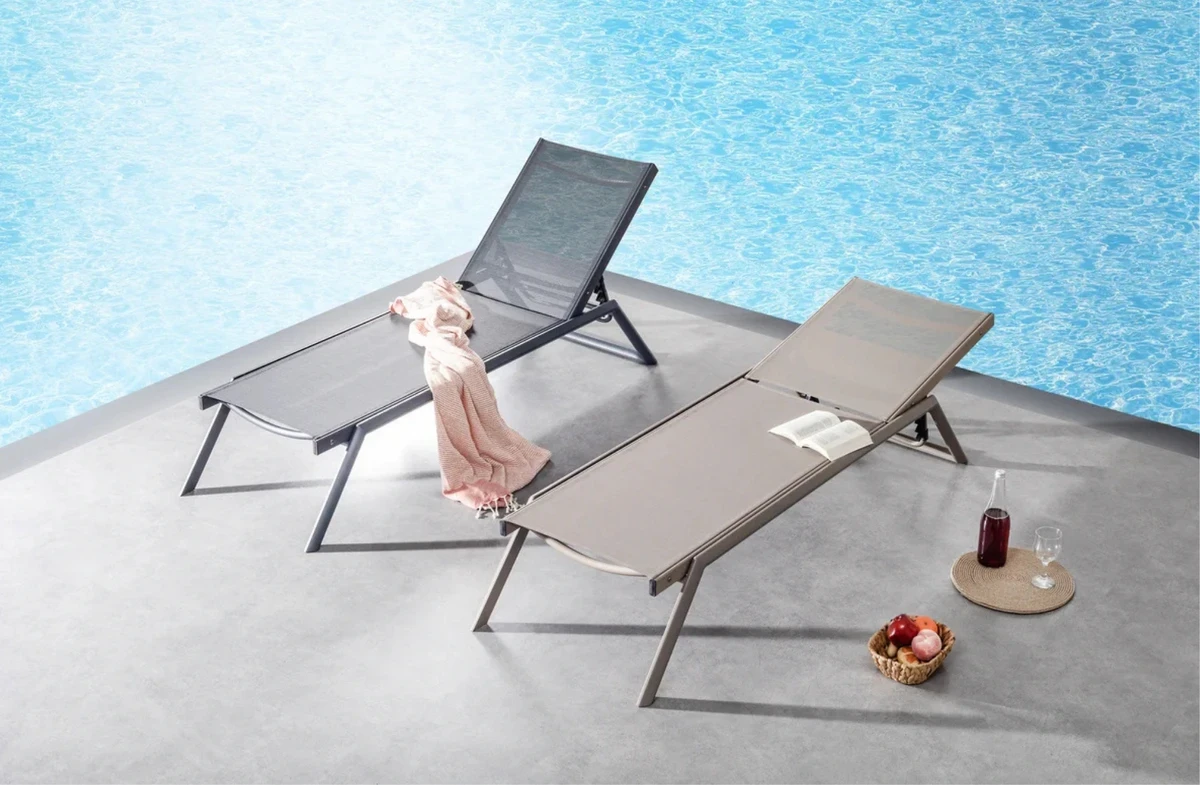
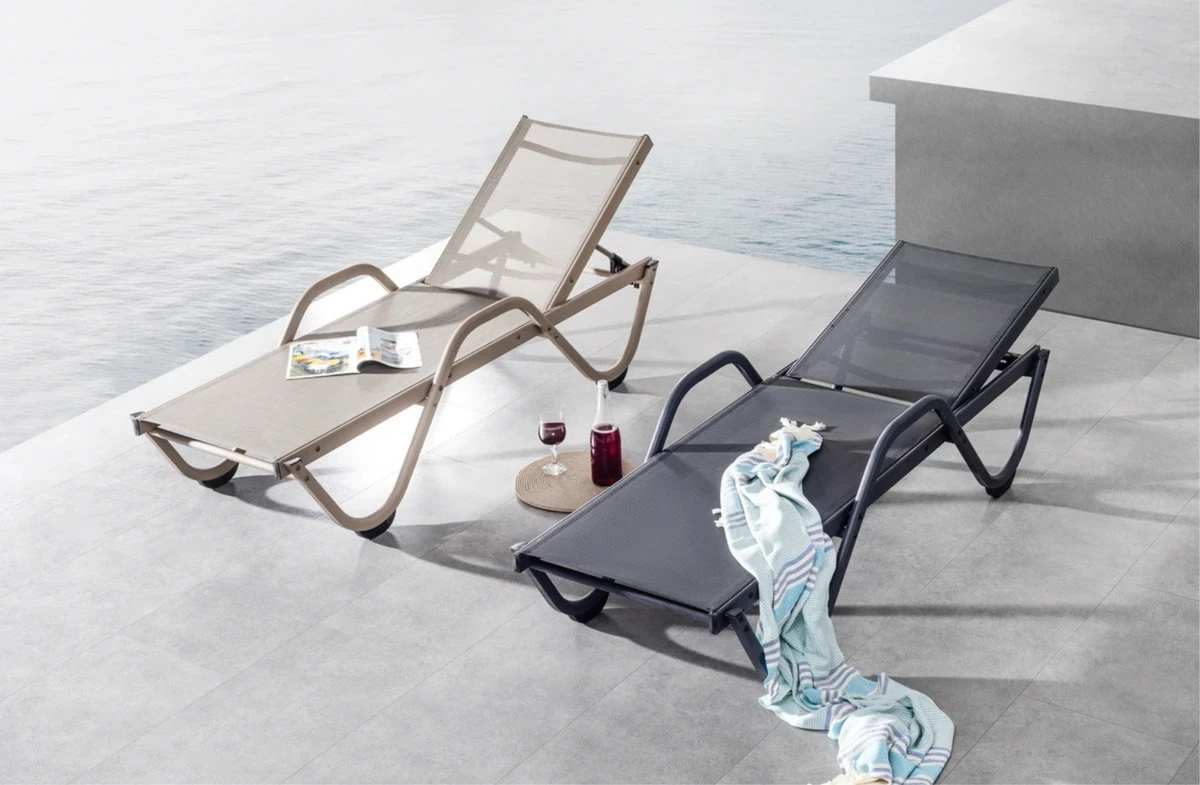
- Sun loungers → Low-level lighting positioned below eye level
- Outdoor swings → Glare-free side lighting
This approach prevents excessive direct light from falling onto the furniture and allows surfaces, textures, and colors to be perceived more naturally.
How to Choose Furniture That Works with Outdoor Lighting
Furniture purchasing decisions should take the outdoor lighting plan into consideration. Surface form, color, and material characteristics should all be evaluated together with the lighting conditions.
Consider the following steps when choosing outdoor furniture:
- Determine the purpose of the space.
- Identify the furniture surface and material.
- Determine the direction and distribution of the light.
- Choose the light color temperature (generally 2700K–3000K is preferred).
- Select products suitable for outdoor conditions.
Recommendations according to furniture type include:
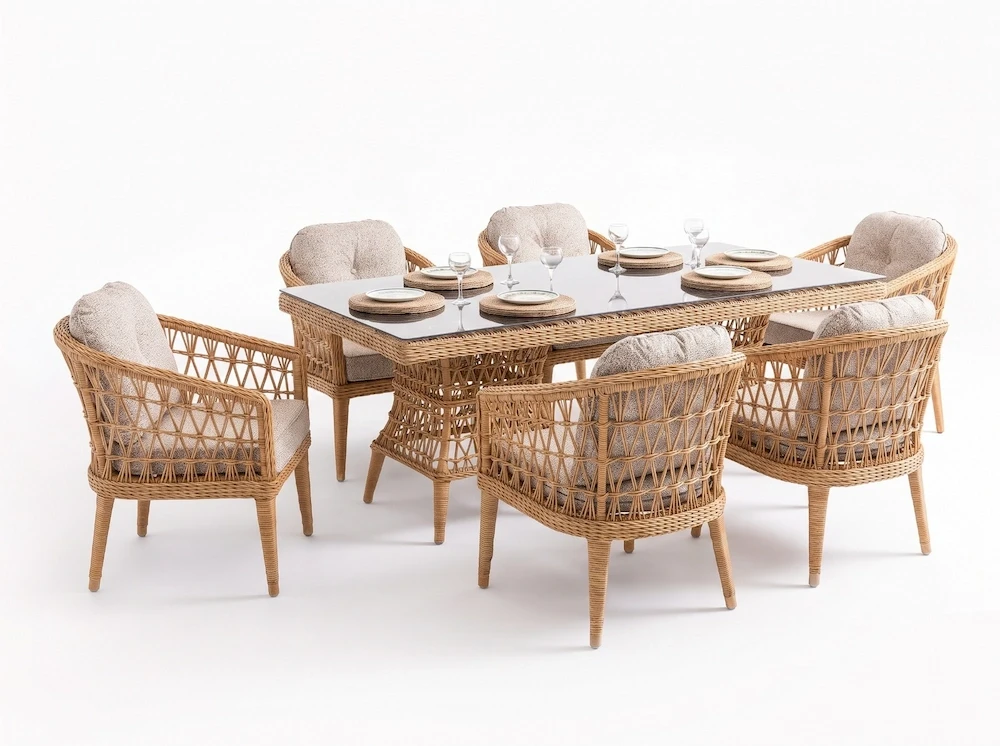
- Outdoor chair sets: Diffused lighting creates a more balanced appearance.
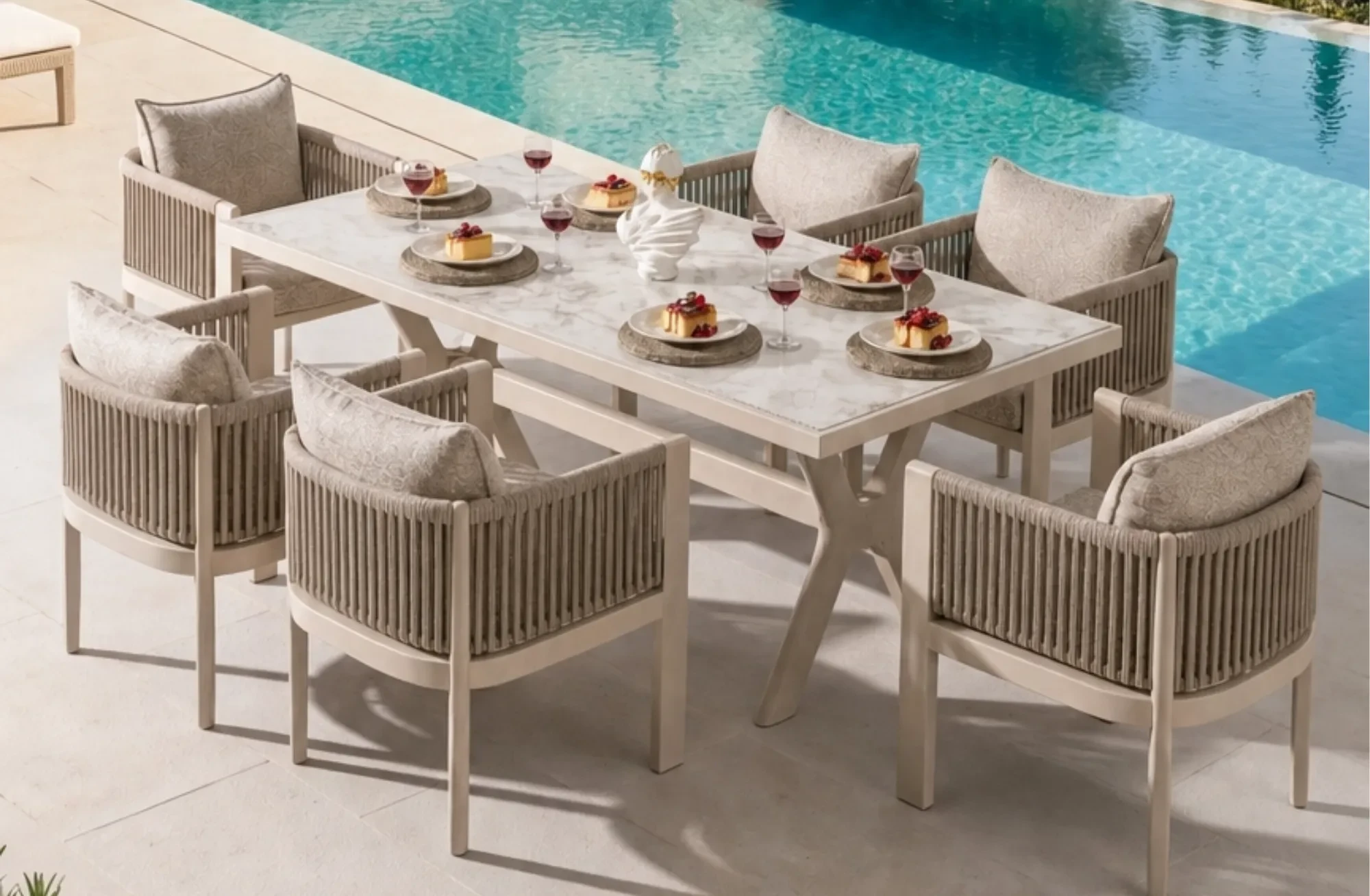
- Outdoor dining sets: Focused lighting improves visibility around the table.
- Sunbathing furniture: Lower light levels can improve relaxation and comfort.
- Outdoor swings: More comfortable to use when the light source is positioned away from eye level.
Terazzi outdoor furniture can create a more refined appearance when combined with an appropriate lighting plan. Surface textures become more visible, color transitions can be perceived more accurately, and functional areas become easier to distinguish.
How Can I Maintain the Performance of Outdoor Lighting Systems?
The performance of outdoor lighting systems may change over time, primarily due to environmental conditions.
Dirt accumulation on lighting fixtures can cause uneven light distribution. If outdoor furniture is not maintained regularly, wooden surfaces may change in tone and affect the overall appearance of the space. Similarly, particles accumulating on metal surfaces can alter how they reflect light.
For more consistent performance:
- Lighting components should be cleaned regularly.
- Lighting angles should be checked periodically.
- Furniture and surface maintenance should not be neglected.
Improving Outdoor Furniture Performance with a Lighting Plan
Outdoor décor and furniture arrangements are significantly influenced by outdoor lighting. By selecting the right lighting solutions, products such as outdoor chair sets, sun loungers, and outdoor dining sets become easier to see and evaluate, while the overall space achieves a more balanced appearance.
Particularly in terrace design, planning the lighting and furniture together can make the space more effective both visually and functionally. Terazzi outdoor furniture collections are also designed to work effectively with different outdoor lighting scenarios.
Frequently Asked Questions About Outdoor Lighting and Furniture
Why should outdoor lighting be planned at different levels?
Different functional areas have different lighting requirements. Using the same type and intensity of lighting throughout the entire space can reduce the visual distinction between dining, relaxation, and circulation areas.
Why is low-level lighting recommended around sun loungers?
Lower light levels can improve relaxation and reduce visual discomfort and eye strain, particularly during evening use.
What type of lighting is suitable for balcony furniture?
Wide-angle, low-intensity lighting can help a balcony feel more spacious while providing sufficient illumination for comfortable use.
What should you consider when choosing outdoor lighting products?
Choose lighting products designed for outdoor conditions, with appropriate resistance to water, moisture, and dust.


-
 Turn Your Balcony into a Winter Garden with Garden Furniture: Step by Step Guide
10 April 2026 -
 Features of Iroko Groups in Wooden Garden and Balcony Furniture
10 April 2026 -
 What is Aluminum Garden and Balcony Furniture?
10 April 2026 -
 What is Rope Knitted Garden Furniture?
10 April 2026 -
 Outdoor Furniture Cleaning Guide: How to Keep It Looking Like New
10 April 2026 -
 Outdoor Seating Layout Guide for Large Terraces
10 April 2026 -
 Why Is Aluminum Preferred for Outdoor Furniture?
10 April 2026 -
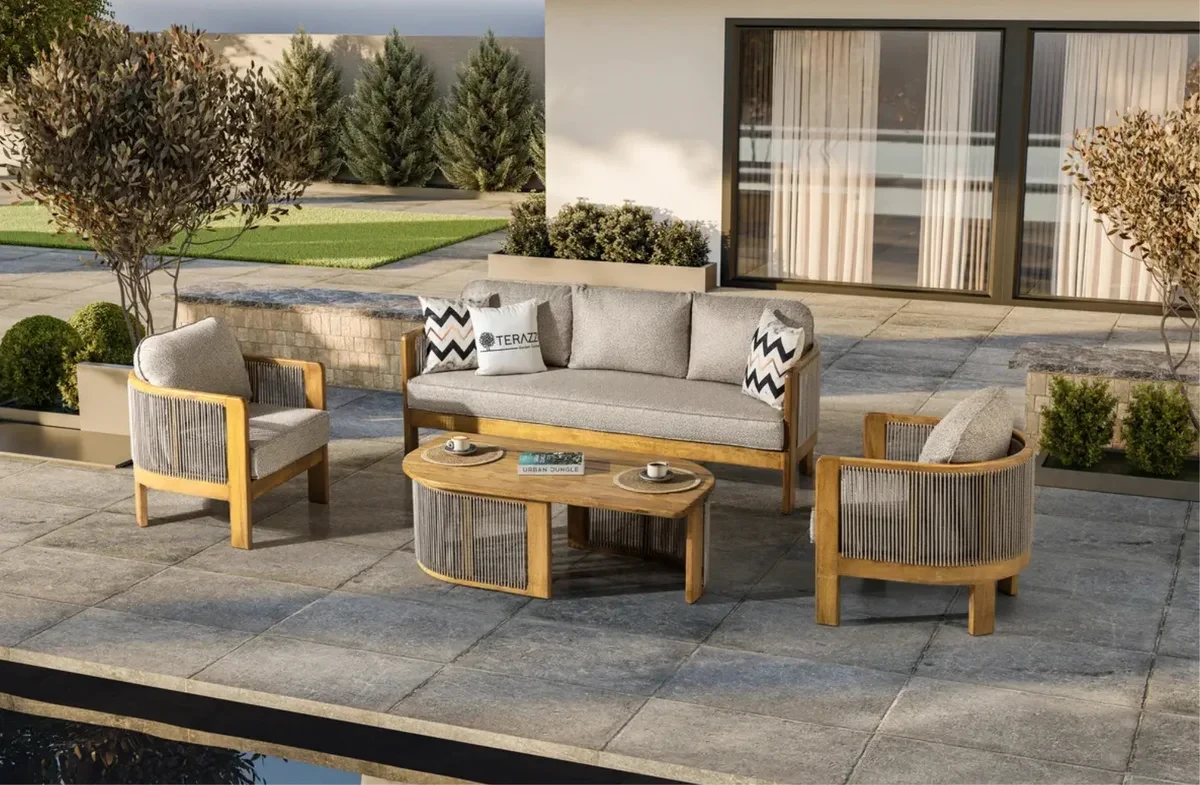 Villa Garden Decoration Ideas and 2026 Design Trends
10 April 2026 -
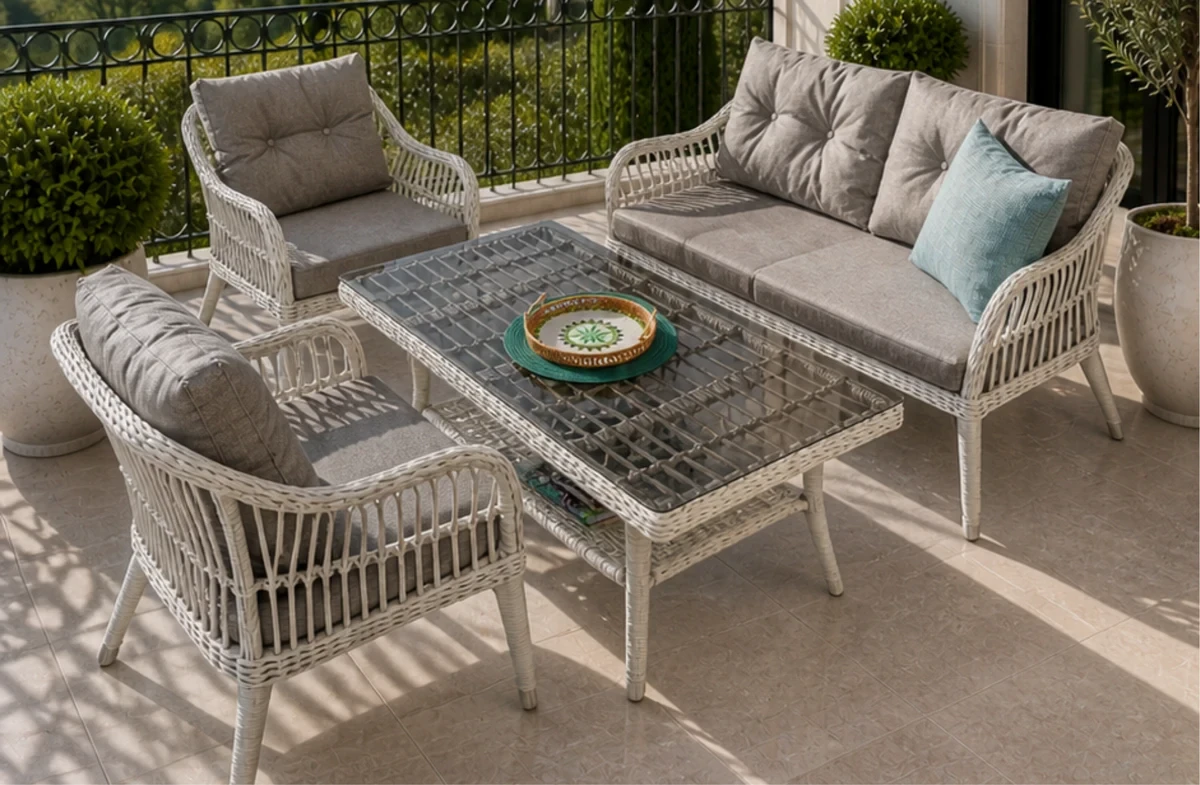 Choosing Outdoor Furniture for Hotels and Restaurants
10 April 2026 -
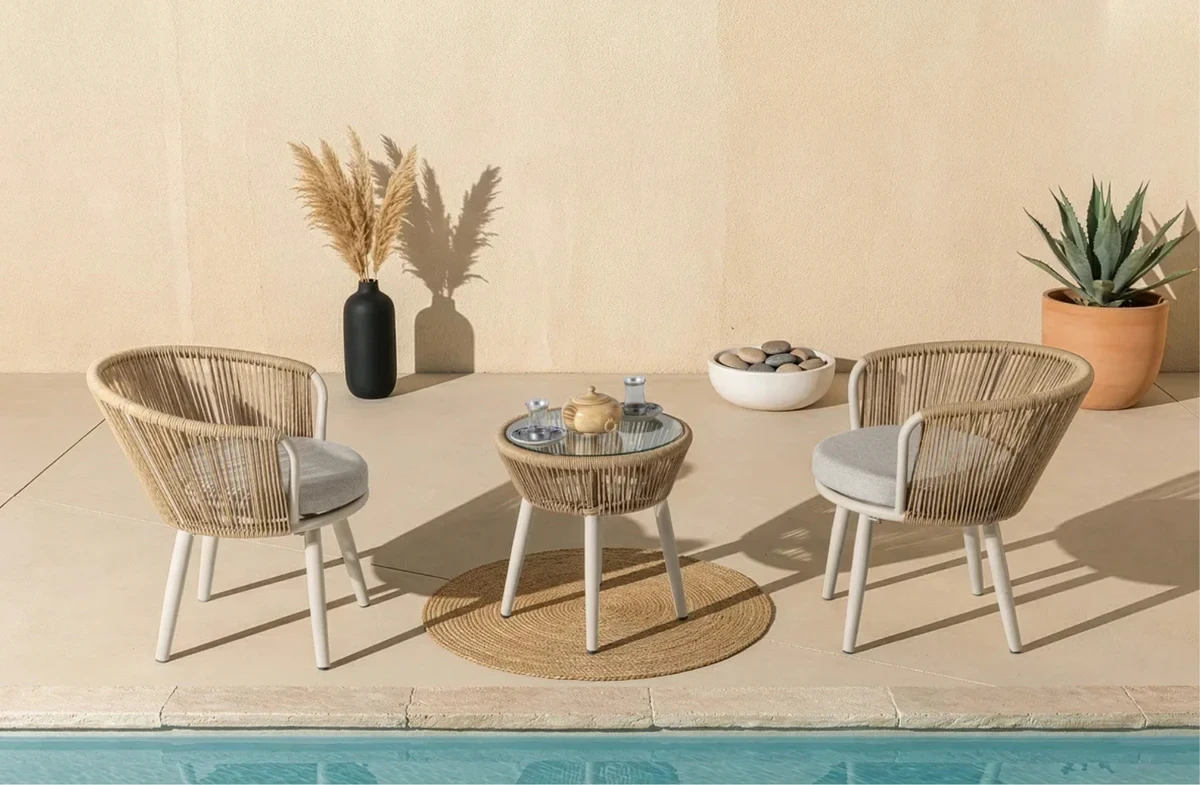 Decorating Ideas for Small Balconies: A Guide to Measurements, Materials, and Placementi
10 April 2026 -
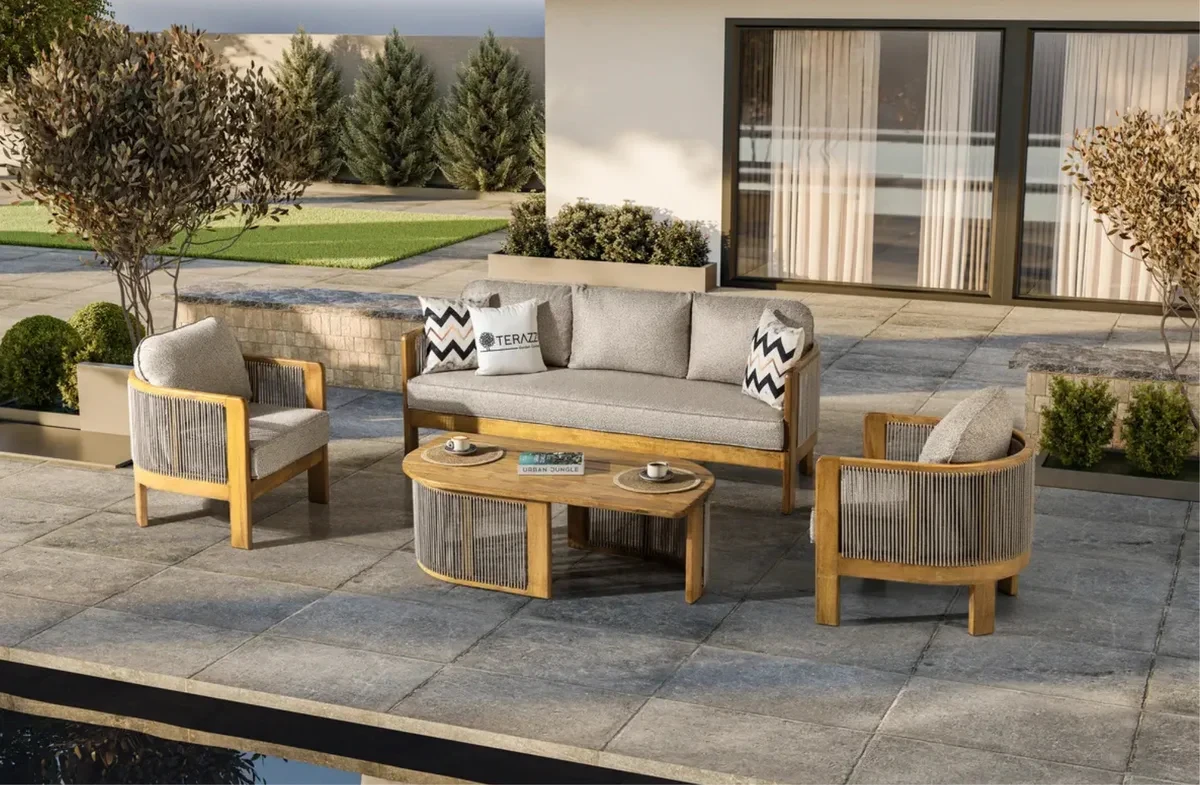 Differences Between Iroko and Teak Wood: Which is More Sensible for Garden Furniture?
10 April 2026 -
 What is the difference between rattan and bamboo furniture?
10 April 2026 -
 What should you pay attention to when choosing a garden or balcony umbrella?
10 April 2026 -
 Cushion and Fabric Choices for Outdoor Furniture: Waterproof, Durable, and Comfortable Options!
10 April 2026 -
 Sun Loungers and Sunbeds: A Comfortable Guide for Poolside Use
10 April 2026 -
 Outdoor Dining Table Dimensions: How Much Space Do You Need?
10 April 2026 -
 2026's Popular Garden Furniture Collections
10 April 2026 -
 Which Garden Furniture Can Stay Outside All Year Round?
10 April 2026 -
 Garden Furniture Color Selection: How to Create an Outdoor Palette?
10 April 2026 -
 Terazzi Garden Furniture in the TV Series “Muhtemel Aşk”
10 April 2026 -
 Garden Furniture Trends: Sustainable Materials and Recyclable Designs
10 April 2026 -
 Ways to Use Your Garden and Terrace for Longer in Autumn
10 April 2026