













What should you pay attention to when choosing a garden or balcony umbrella?
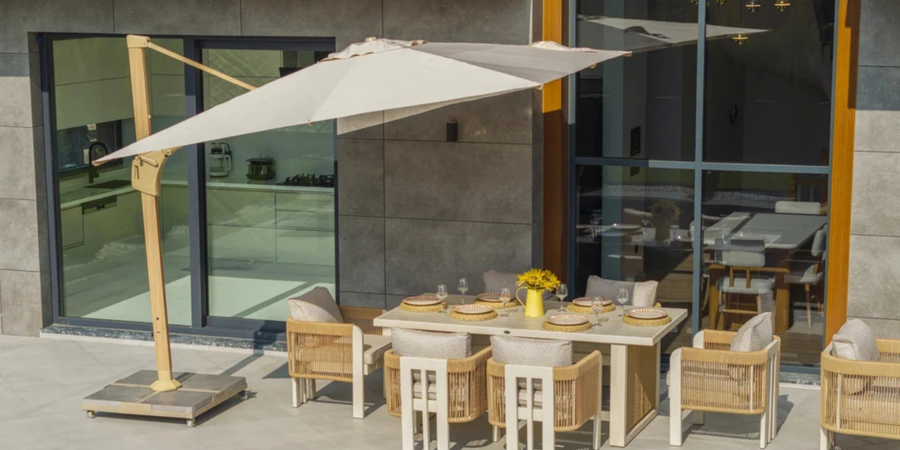
Choosing an umbrella for a balcony or garden that receives direct sunlight is not only about creating shade. The diameter of the umbrella, frame material, fabric structure, and base stability directly affect how comfortably the space can be used throughout the day. For this reason, when choosing a garden or balcony parasol, dimensions, wind conditions, furniture placement, and ease of maintenance should all be considered together.
How Does Shade Planning Affect Umbrella Selection?
On a sunny balcony, terrace, or garden, an umbrella is used for more than simply creating shade. It helps the seating area remain comfortable for longer periods during the day, reduces direct sun exposure on tables and chairs, and helps control heat buildup on the ground.
On small balconies, models that do not restrict circulation and are easy to open and close are generally more practical. In large gardens, the shaded area, base weight, and stability of the umbrella in windy conditions become more important. Particularly when an umbrella is used above an outdoor seating set, dining table, or sun lounger area, the shade coverage should be planned according to the furniture layout.
Why Are the Frame, Fabric, and Base Important?
The frame of an outdoor umbrella is continuously exposed to sunlight, moisture, wind, and temperature changes. For this reason, the supporting structure, fabric, and connection points are important for long-term use.
Aluminum frames are a practical option for balconies and terraces because of their lightweight structure and natural resistance to corrosion. Metal surfaces with electrostatic powder coating also provide additional protection against outdoor conditions.
Steel frames may offer greater structural strength, but the surface coating must be suitable for outdoor use. Otherwise, rust, paint deterioration, or deformation around connection points may occur over time.
For wooden umbrella frames, the type of wood and maintenance schedule are important. Outdoor woods such as iroko have relatively good resistance to moisture because of their natural oil content, but the surface may dry out or change color if regular maintenance is neglected.
For umbrella fabrics, outdoor-suitable materials such as polyester, acrylic, and olefin are commonly used. Fabric thickness alone should not determine the choice. UV resistance, colorfastness, and water repellency should also be evaluated. Fabrics with low UV resistance may fade quickly in gardens exposed to direct sunlight throughout the day. Light-colored fabrics may also maintain a more balanced surface temperature than darker alternatives.
How Should Umbrella Size Be Planned for Balconies, Terraces, and Gardens?
Before choosing an umbrella, the dimensions of the intended area should be measured accurately. Large-diameter umbrellas can restrict circulation on narrow balconies. In such spaces, models that can be positioned close to a wall, use compact bases, or feature half-round canopies may provide better results.
When an umbrella is used with balcony furniture, chair clearance and door opening space should also be considered.
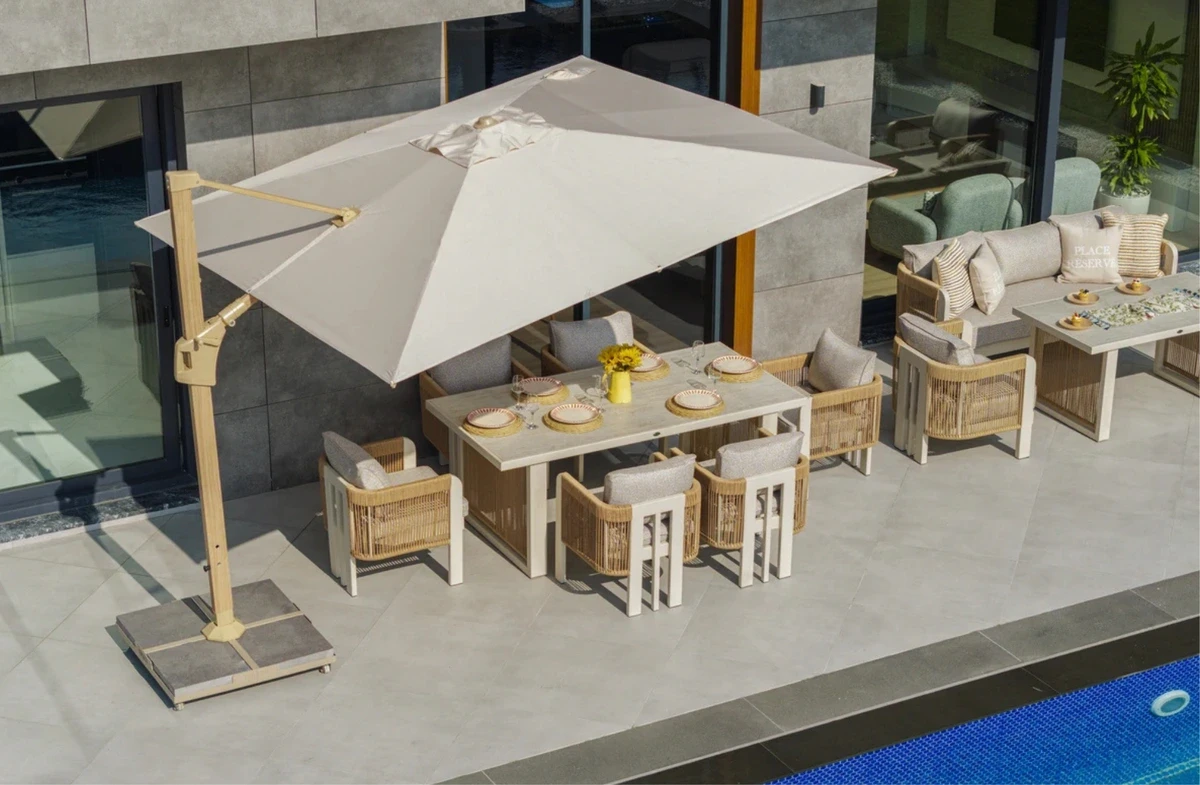
On large terraces, center-pole or cantilever umbrellas can both be suitable. Center-pole umbrellas provide a practical solution when positioned through the middle of a dining table. However, on larger dining layouts, the pole may restrict seating or service space. In these situations, cantilever umbrellas allow the canopy to extend over the furniture while keeping the central area more open.
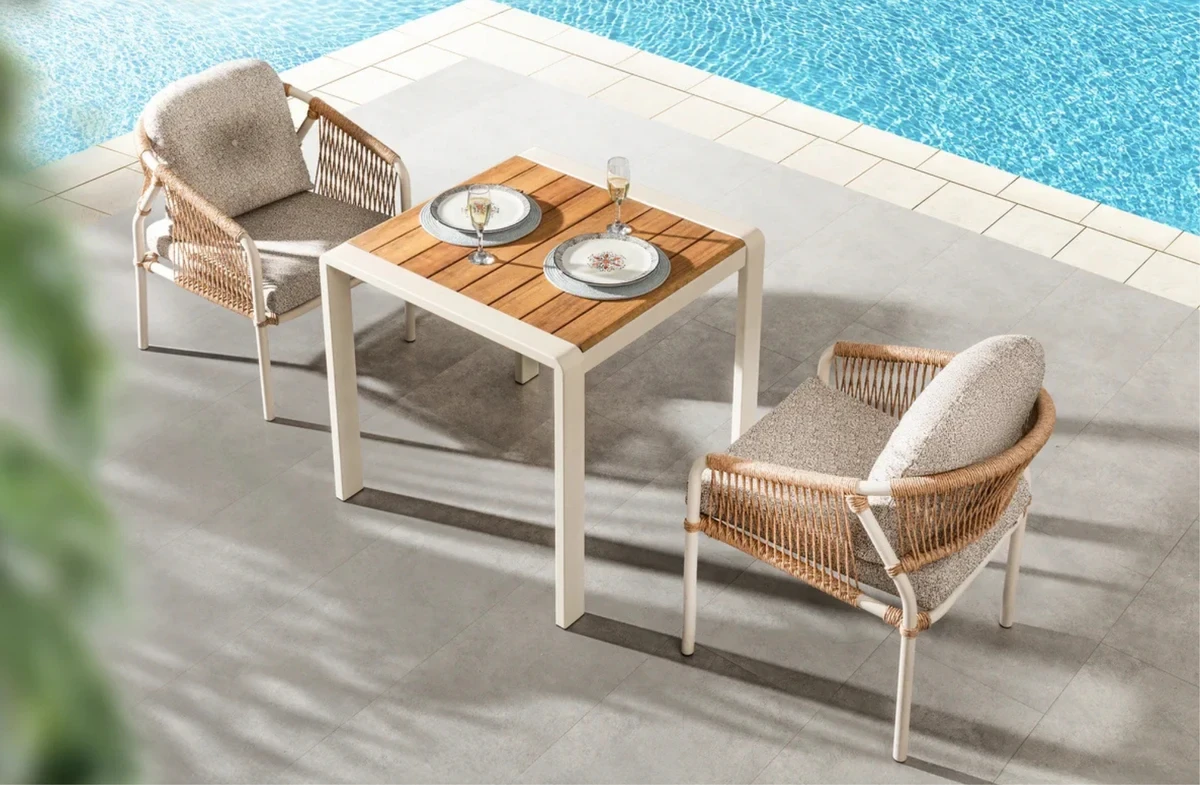
When choosing an umbrella for a garden or terrace dining set, the shaded area should cover the table and at least part of the seating around it. A small umbrella that only covers the tabletop may not provide sufficient comfort, particularly around midday.
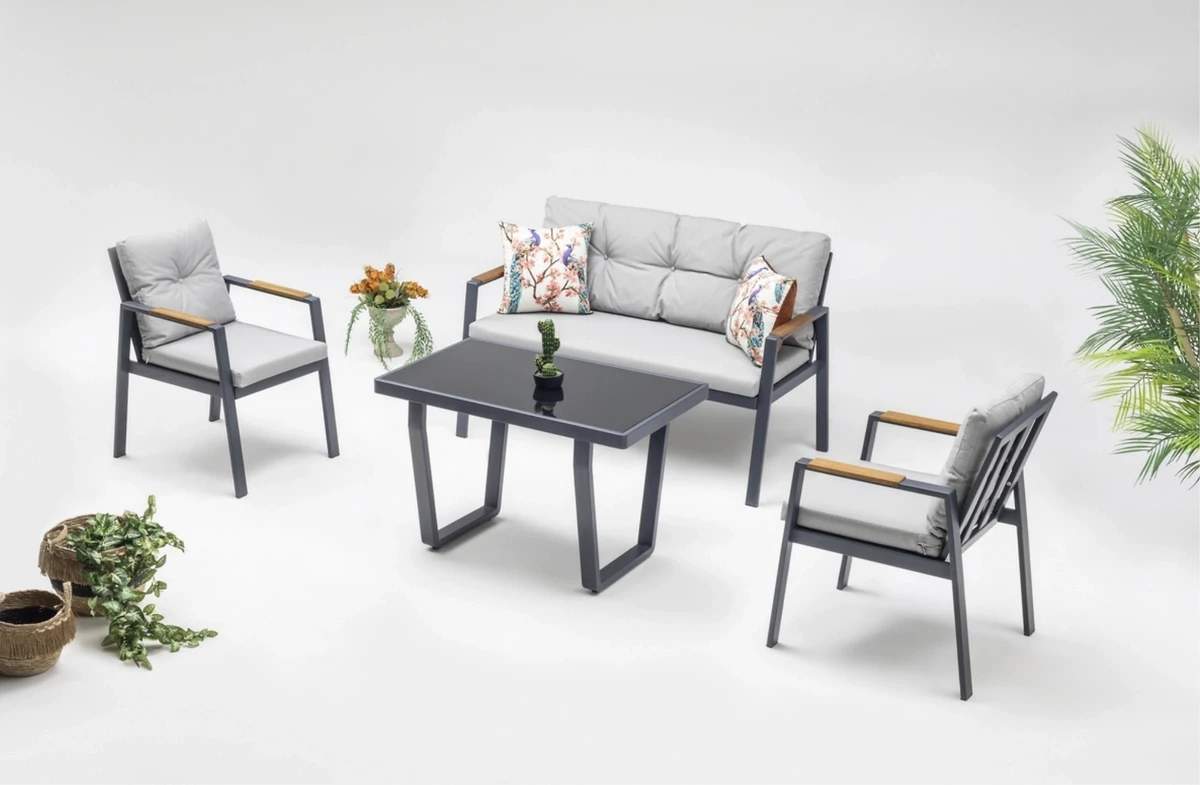
Around outdoor seating groups, the coffee table, seats, and circulation route should be considered together when planning shade coverage.
Differences Between Center-Pole and Cantilever Umbrellas
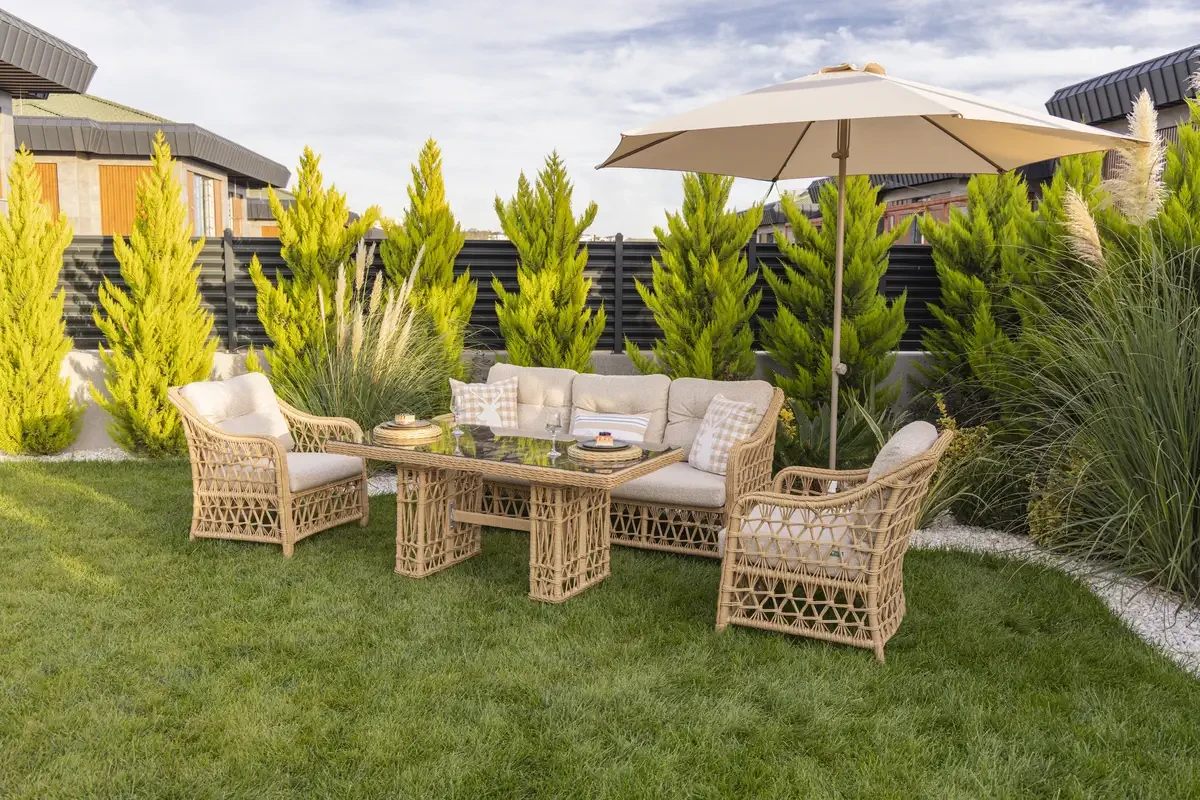
Center-pole umbrellas offer a simpler setup. They can be positioned easily on small balconies, in the center of dining tables, or on narrow terraces. Their lighter construction often makes them easier to move. However, because the pole remains in the center, it can restrict movement in certain dining or seating arrangements.
Cantilever umbrellas offer advantages in larger spaces. Because the support pole is positioned to the side rather than in the center of the furniture, they can provide shade over seating sets, dining tables, or sun loungers without occupying the central area.
However, base weight becomes more critical with cantilever umbrellas. As the arm extension increases, the wind load also increases, so the base must remain securely positioned on the ground.
| Feature | Center-Pole Umbrella | Cantilever Umbrella |
|---|---|---|
| Suitable area | Balcony, small terrace, center of dining table | Large terrace, garden, poolside |
| Ease of use | More practical and portable | Provides a wider shaded area |
| Furniture placement | Pole remains in the center | Leaves more open space around furniture |
| Base requirement | Moderate base weight may be sufficient | Requires a heavier, more stable base |
| Wind exposure | Depends on canopy diameter | Requires more attention due to the extended arm |
How Should an Umbrella Be Positioned Around Sun Loungers, Swings, and Seating Areas?
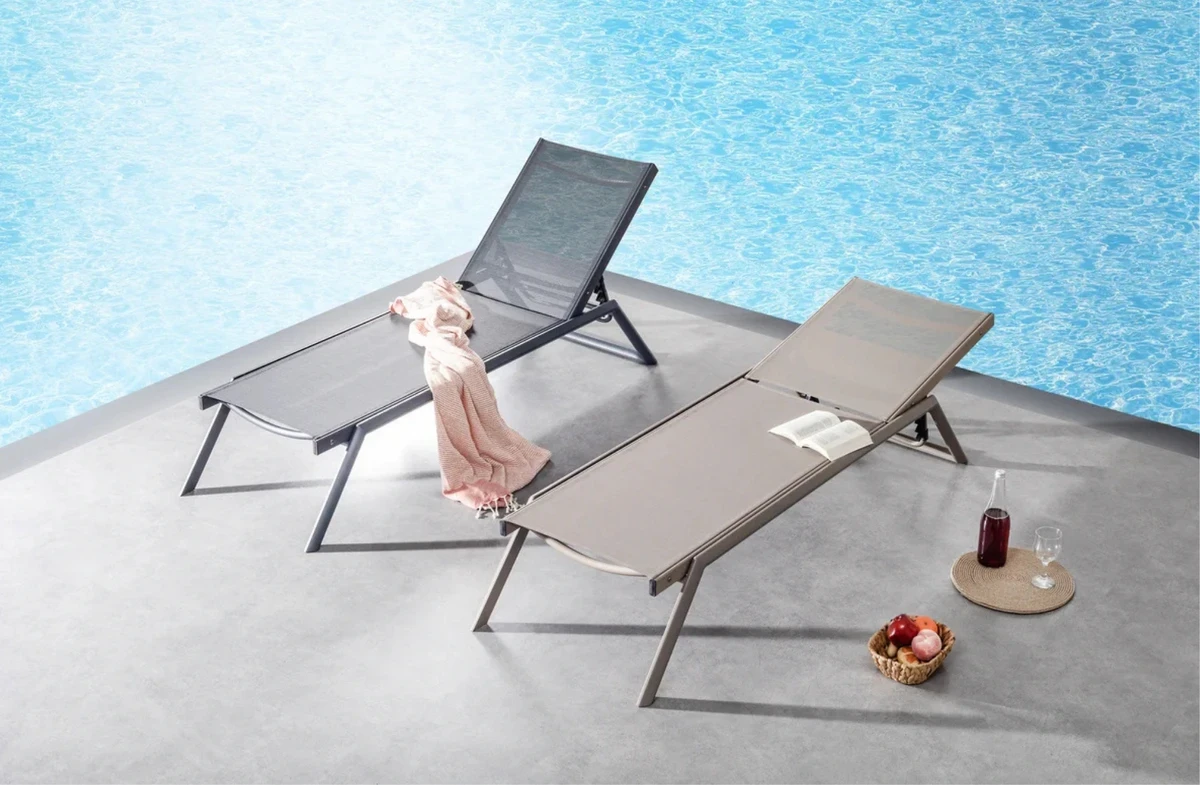
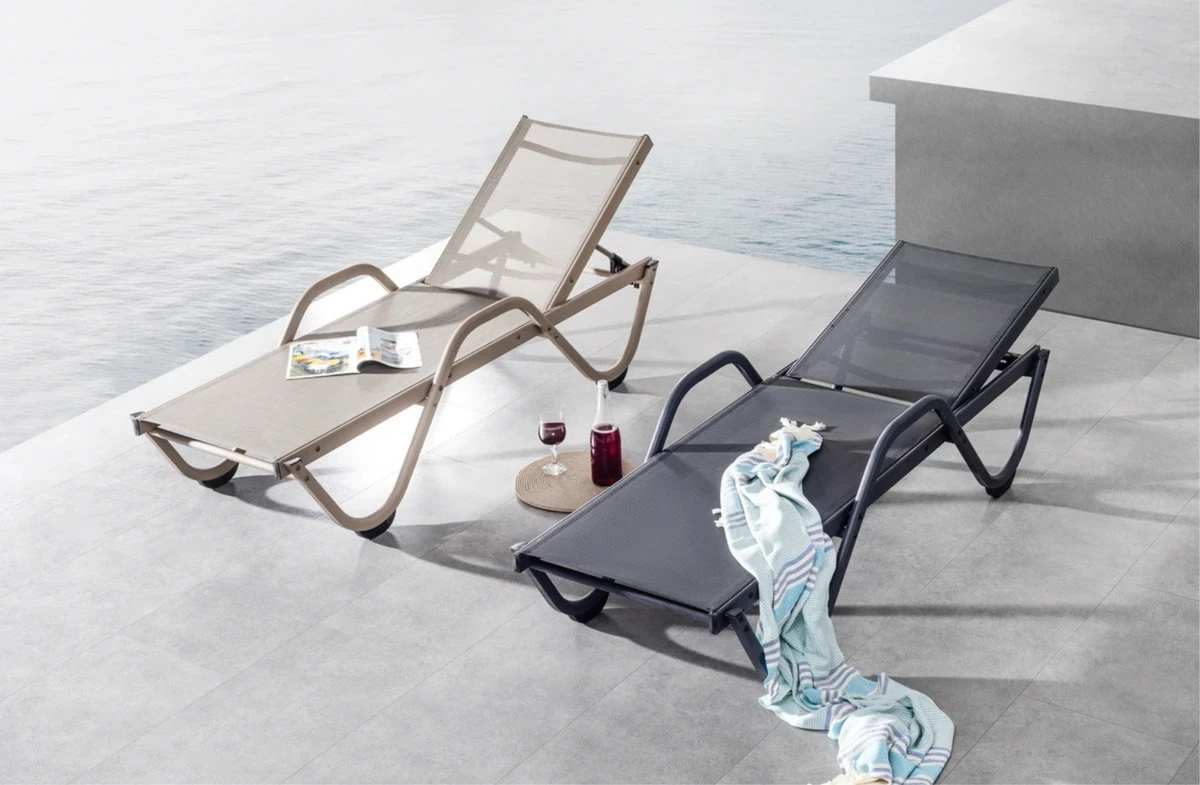
For areas with sun loungers, the angle of the umbrella is important. Because the direction of the sun changes throughout the day, fixed shade may not always be sufficient. Adjustable or tilting models can provide more practical use around swimming pools and sunbathing areas.
Portability can be useful when an umbrella is used beside sun loungers, but extremely lightweight bases may create a risk in windy locations.
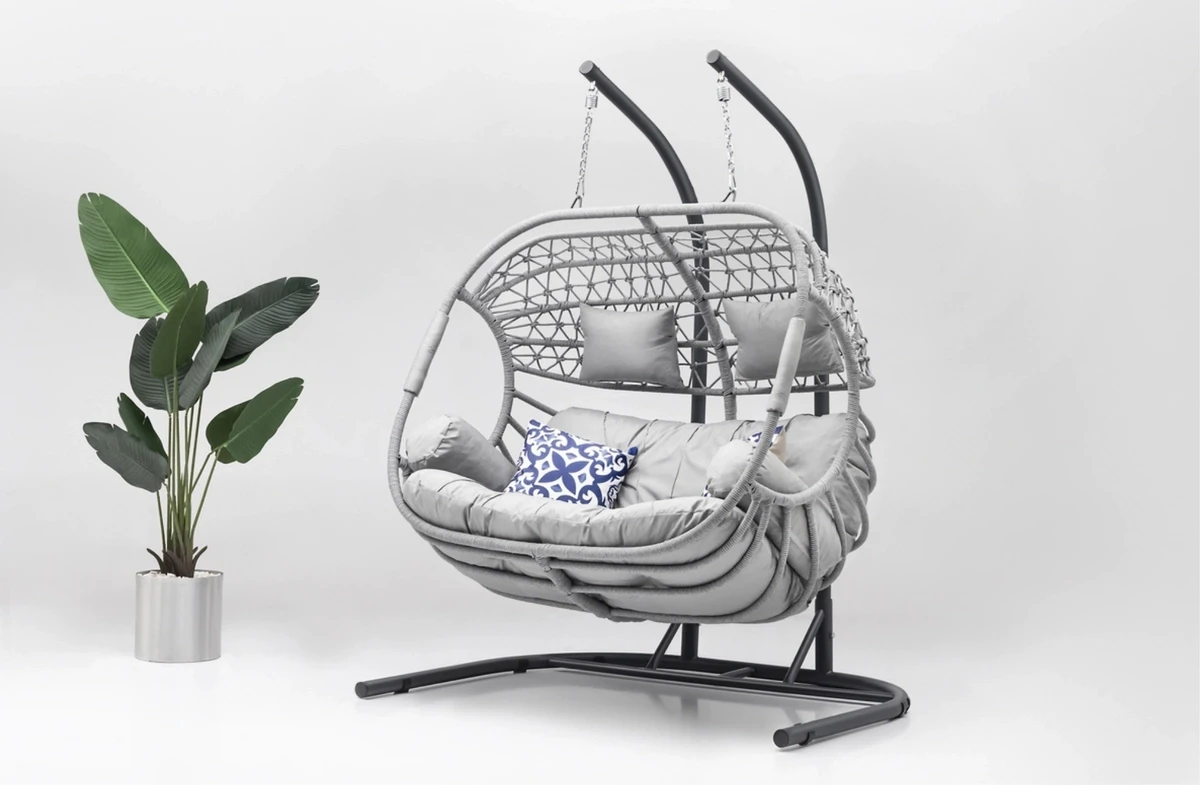
In areas with outdoor swings, the umbrella position should be planned more carefully. Because swings move during use, the umbrella base must remain outside the swing’s movement path. Otherwise, it may create both an impact risk and a restriction in the usable space.
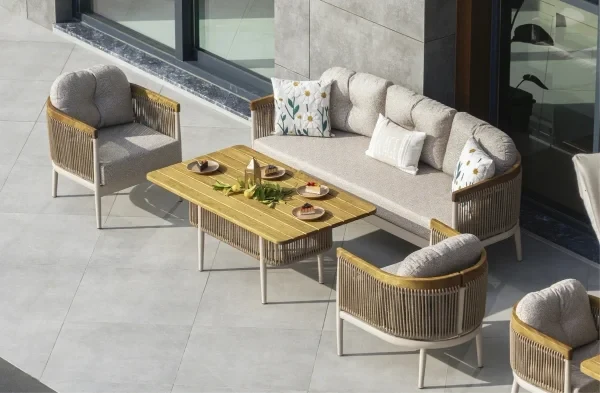
Around outdoor seating groups, the umbrella should also provide shade over the coffee table and nearby circulation route. In frequently used terrace areas, poor shade distribution may force users to reposition the furniture repeatedly throughout the day.
How Should Wind, Mechanisms, and Storage Be Evaluated?
When buying a garden or balcony umbrella, looking only at how it appears when open is not enough. Its dimensions when closed, the way the base sits on the ground, and how smoothly the opening and closing mechanism operates should also be checked.
Before purchasing, consider the following:
The umbrella diameter should be wider than the dining or seating area it is intended to cover.
In windy balconies and terraces, models with canopy vents should be considered.
The base weight should be appropriate for the umbrella diameter and structure.
The opening and closing mechanism should operate smoothly without excessive force.
UV resistance and colorfastness information should be checked for the fabric.
Metal connection points should not be loose.
The dimensions of the umbrella when closed should be checked for storage.
In areas furnished with outdoor furniture, an umbrella should not be treated as a separate accessory. It works more effectively when planned together with the table, chairs, seating group, flooring, and direction of the sun. At Terazzi, outdoor products can be evaluated according to this relationship between dimensions, materials, and everyday usage habits.
How Should Umbrella Fabric Be Maintained and Protected Seasonally?
The service life of an outdoor umbrella depends significantly on regular maintenance. If an umbrella is left open for long periods, the fabric, connection points, and frame may wear more quickly. It should be closed when not in use and should not remain open during windy weather.
Dust, pollen, and organic residue that accumulate on the fabric can cause staining over time. A soft brush and neutral soapy water should be used for cleaning instead of harsh chemicals. High-pressure water may damage the protective finish of the fabric.
Screws, joints, and moving parts on metal frames should be inspected at the beginning of the season. For wooden frames, suitable outdoor maintenance oil can be applied to help prevent excessive drying.
During winter, the umbrella should be stored completely dry and preferably protected with a suitable cover. This helps extend the service life of both the frame and the canopy.
Conclusion: The Right Umbrella Makes Outdoor Spaces More Functional
When choosing a garden or balcony umbrella, dimensions, frame material, fabric structure, base weight, and intended use should all be evaluated together.
Compact and easy-to-move models are more suitable for small balconies, while larger gardens and terraces generally benefit from wider canopies, stronger bases, and UV-resistant fabrics.
Outdoor comfort is determined by more than furniture selection alone. Shade coverage, the direction of sunlight, and wind exposure directly affect the user experience. For this reason, an umbrella should not be treated as an accessory added at the end of the design process, but as an integral part of outdoor space planning.
Frequently Asked Questions About Choosing Garden and Balcony Umbrellas
What type of umbrella is suitable for a balcony?
Because balcony space is usually limited, umbrellas with compact bases, half-round canopies, or designs that can be positioned close to a wall are generally more suitable. Chair clearance and door opening space should also be considered.
Should a garden umbrella be wind-resistant?
Frame strength and base weight are particularly important in windy gardens, terraces, and poolside areas. Using an excessively light base with a large umbrella can increase the risk of tipping.
Why is UV protection important in umbrella fabric?
UV-resistant fabric helps reduce color fading and fiber deterioration caused by sunlight. Fabric quality directly affects the service life of umbrellas that remain outdoors throughout the summer.
Where are cantilever umbrellas most suitable?
Cantilever umbrellas are suitable for large gardens, terraces, poolside areas, and spacious seating arrangements. Because the support pole remains outside the furniture area, they provide greater freedom in arranging the shaded space.
How should a garden umbrella be stored during winter?
The umbrella should be completely dry before being closed and should preferably be stored with a protective cover. Leaving metal or wooden frames in damp conditions may lead to corrosion, surface deterioration, or color changes.


-
 Turn Your Balcony into a Winter Garden with Garden Furniture: Step by Step Guide
11 June 2026 -
 Features of Iroko Groups in Wooden Garden and Balcony Furniture
11 June 2026 -
 What is Aluminum Garden and Balcony Furniture?
11 June 2026 -
 What is Rope Knitted Garden Furniture?
11 June 2026 -
 Outdoor Lighting and Furniture: How to Create the Right Balance
11 June 2026 -
 Outdoor Furniture Cleaning Guide: How to Keep It Looking Like New
11 June 2026 -
 Outdoor Seating Layout Guide for Large Terraces
11 June 2026 -
 Why Is Aluminum Preferred for Outdoor Furniture?
11 June 2026 -
 Villa Garden Decoration Ideas and 2026 Design Trends
11 June 2026 -
 Choosing Outdoor Furniture for Hotels and Restaurants
11 June 2026 -
 Decorating Ideas for Small Balconies: A Guide to Measurements, Materials, and Placementi
11 June 2026 -
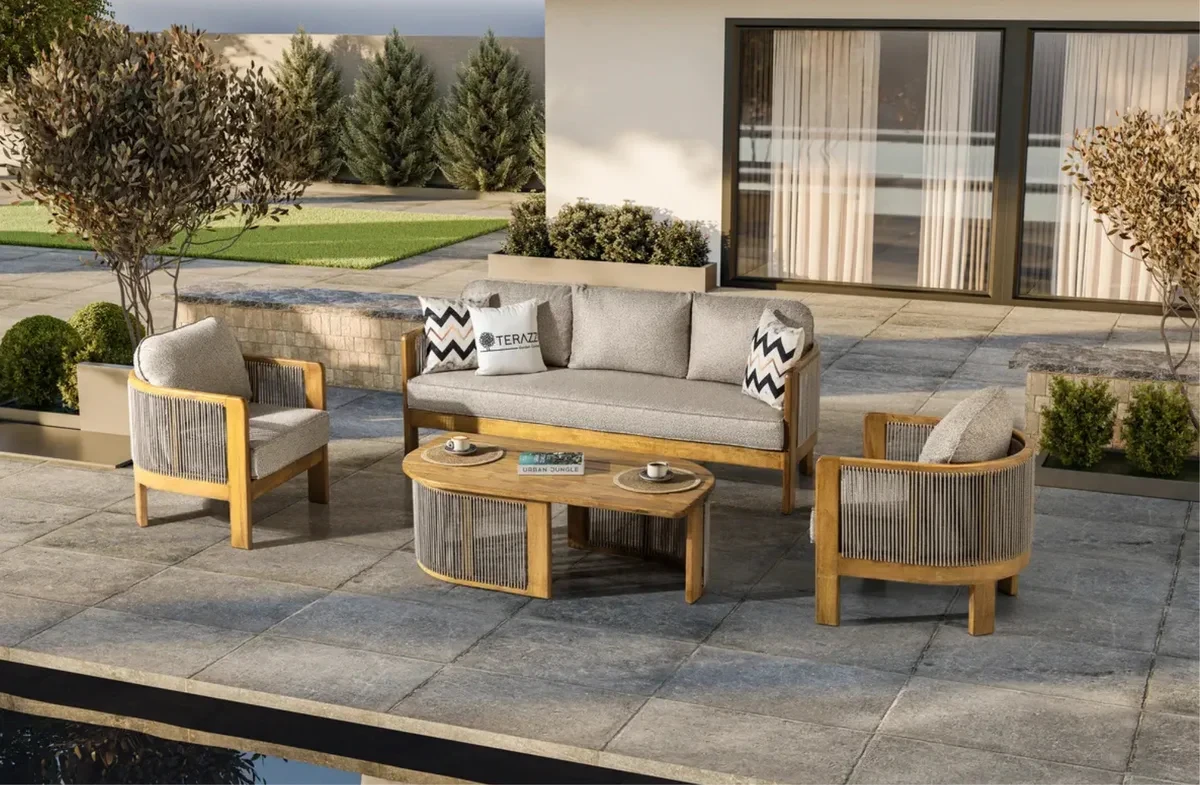 Differences Between Iroko and Teak Wood: Which is More Sensible for Garden Furniture?
11 June 2026 -
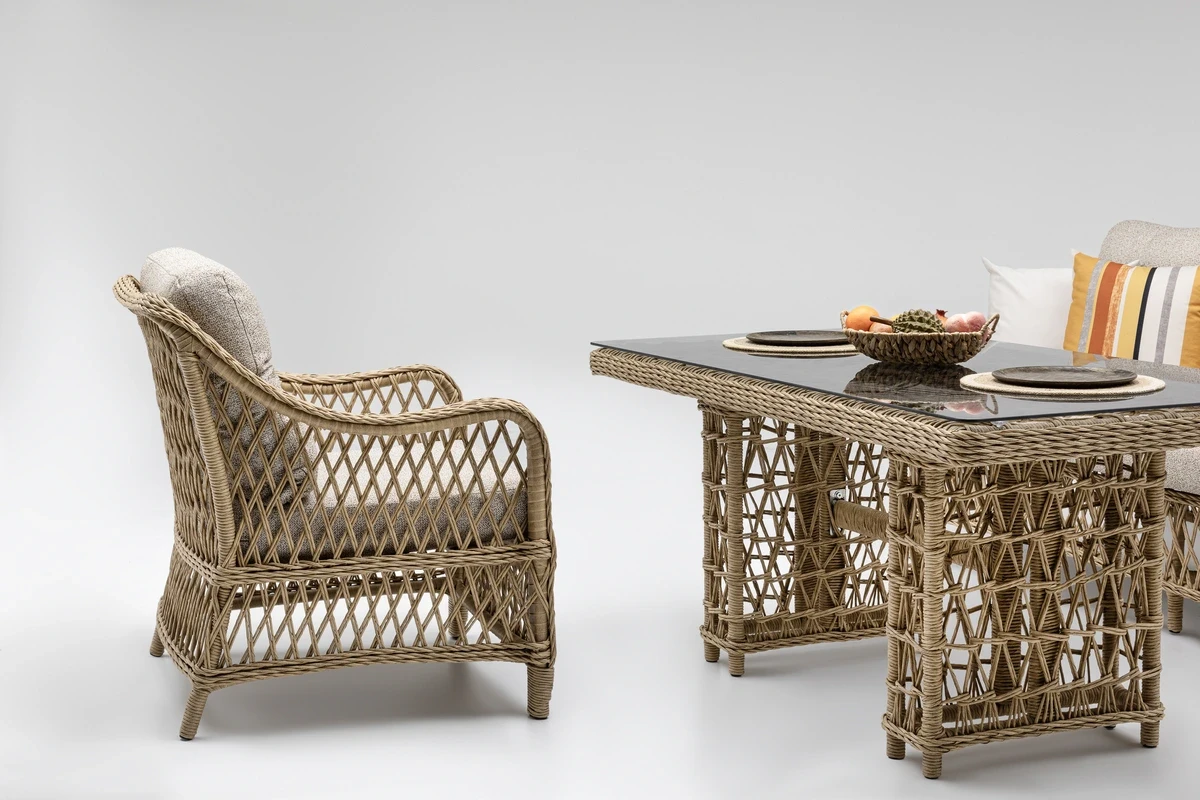 What is the difference between rattan and bamboo furniture?
11 June 2026 -
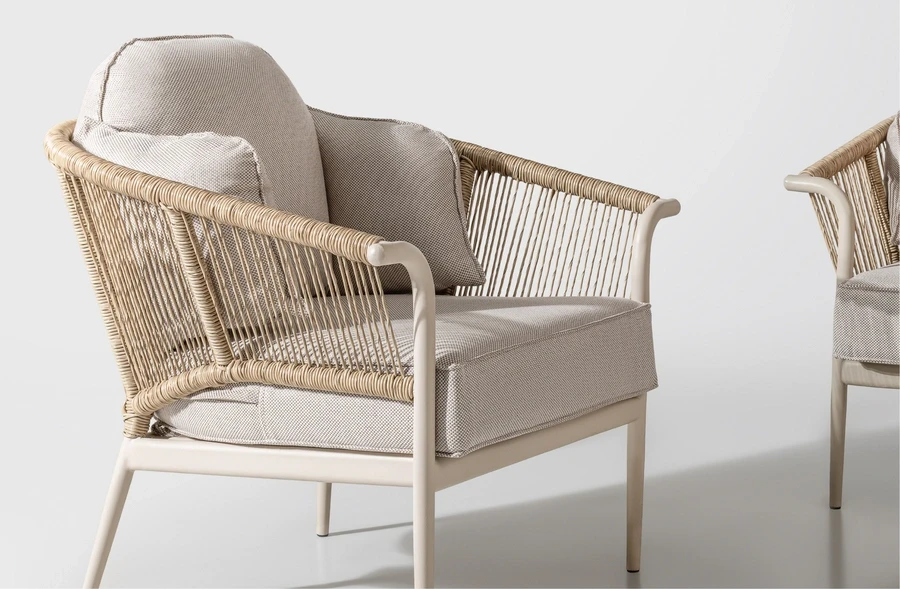 Cushion and Fabric Choices for Outdoor Furniture: Waterproof, Durable, and Comfortable Options!
11 June 2026 -
 Sun Loungers and Sunbeds: A Comfortable Guide for Poolside Use
11 June 2026 -
 Outdoor Dining Table Dimensions: How Much Space Do You Need?
11 June 2026 -
 2026's Popular Garden Furniture Collections
11 June 2026 -
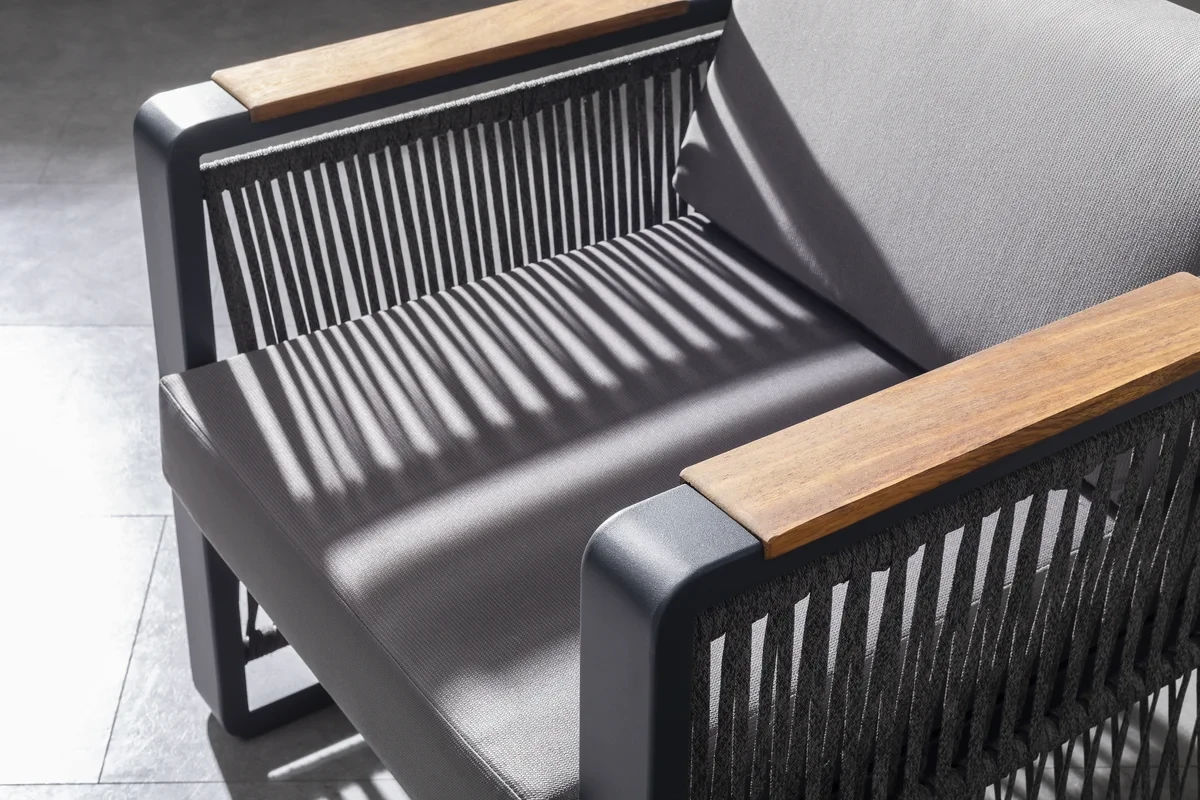 Which Garden Furniture Can Stay Outside All Year Round?
11 June 2026 -
 Garden Furniture Color Selection: How to Create an Outdoor Palette?
11 June 2026 -
 Terazzi Garden Furniture in the TV Series “Muhtemel Aşk”
11 June 2026 -
 Garden Furniture Trends: Sustainable Materials and Recyclable Designs
11 June 2026 -
 Ways to Use Your Garden and Terrace for Longer in Autumn
11 June 2026