













Choosing Outdoor Furniture for Hotels and Restaurants
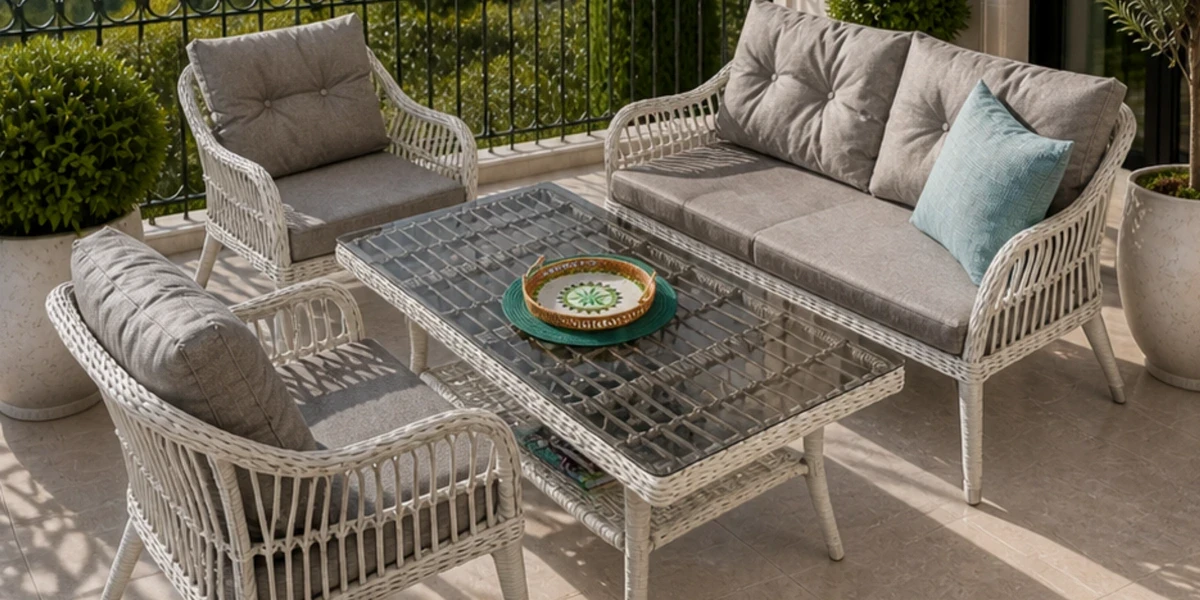
If service staff are struggling to move between tables during a busy evening shift or trying to move a heavy table on their own, the problem often lies not with the team but with the outdoor furniture that has been selected. Choosing outdoor furniture for hotels and restaurants determines not only how an outdoor space looks, but more importantly, how efficiently it functions.
Table arrangements that change several times throughout the day, the need for quick cleaning, and continuous use make outdoor furniture an integral part of daily operations. For this reason, outdoor decoration decisions in commercial spaces should prioritize mobility, surface durability, and maintenance requirements before appearance.
What Does Choosing the Wrong Outdoor Furniture Cost a Business?
Mistakes made when purchasing outdoor furniture for hotels and restaurants often become apparent only after the furniture is put into daily use and the cost of correcting those mistakes becomes clear.
The consequences of choosing the wrong furniture may include:
- Heavy outdoor dining sets: difficult table rearrangement and slower service
- Fixed outdoor furniture: limited flexibility for different seating layouts
- Recessed or difficult-to-clean surfaces: longer cleaning processes
- High-maintenance materials: additional operational costs
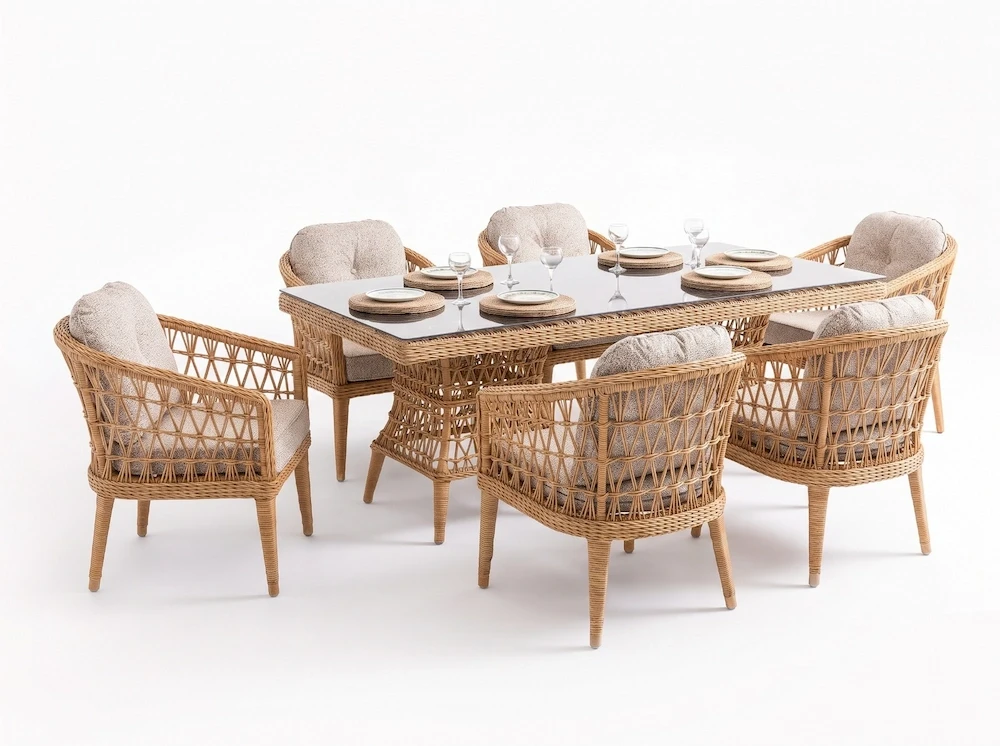
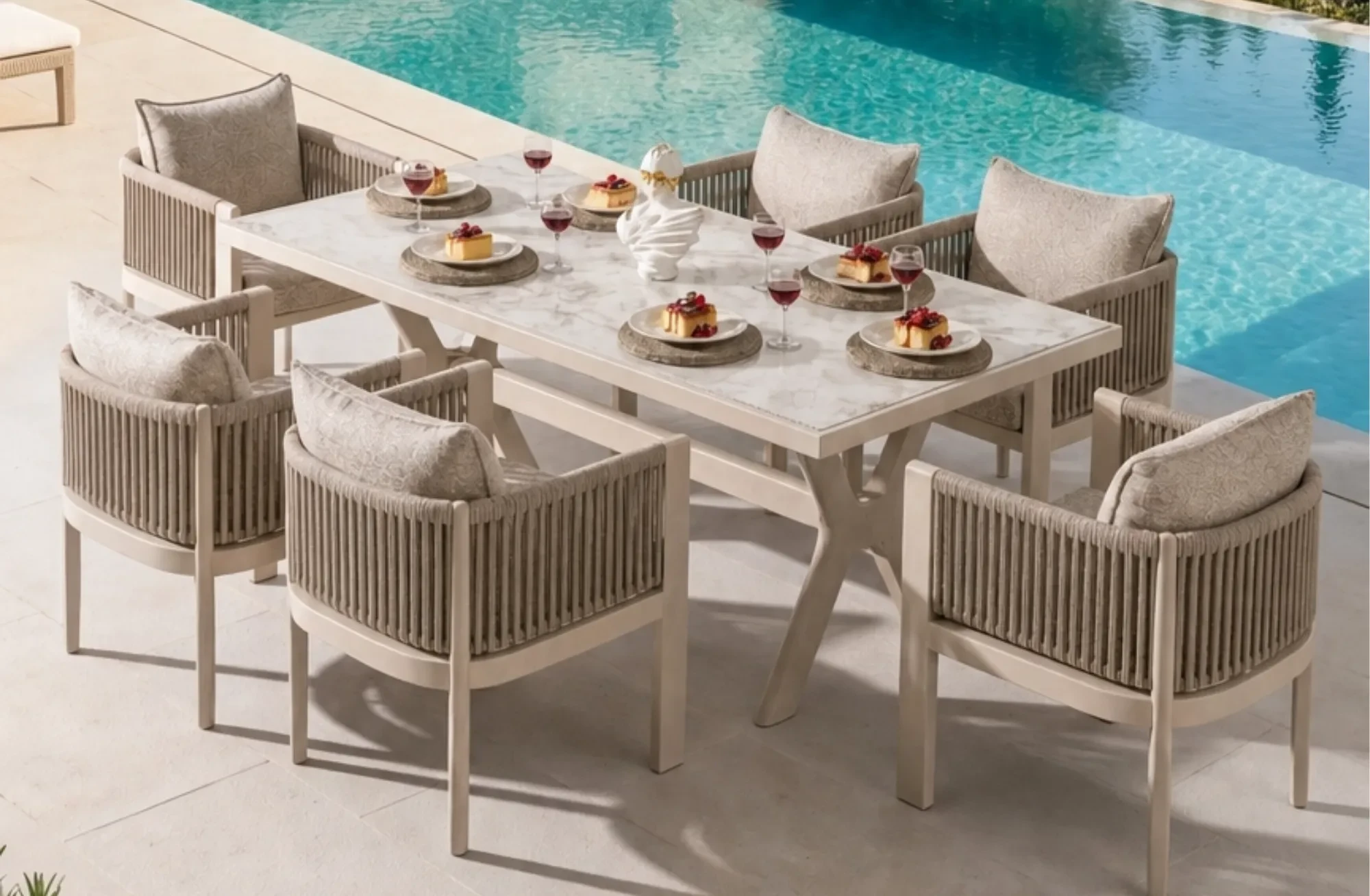
The right product not only provides comfort but also helps streamline operations throughout the day. Terazzi outdoor furniture solutions stand out with lightweight, balanced, and modular designs developed to meet these types of operational requirements.
Choosing the Right Outdoor Furniture for Different Types of Businesses
Every hospitality business has a different outdoor usage scenario. Instead of choosing the same type of outdoor furniture for every environment, decisions should be based on usage intensity and operational requirements.
Busy Urban Restaurants
For spaces where rapid table turnover is essential:
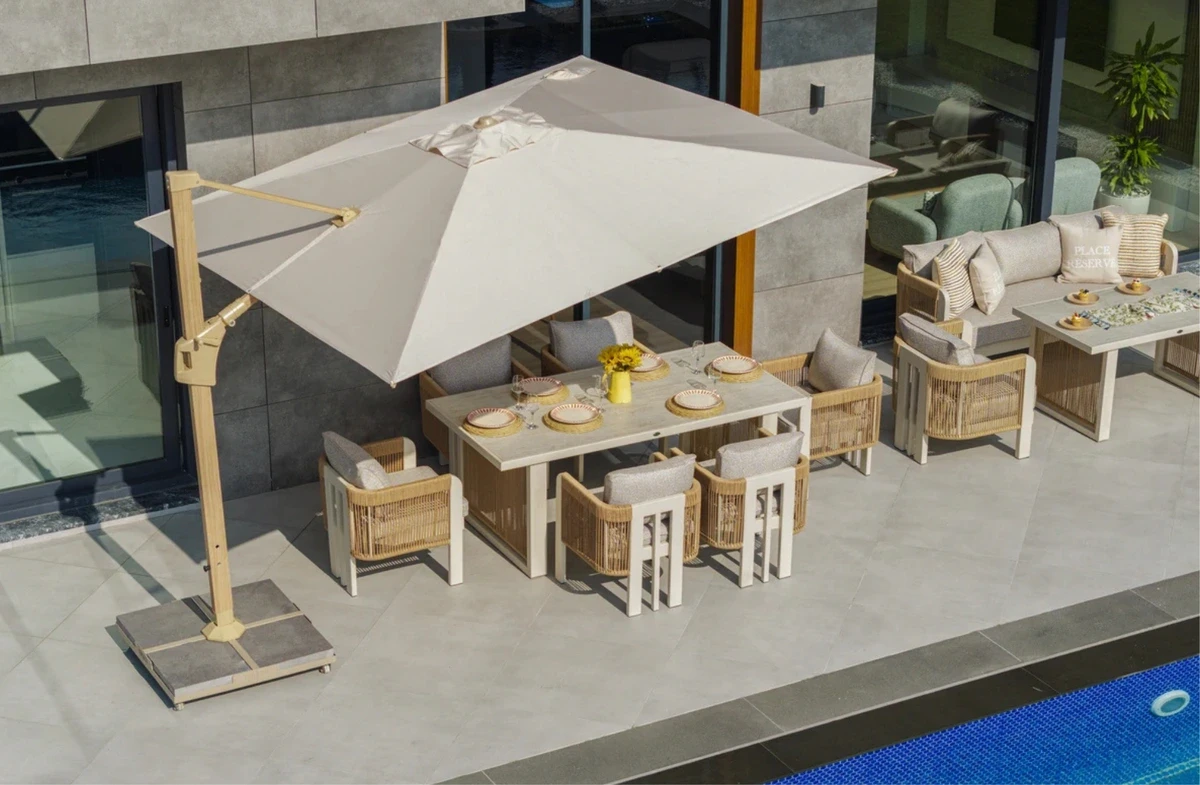
- Lightweight aluminum outdoor dining sets should be preferred
- Portable outdoor furniture solutions should be used
- Space should be optimized with compact layouts
Hotel Pool and Resort Areas
In areas exposed to high levels of moisture and sunlight:
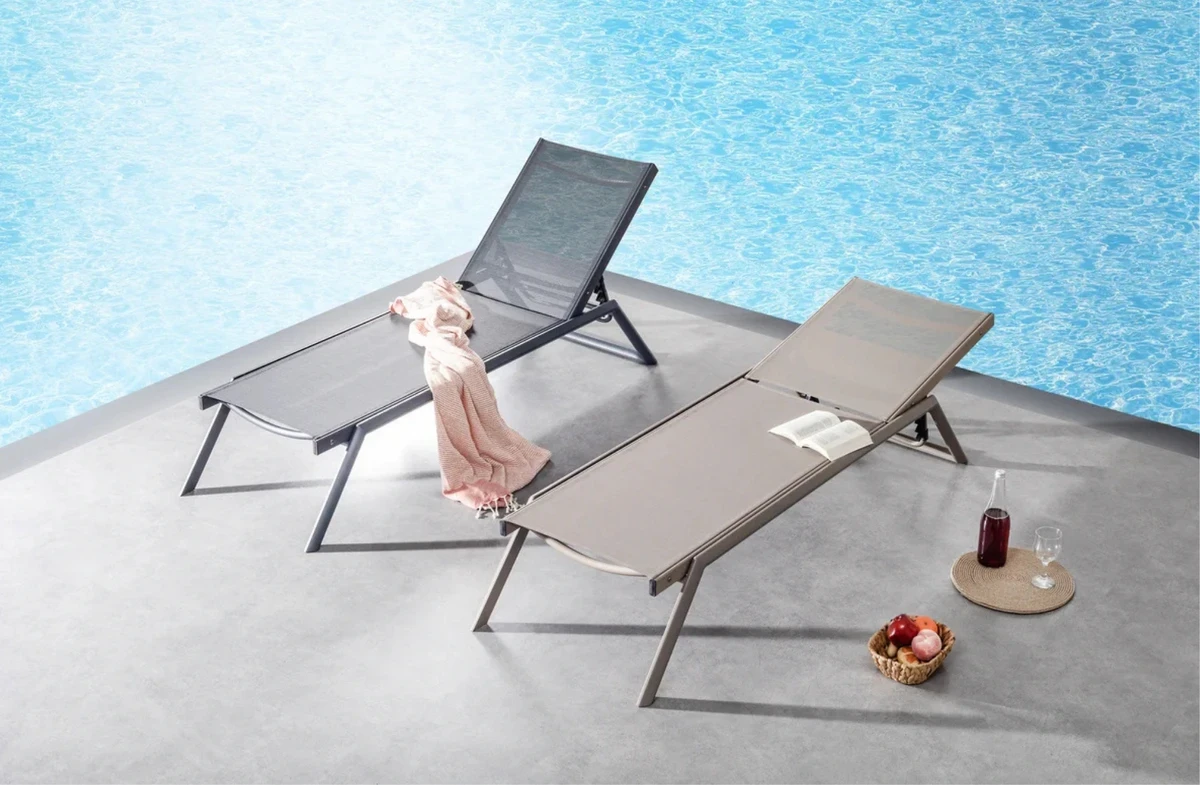
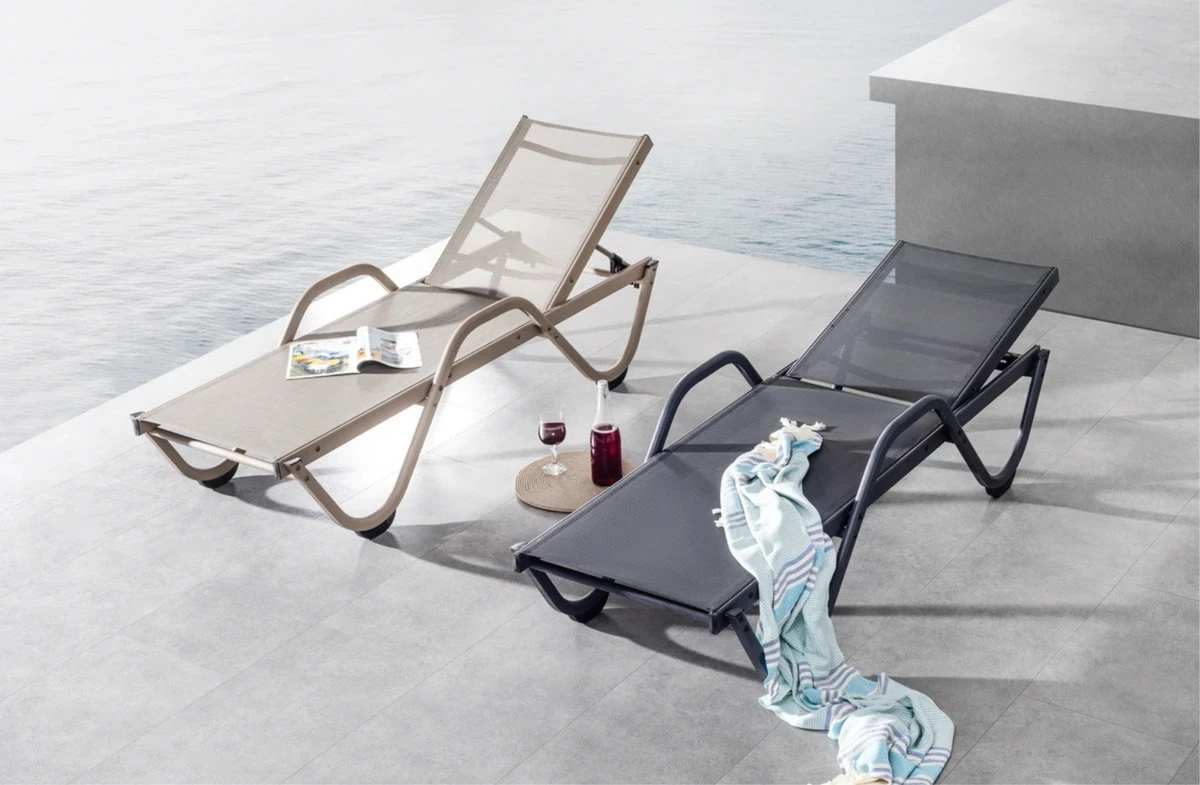
- Water-resistant fabrics should be preferred for sun lounger surfaces
- Quick-drying foam should be used for cushions
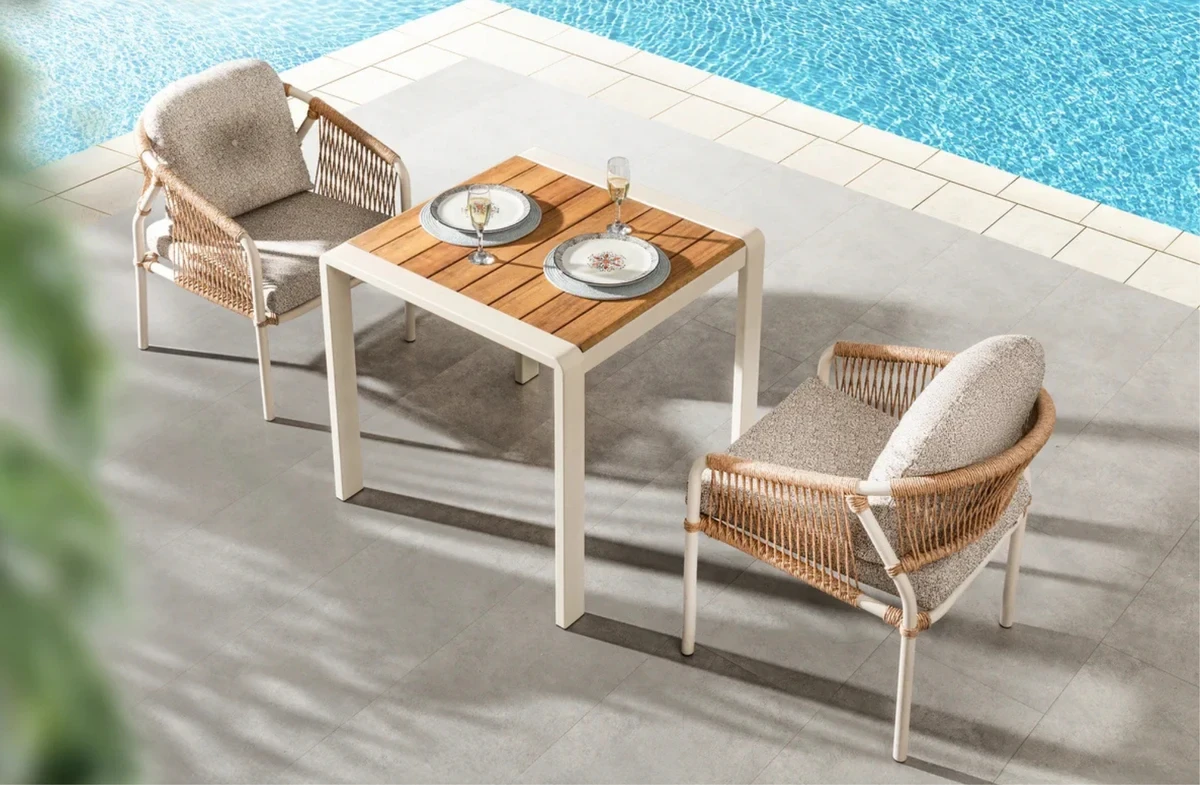
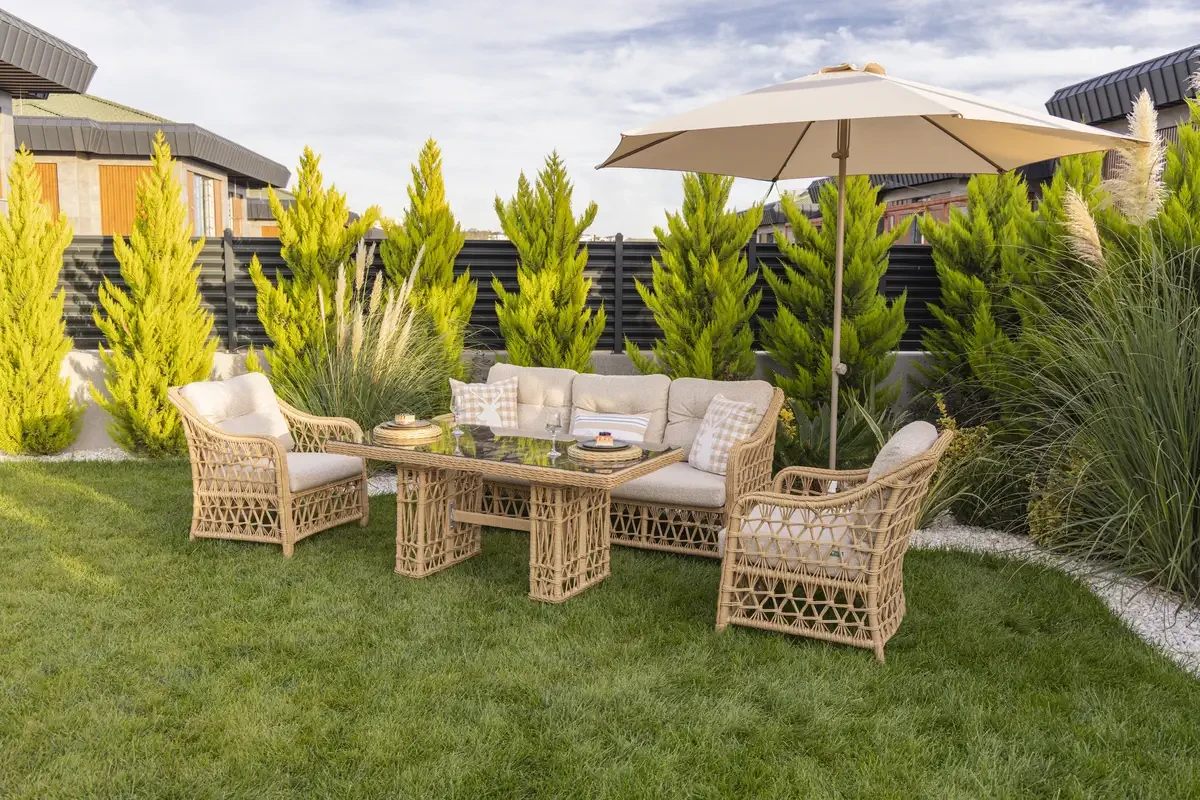
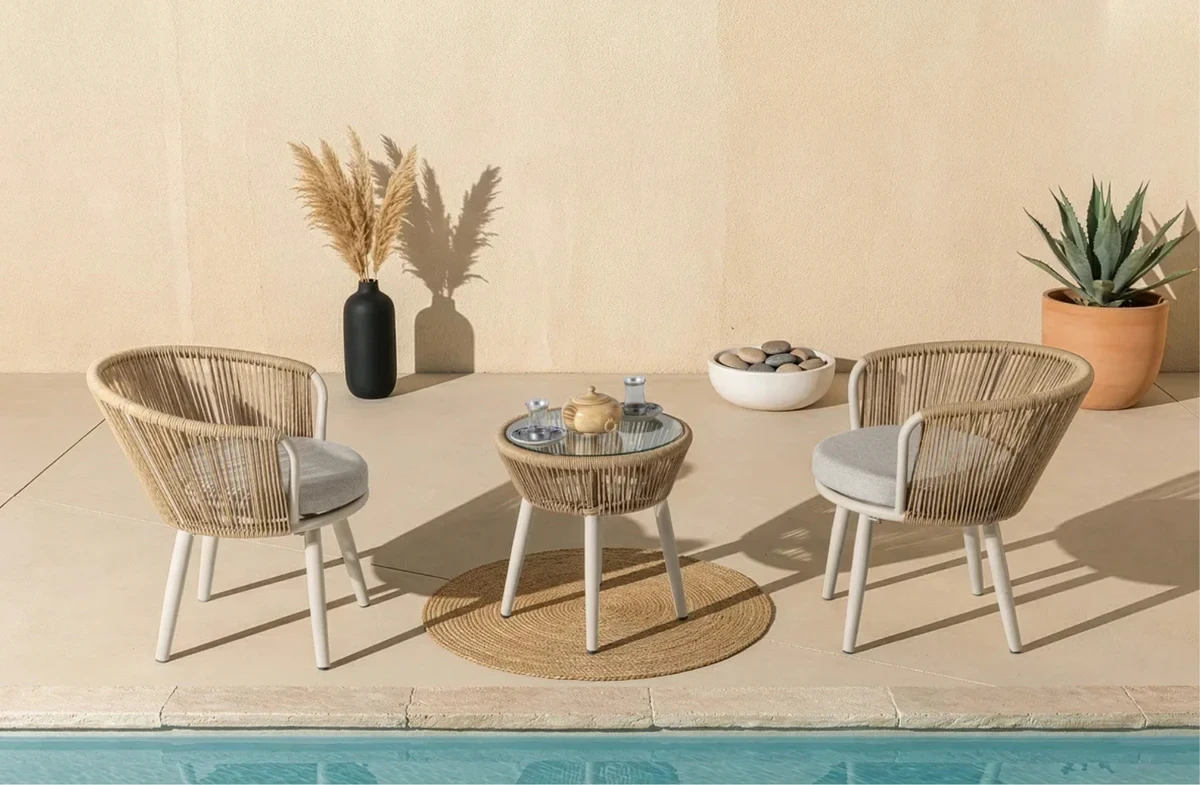
- Rope outdoor furniture can provide improved airflow and breathability
Fine Dining Restaurants
In spaces with lower seating turnover:
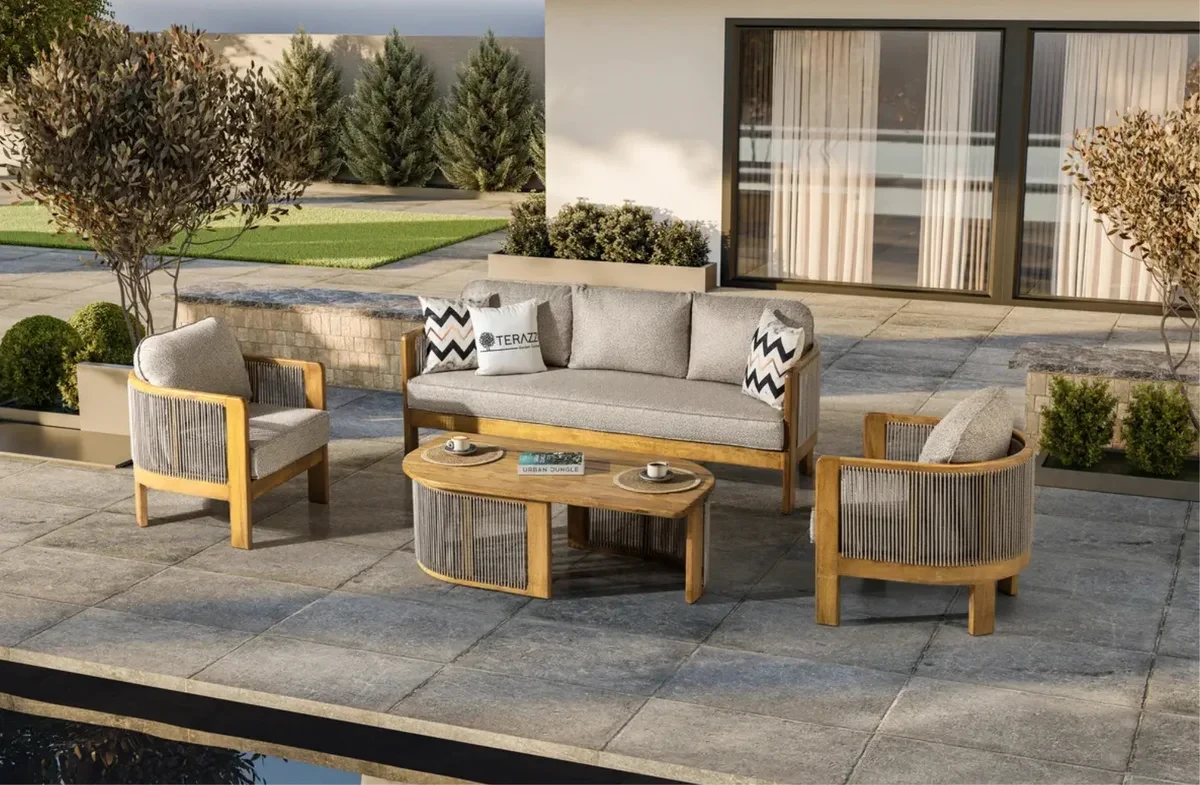
- Outdoor seating groups with wooden surfaces can be preferred
- A regular maintenance schedule should be established
- Surface durability should be considered alongside visual consistency
Cafés and Medium-Sized Businesses
Flexibility is particularly important in this segment:
- Modular outdoor furniture can be preferred
- Furniture should be easy to move and rearrange
- The space should be able to adapt to different table configurations
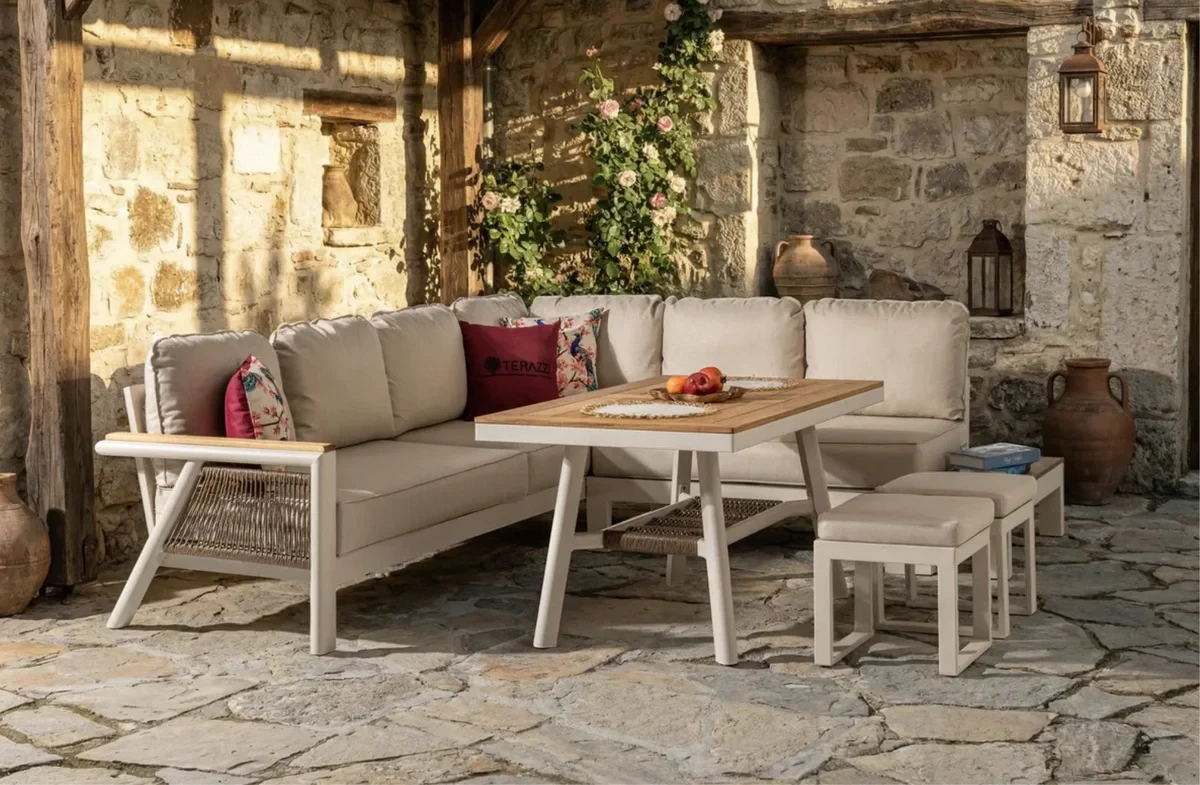
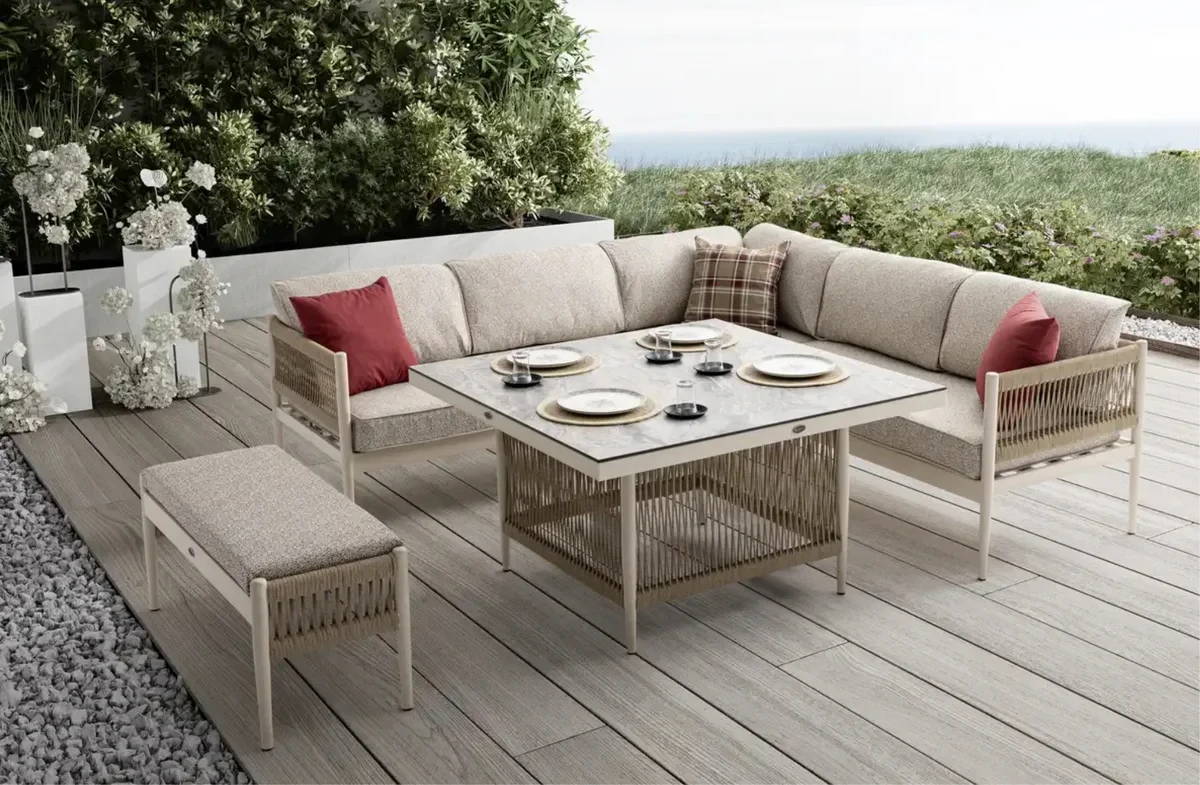
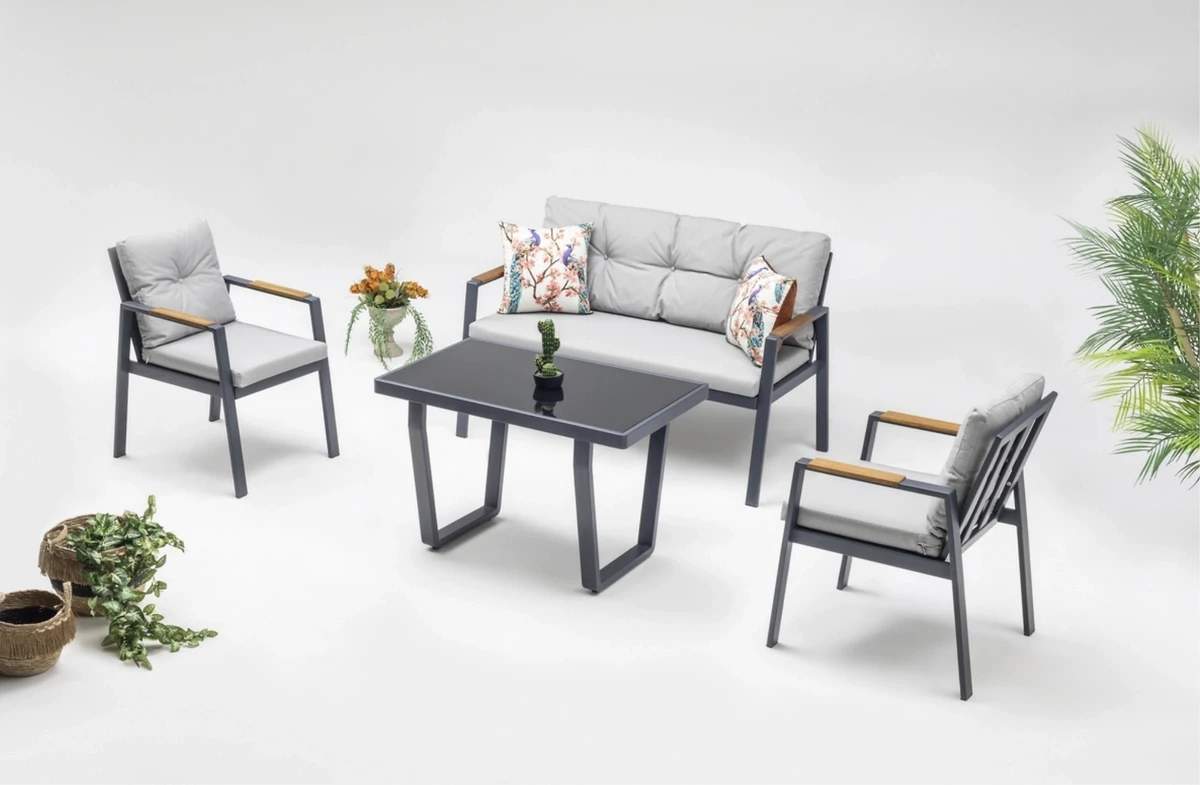
Terazzi modular outdoor seating groups can accommodate a variety of configurations, providing flexible solutions for these types of commercial spaces.
Choosing Materials for Hotel and Restaurant Outdoor Furniture
When choosing outdoor furniture for hotels and restaurants, the material determines how the product performs under daily use.
Different materials offer different advantages:
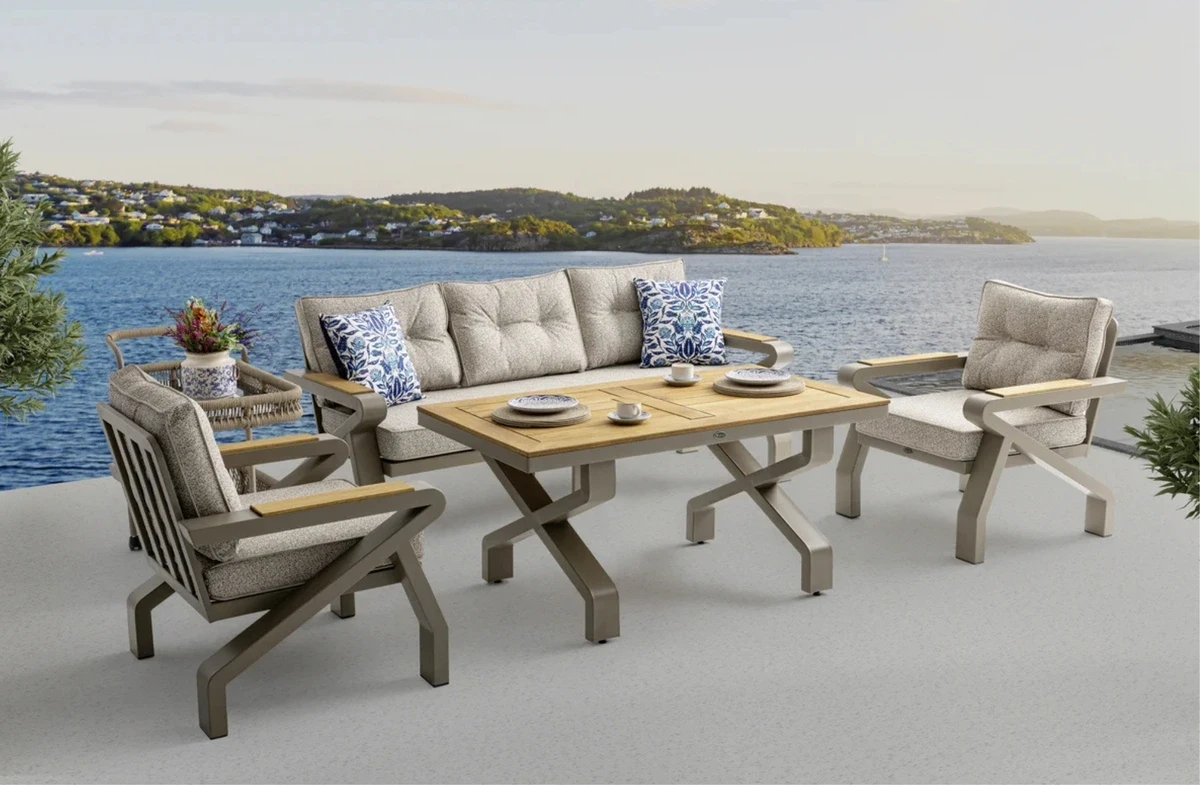
- Aluminum outdoor furniture provides high durability with lower maintenance requirements
- Wooden outdoor furniture offers a strong visual appeal but requires regular maintenance
- Rope and fabric surfaces provide greater comfort and breathability
Electrostatic powder coating used on aluminum frames helps protect surfaces against the effects of UV exposure and moisture. Wooden surfaces may naturally change color over time, while rope systems generally dry faster due to their low water absorption properties.
By taking these factors into account when selecting materials, Terazzi provides outdoor furniture solutions designed to support more consistent performance in high-use commercial environments.
The Importance of Product Selection and Layout for Service Efficiency
Even the best outdoor furniture can lose its effectiveness if it is not positioned correctly. The layout of outdoor seating in hotels and restaurants can significantly affect service flow.
Consider the following measurements when planning the space:
- Distance between tables: 70–90 cm
- Main service aisle: Minimum 120 cm
- Chair space: Minimum 50 cm
Outdoor areas can operate more efficiently when divided according to function:
- Dining area → outdoor dining sets
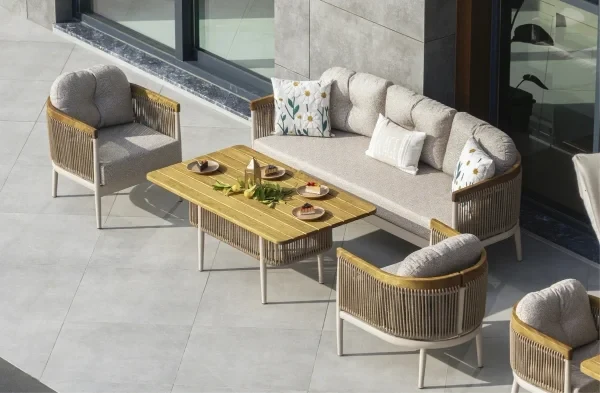
- Relaxation area → outdoor corner seating or compact outdoor seating sets
- Sunbathing area → sun loungers
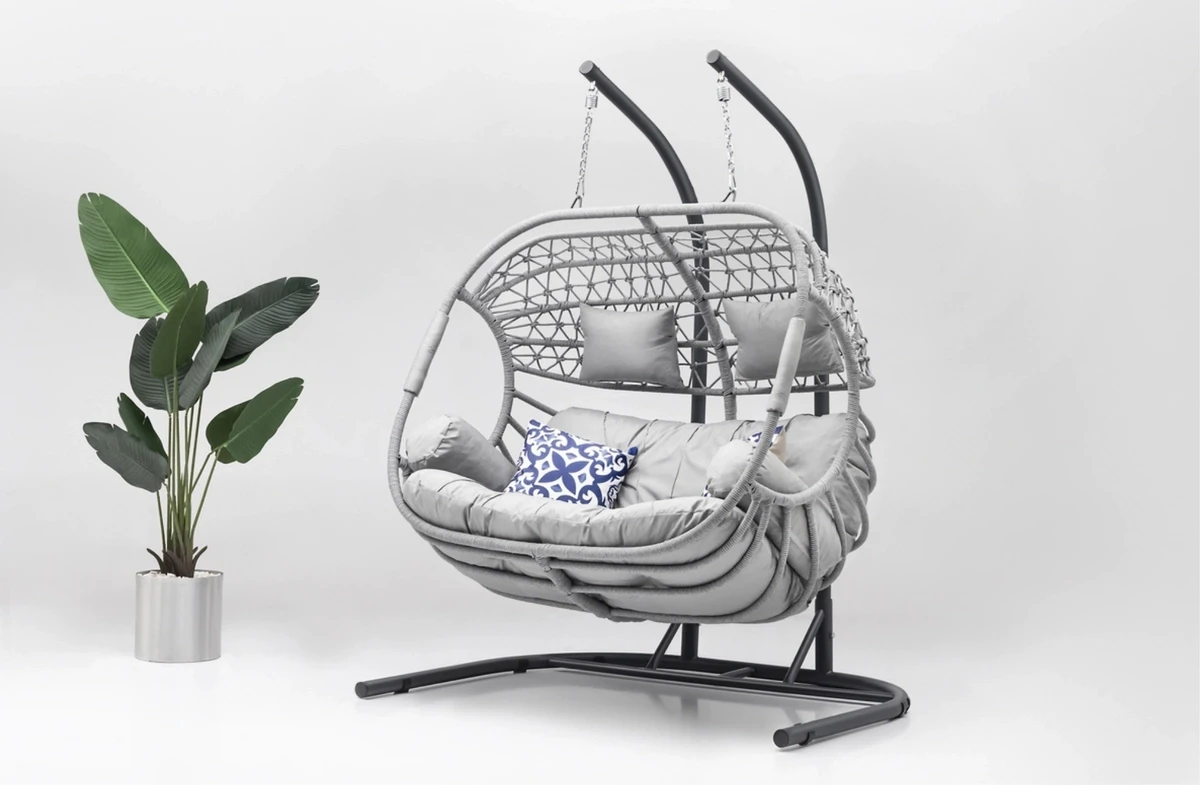
- Social area → single or double outdoor swings
This functional separation helps create smoother circulation, particularly when planning terraces and other multi-purpose outdoor areas.
The Role of Seating Comfort in the Guest Experience
Comfort directly affects how long guests choose to remain in a particular area. For this reason, ergonomics should be an important consideration when selecting outdoor furniture for cafés, hotels, and restaurants.
Key elements that define seating comfort include:
- Backrest angle: 100°–110°
- Seat depth: 45–55 cm
- Cushion core: quick-drying foam
- Surface: materials with low thermal conductivity
Compared with exposed metal surfaces, outdoor furniture with textile-based seating surfaces tends to provide a more consistent level of comfort in areas exposed to direct sunlight. This is particularly important during the summer season.
Outdoor Furniture Maintenance and Costs for Hotels and Restaurants
Failing to establish a maintenance plan for hotel and restaurant outdoor furniture can accelerate wear and increase long-term costs.
Regular maintenance offers several benefits:
- Weekly cleaning helps remove surface dirt
- Monthly inspections help identify wear and extend product life
- Wood oil applications help protect wooden surfaces
- Prompt treatment of fabric stains helps prevent permanent damage
Protective covers used on sunbeds and other outdoor furniture should allow the materials underneath to breathe. Otherwise, trapped moisture may accumulate and eventually cause surface deformation.
Frequently Asked Questions About Choosing Outdoor Furniture for Hotels and Restaurants
How should outdoor furniture for hotels and restaurants be selected?
Usage intensity, service flow, and maintenance requirements should be evaluated together. Lightweight, durable, and easy-to-maintain outdoor furniture is generally better suited to commercial environments.
What is the difference between restaurant outdoor furniture and residential outdoor furniture?
Restaurant outdoor furniture is designed to withstand higher levels of daily use. Commercial furniture generally prioritizes durability, ease of maintenance, mobility, and resistance to frequent use compared with furniture intended primarily for residential environments.


-
 Turn Your Balcony into a Winter Garden with Garden Furniture: Step by Step Guide
30 April 2026 -
 Features of Iroko Groups in Wooden Garden and Balcony Furniture
30 April 2026 -
 What is Aluminum Garden and Balcony Furniture?
30 April 2026 -
 What is Rope Knitted Garden Furniture?
30 April 2026 -
 Outdoor Lighting and Furniture: How to Create the Right Balance
30 April 2026 -
 Outdoor Furniture Cleaning Guide: How to Keep It Looking Like New
30 April 2026 -
 Outdoor Seating Layout Guide for Large Terraces
30 April 2026 -
 Why Is Aluminum Preferred for Outdoor Furniture?
30 April 2026 -
 Villa Garden Decoration Ideas and 2026 Design Trends
30 April 2026 -
 Decorating Ideas for Small Balconies: A Guide to Measurements, Materials, and Placementi
30 April 2026 -
 Differences Between Iroko and Teak Wood: Which is More Sensible for Garden Furniture?
30 April 2026 -
 What is the difference between rattan and bamboo furniture?
30 April 2026 -
 What should you pay attention to when choosing a garden or balcony umbrella?
30 April 2026 -
 Cushion and Fabric Choices for Outdoor Furniture: Waterproof, Durable, and Comfortable Options!
30 April 2026 -
 Sun Loungers and Sunbeds: A Comfortable Guide for Poolside Use
30 April 2026 -
 Outdoor Dining Table Dimensions: How Much Space Do You Need?
30 April 2026 -
 2026's Popular Garden Furniture Collections
30 April 2026 -
 Which Garden Furniture Can Stay Outside All Year Round?
30 April 2026 -
 Garden Furniture Color Selection: How to Create an Outdoor Palette?
30 April 2026 -
 Terazzi Garden Furniture in the TV Series “Muhtemel Aşk”
30 April 2026 -
 Garden Furniture Trends: Sustainable Materials and Recyclable Designs
30 April 2026 -
 Ways to Use Your Garden and Terrace for Longer in Autumn
30 April 2026