












Ways to Use Your Garden and Terrace for Longer in Autumn
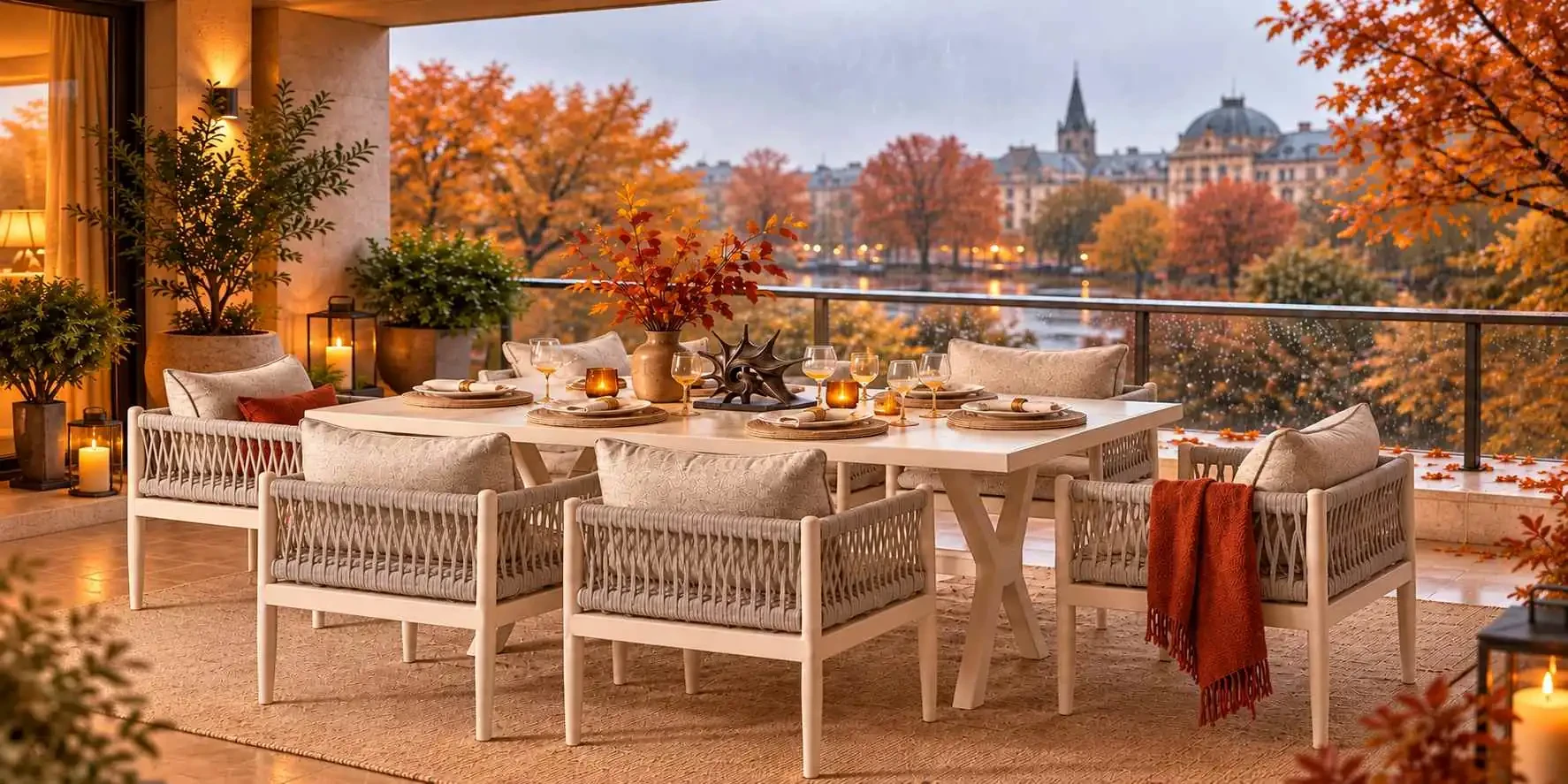
How long you can comfortably spend time in your garden or on your terrace depends not only on the air temperature, but also on sunlight, wind, and how quickly the ground dries after rainfall. A corner that is preferred in summer because it provides shade may become unnecessarily cold as the weather cools. In contrast, another area that receives too much sun during summer may turn into one of the most comfortable spots of the day in autumn. For this reason, before adding new furniture, it is important to reorganize the existing layout according to the direction of the sun and wind.
What Conditions Affect Outdoor Comfort in Autumn?
Outdoor comfort is influenced not only by temperature, but also by sunlight, wind, humidity, and how quickly the ground dries. When positioning furniture, consider which hours of the day the area receives sunlight and the direction of the prevailing wind.
Shaded areas used for protection from the sun during summer may no longer offer the same advantage when temperatures drop. As the angle of the sun changes, building overhangs, walls, trees, and surrounding structures create different shaded areas across the terrace. Observing the space in the morning, at midday, and in the evening makes it easier to determine where the furniture will be most comfortable to use.
When reorganizing the area, check these four points:
Sunlight: Check whether the seating area receives sunlight during the hours when you use it most frequently.
Wind: Avoid positioning sofas and chairs so that they directly face the wind.
Drainage: Rainwater should not accumulate around furniture legs or in the seating area.
Accessibility: Cushions and textile accessories should be easy to move indoors quickly when necessary.
How Does Material Selection Affect Use in Cool and Rainy Weather?
When selecting materials, consider not only resistance to rain but also weight, drying time, and maintenance requirements. How easily the furniture can be moved, whether water collects on its surfaces, and how quickly wet areas dry all directly affect everyday use.
Aluminium and iroko, both used in Terazzi collections, offer different characteristics in this respect. Depending on the size and design of the product, aluminium frames can provide a lighter structure that makes furniture easier to reposition. Protective surface coatings also help limit direct contact between the metal and moisture.
Iroko, on the other hand, is one of the wood species suitable for outdoor use thanks to its natural oil content and dense structure. Water should not be allowed to remain on wooden surfaces for extended periods, and maintenance should be scheduled according to the condition of the surface.
| Feature | Aluminium | Iroko |
|---|---|---|
| Repositioning | Depending on the design, it may offer the advantage of a lighter structure | It may be heavier depending on the product construction |
| After rainfall | Water remaining on the surface can be removed easily | Surface water should be removed and the wood should not remain damp for long periods |
| Maintenance | Coating and connection points should be checked periodically | Wood maintenance may be required depending on the condition of the surface |
The right material choice depends on where the furniture will be used. Furniture that remains fully exposed and is moved frequently during the day has different requirements from furniture that stays permanently in a semi-covered veranda.
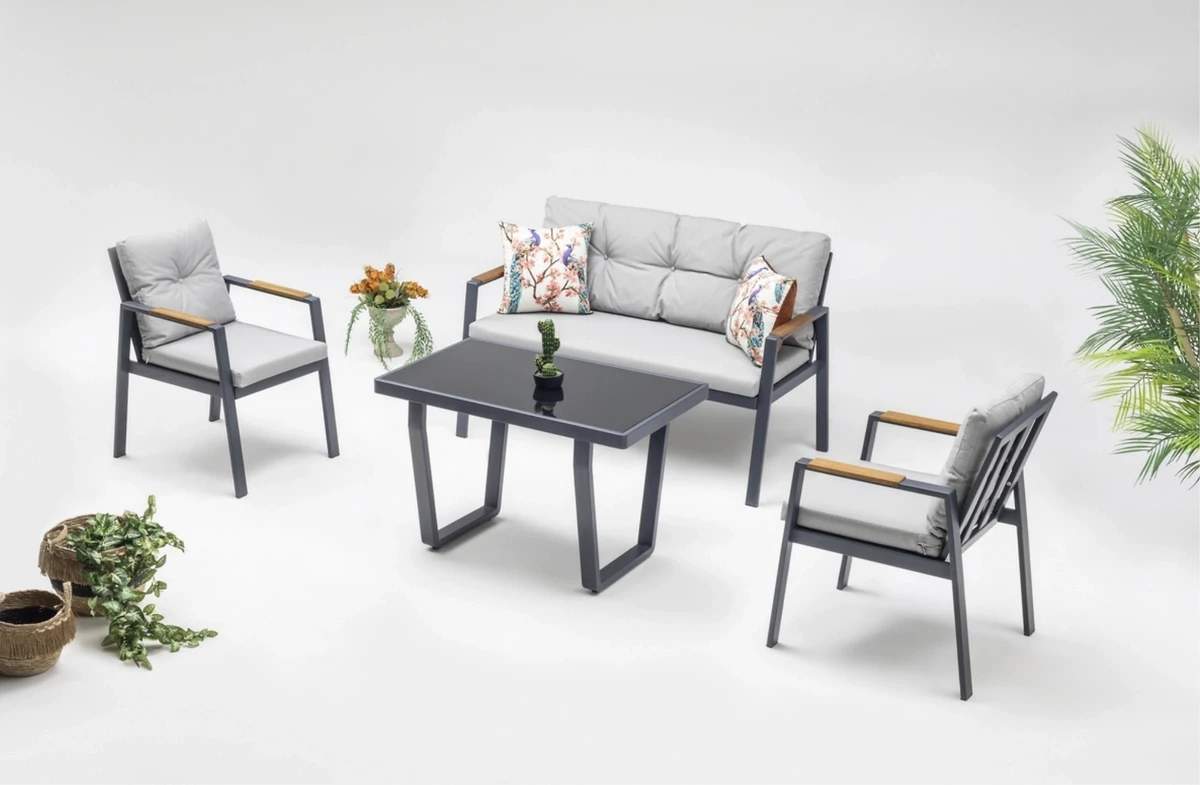
When choosing a garden seating set that will be repositioned throughout the day, the frame weight, surface material, and intended placement area should all be considered together.
When comparing different outdoor furniture options at Terazzi, it is important to consider not only the dimensions and frame material but also whether the furniture will be placed in an open, semi-covered, or wind-exposed area. The same material can be exposed to different levels of rain, wind, and humidity depending on its location.
Autumn Layout and Ergonomics
Keeping the exact same furniture arrangement used throughout summer may not always be advantageous in autumn. The sun sits lower in the sky, shaded areas become cooler earlier in the day, and the ground takes longer to dry after rainfall. Moving seating or dining areas by just a few metres can help extend the amount of time you can spend outdoors.
When planning the layout, also consider the route used to move cushions indoors and the walkways that will be needed after rain.
Reconsider Areas That Were Shaded in Summer
A corner that was avoided in summer because it received too much sunlight may become one of the most comfortable parts of the terrace in autumn. Areas that receive afternoon sun, in particular, can become more suitable for sitting as temperatures begin to fall.
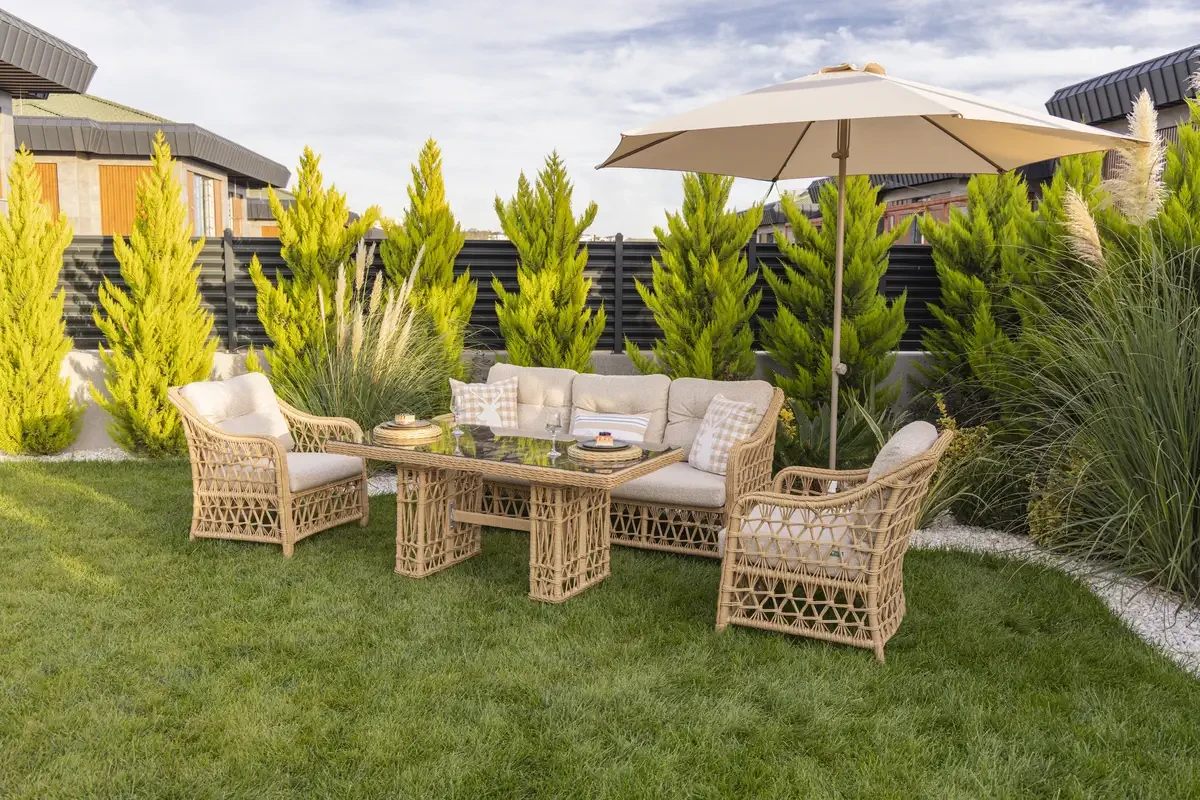
A garden seating set positioned in the shade during summer does not have to remain in the same place throughout the season. As the angle of the sun becomes lower, balcony overhangs, pergolas, high walls, and trees create different shaded areas across the terrace.
Rather than relying only on compass direction when positioning furniture, observe where sunlight actually remains during the hours when the terrace is most frequently used.
Plants that lose their leaves in autumn can also change how wind affects the space. A corner protected by dense foliage in summer may become more exposed as the season progresses. In this case, changing the direction of the sofas or moving the seating area to a more sheltered part of the building can create a more comfortable environment.
Note: Do not place the seating group directly against the wall. Leaving some space behind it helps maintain air circulation on rainy days and provides easier access for cleaning.
Create Separate Areas for Different Times of the Day
In autumn, a garden or terrace does not remain at the same temperature throughout the day. A dining area exposed to sunlight at midday may be comfortable, while the same spot may be shaded a few hours later.
Instead of concentrating dining and relaxation areas in a single location, separating them according to the movement of the sun throughout the day can make the space more practical.
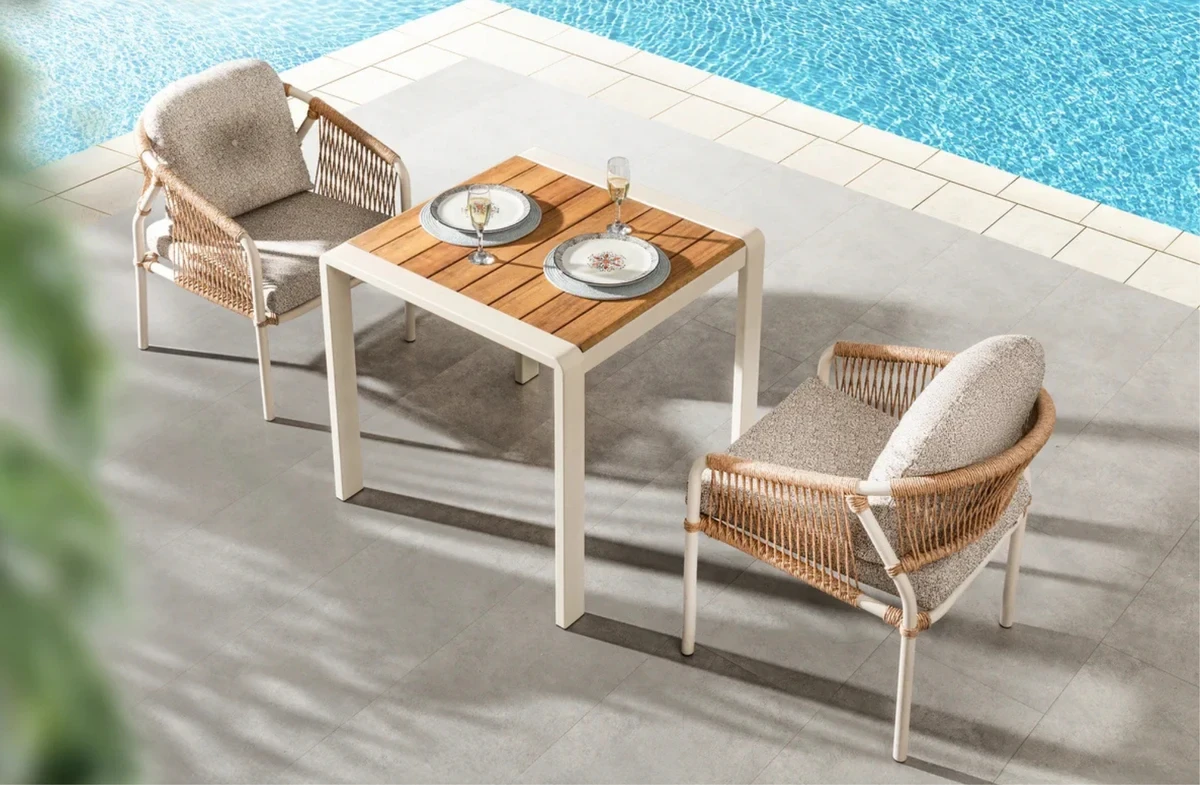
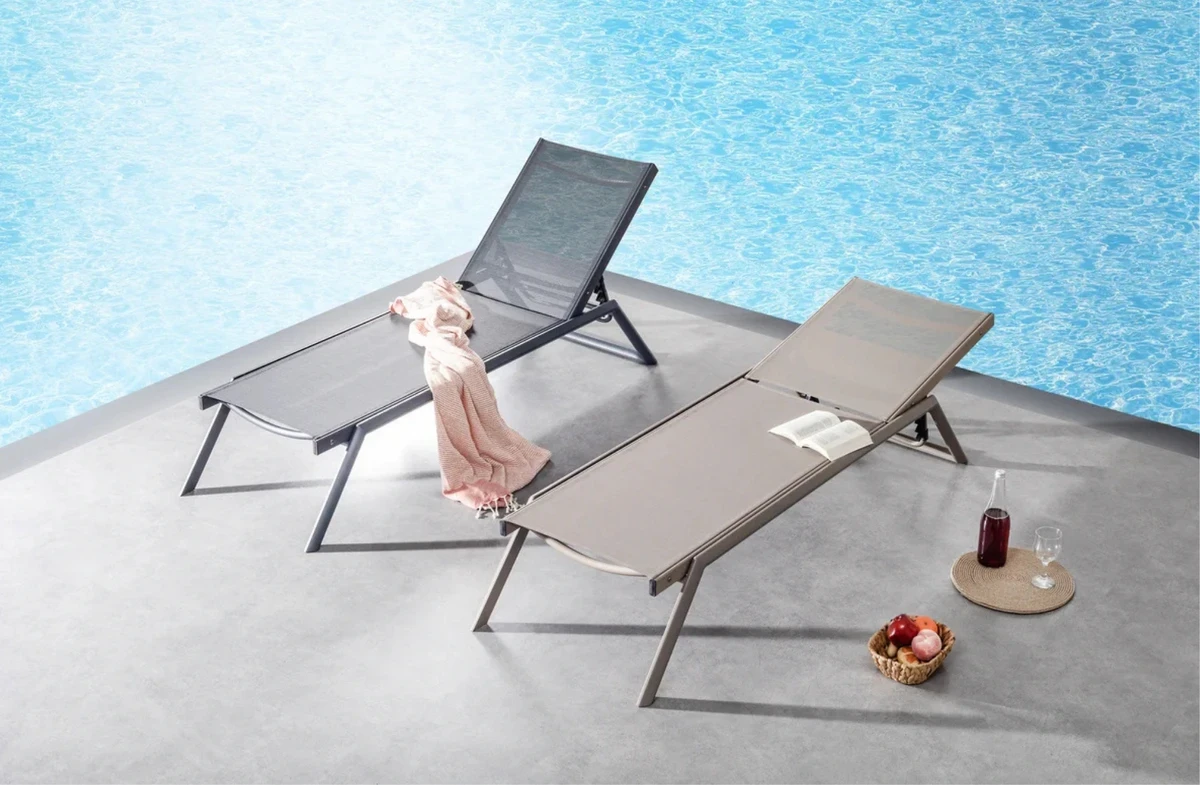
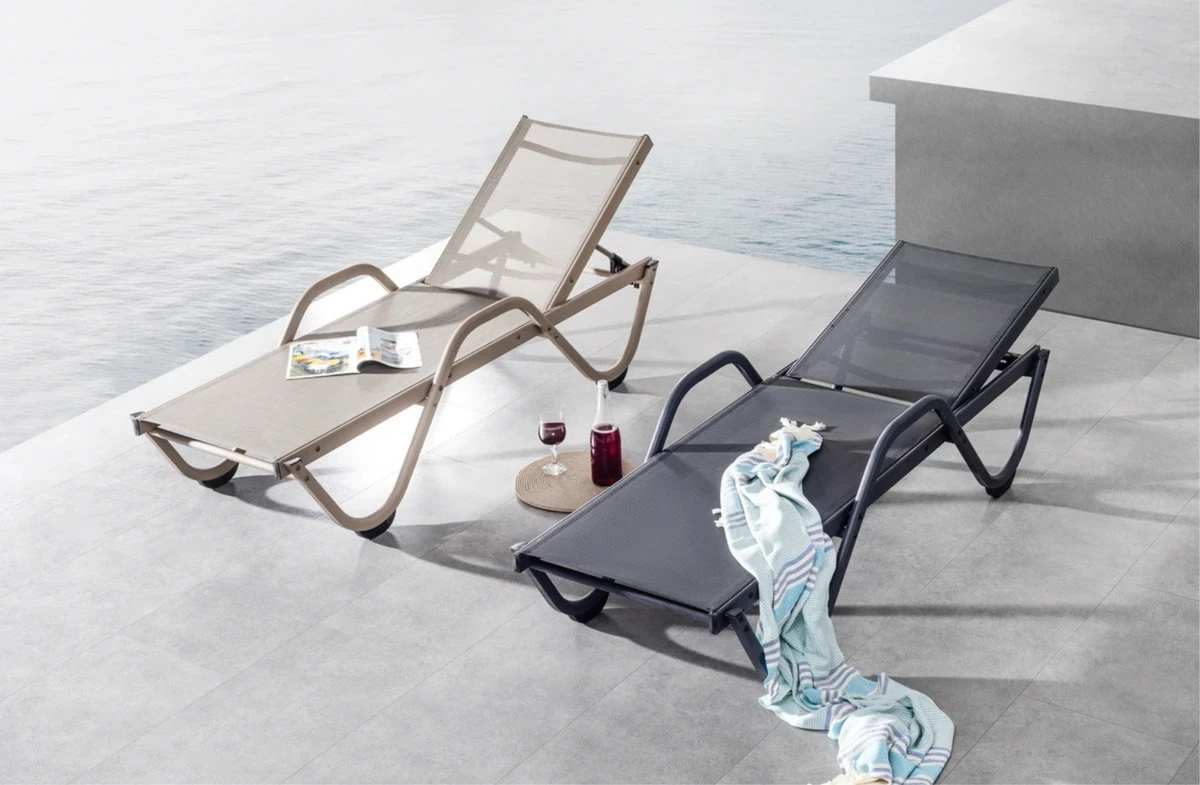
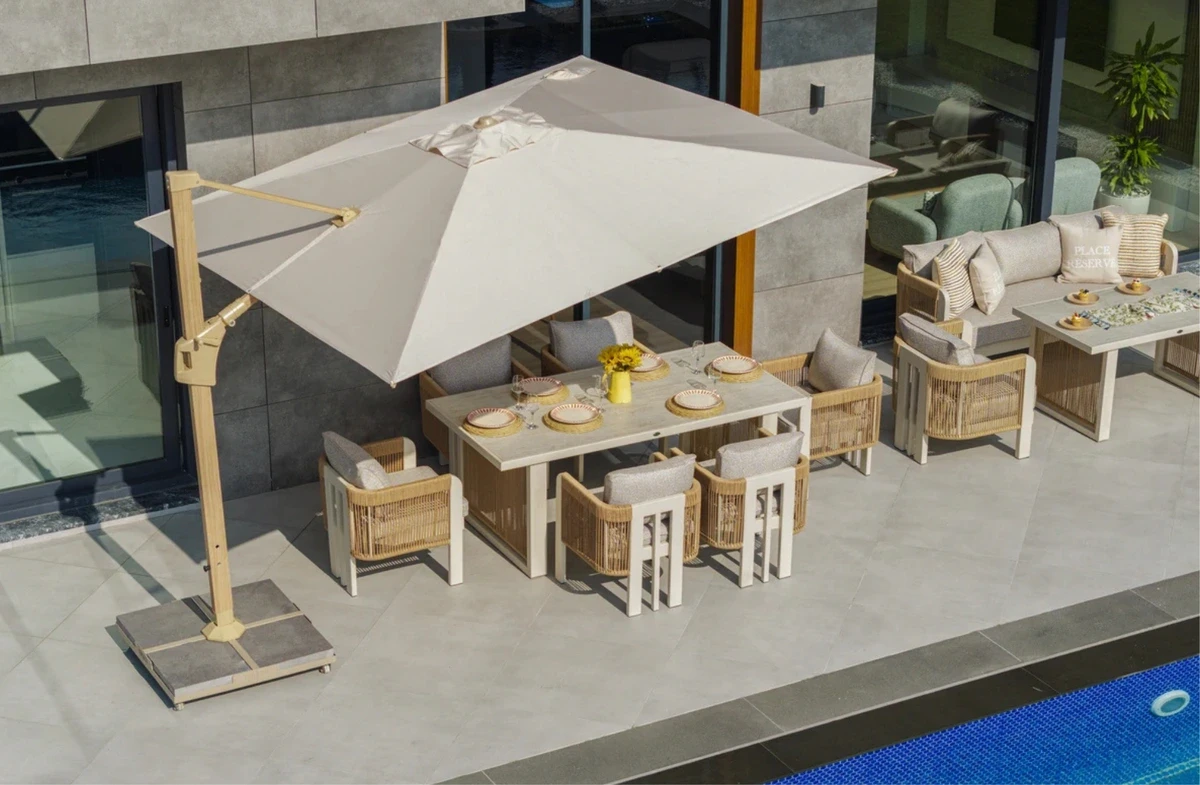
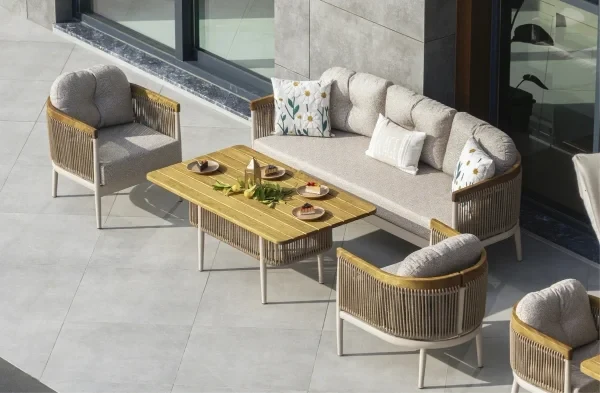
Garden dining sets used around midday can be positioned closer to sunny areas. A smaller corner that receives afternoon sun can be turned into a separate relaxation area with an armchair or sun lounger.
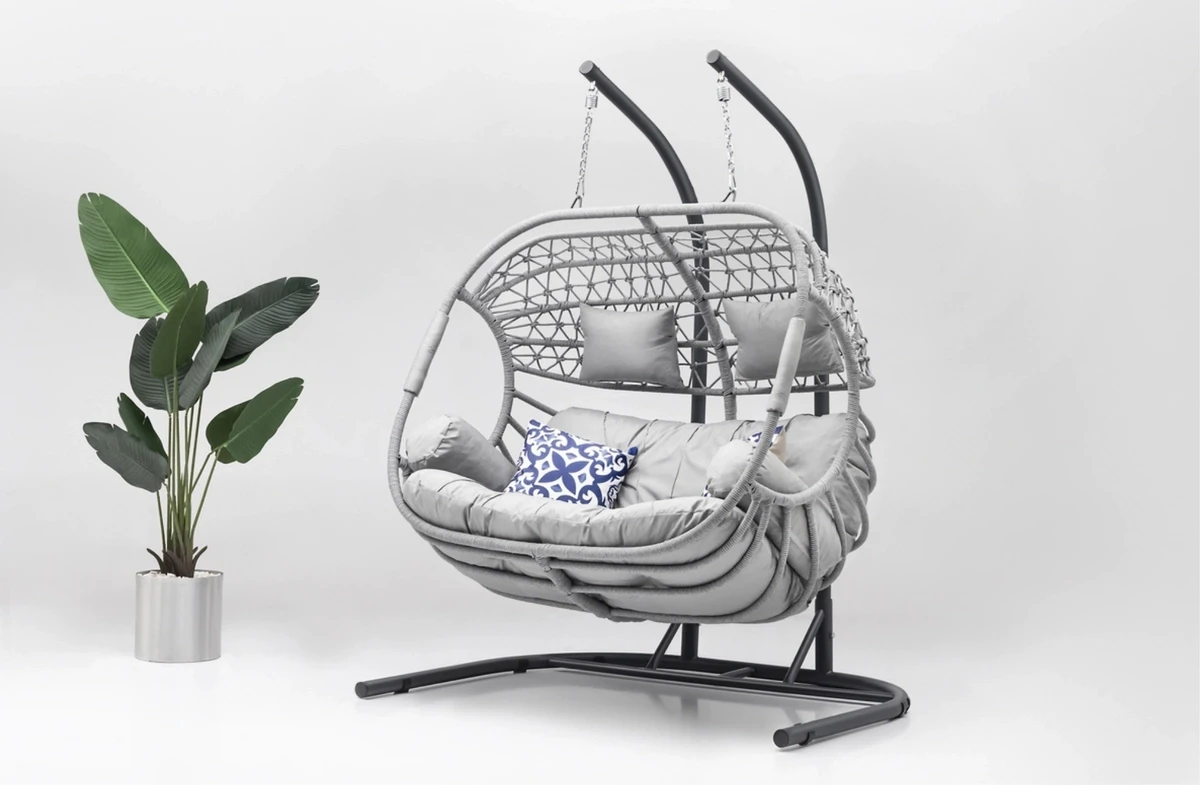
Another area where the wind is less noticeable can be reserved for a garden swing. This creates several seating options within the same garden or terrace that can be used at different times of the day.
Keep Walkways Clear After Rainfall
In autumn, furniture placement should take into account not only the distance between pieces of furniture but also how people will move through the space when rain begins.
Wet surfaces, fallen leaves, and cushions that need to be taken indoors can make movement more difficult, especially in compact areas.
The route between the seating area and the indoor space should be kept as short and unobstructed as possible. On narrow balconies, balcony furniture should not be positioned in a way that prevents doors from opening or makes it difficult to carry cushions indoors.
Being able to reach the door without first moving chairs or accessories when rain begins provides significant everyday convenience.
Prepare the Area for Use More Quickly After Rain
What matters more than the furniture getting wet is how quickly the surfaces and the ground dry after the rain stops. First, identify where water tends to accumulate in the garden or on the terrace.
The slope of the floor should not direct rainwater toward the seating area. Puddles around table and sofa legs take longer to dry and delay the return to normal use.
Plant pot bases, outdoor rugs, and decorative pieces that touch the ground can also cause water to remain in certain areas. The placement of these garden decoration elements can be reconsidered during periods of increased rainfall.
A water-repellent outdoor fabric does not mean that cushion filling will remain dry under all conditions. If prolonged rainfall is expected, cushions should be taken indoors.
Wet items should not be stacked or stored in areas without ventilation until they are completely dry.
A layout that allows cushions to be moved indoors within a few minutes makes sudden rainfall easier to manage. Having storage close to the seating area also prevents cushions from having to be carried long distances every time the weather changes.
Spend More Time on the Terrace in the Evening
Because it gets dark earlier in autumn, the amount of time spent on the terrace becomes more dependent on lighting.
Instead of illuminating the entire area with a single strong light source, it is more practical to consider the lighting requirements of each specific area.
The dining table requires enough light for eating and serving food. In the seating area, softer lighting that does not shine directly into the eyes can be more comfortable.
This means that the dining and relaxation areas do not need to use the same level of intense lighting.
It is also important to keep doors, steps, and walkways visible after dark. Positioning lighting according to the location of the furniture makes it easier to continue using the dining and seating areas after sunset.
In many cases, simply relocating existing light sources or moving the seating area closer to the lighting is enough without requiring a major decorative change.
Autumn Maintenance and Sustainability
In autumn, fallen leaves, short periods of rainfall, and increased humidity can cause water and organic debris to remain on furniture surfaces for longer periods.
Table surfaces, connection points, and wooden sections should be checked after rainfall, and leaves or standing water should be removed without delay.
Cushions should not be stored indoors before they are completely dry, and protective covers should not be placed over damp furniture.
Because temperature differences between day and night can cause condensation beneath covers, surfaces should be allowed to dry first.
Spending more time in the garden or on the terrace during autumn does not require completely changing the existing arrangement.
In most spaces, it is enough to identify sunny areas again, move the seating set to a more sheltered location, keep areas where rainwater collects clear, and maintain an accessible route for bringing cushions indoors.
Where the furniture is positioned and how well it adapts to changing weather conditions are just as important as the material from which it is made.
Instead of keeping the same arrangement throughout the entire season, making small adjustments according to changes in sunlight, wind, and rainfall can make gardens and terraces easier to use even on cooler days.
Frequently Asked Questions About Using Garden Furniture in Autumn
How can a terrace be kept warmer in autumn?
Move the seating area to a location that receives sunlight during the hours when the terrace is used most frequently and that is not directly exposed to the prevailing wind.
Walls, architectural elements, or sufficiently dense planting can help reduce the amount of wind reaching the seating area directly.
Where should a seating set be positioned on a windy terrace?
The seating set should be positioned so that it does not directly face the prevailing wind.
A section protected by the building can be preferred, while still leaving enough space between the furniture and the wall for cleaning and air circulation.
What are the most comfortable times to use a garden or terrace in autumn?
The most comfortable hours depend on the orientation of the space, the shadows created by surrounding buildings, and the wind.
Observing your garden or terrace for several days during the hours when you normally use it will help you determine when the conditions are most comfortable.
How can a terrace be made ready for use more quickly after rain?
Preventing rainwater from accumulating in the seating area and maintaining good air circulation helps the ground and furniture dry more quickly.
It is also important to check whether water is trapped beneath plant pots, rugs, or accessories that come into contact with the ground.
Should garden furniture be repositioned in autumn?
An area chosen in summer because it provides shade may become unnecessarily cold as the weather cools.
Moving furniture to a sunnier and more sheltered location can make spending time outdoors more comfortable, particularly in the afternoon.


-
 Turn Your Balcony into a Winter Garden with Garden Furniture: Step by Step Guide
21 September 2026 -
 Features of Iroko Groups in Wooden Garden and Balcony Furniture
21 September 2026 -
 What is Aluminum Garden and Balcony Furniture?
21 September 2026 -
 What is Rope Knitted Garden Furniture?
21 September 2026 -
 Outdoor Lighting and Furniture: How to Create the Right Balance
21 September 2026 -
 Outdoor Furniture Cleaning Guide: How to Keep It Looking Like New
21 September 2026 -
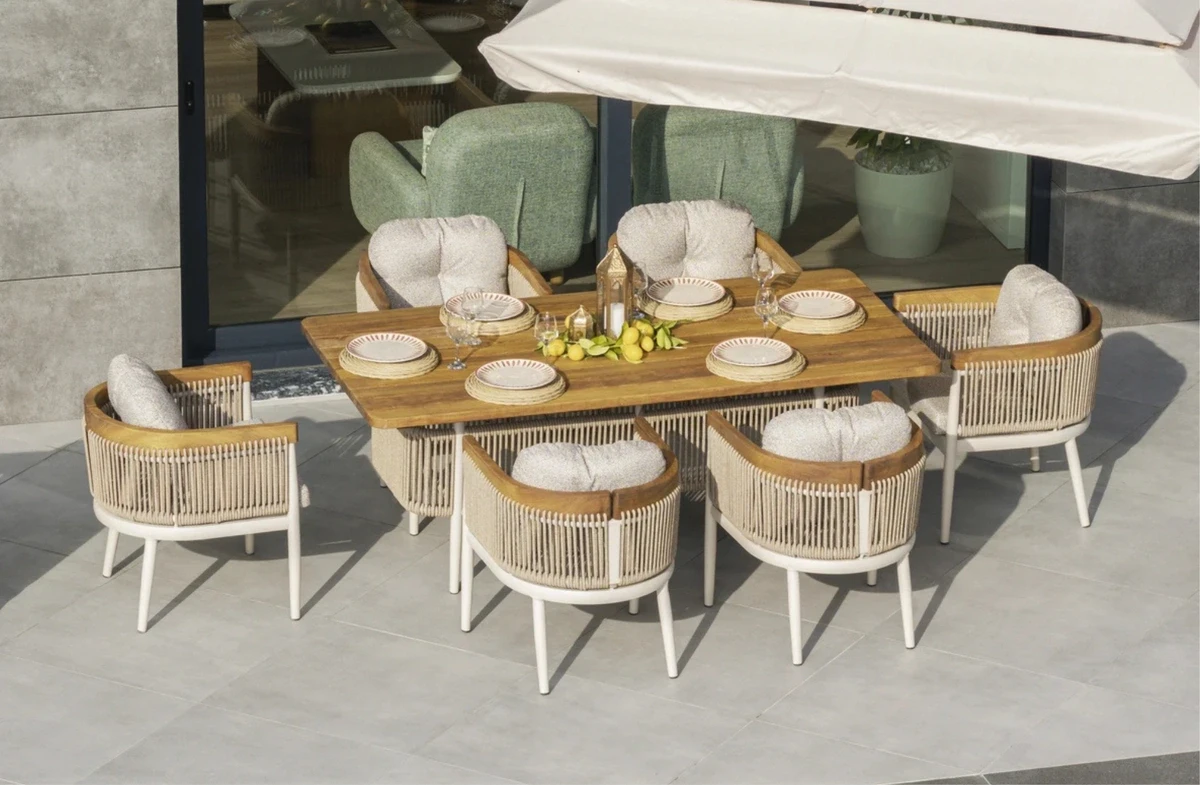 Outdoor Seating Layout Guide for Large Terraces
21 September 2026 -
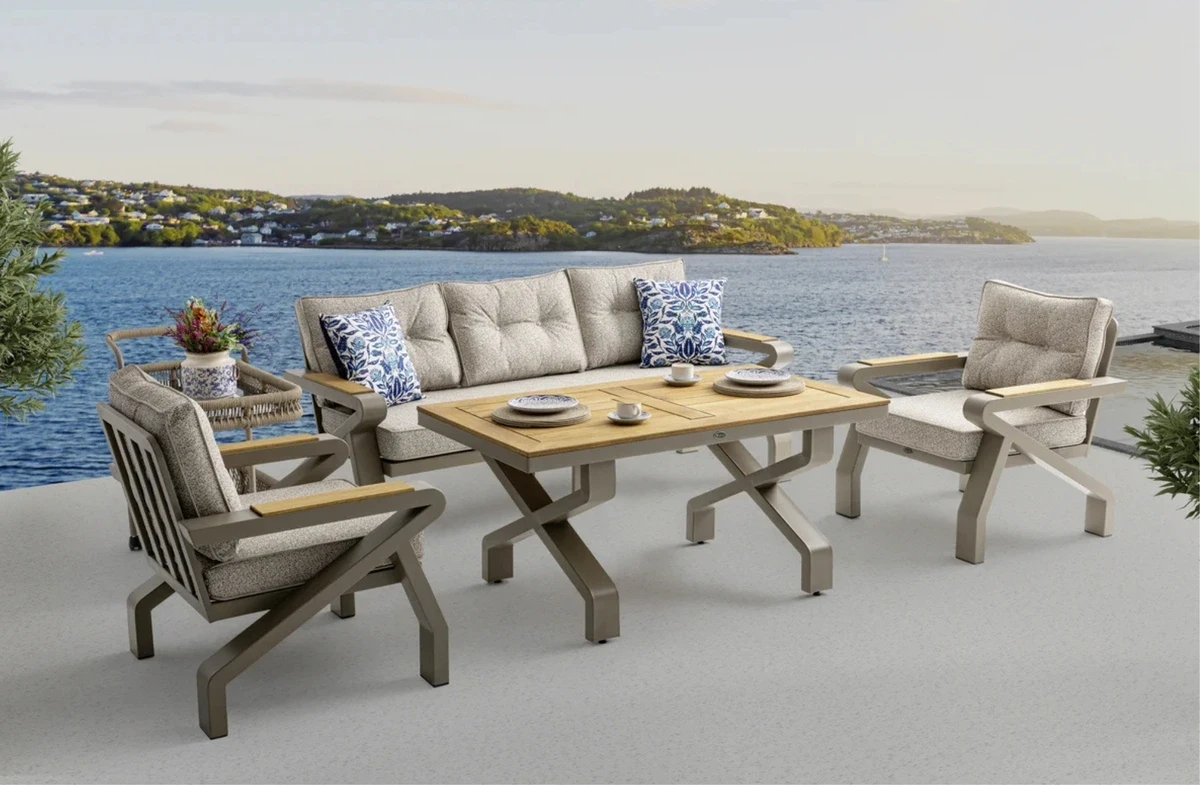 Why Is Aluminum Preferred for Outdoor Furniture?
21 September 2026 -
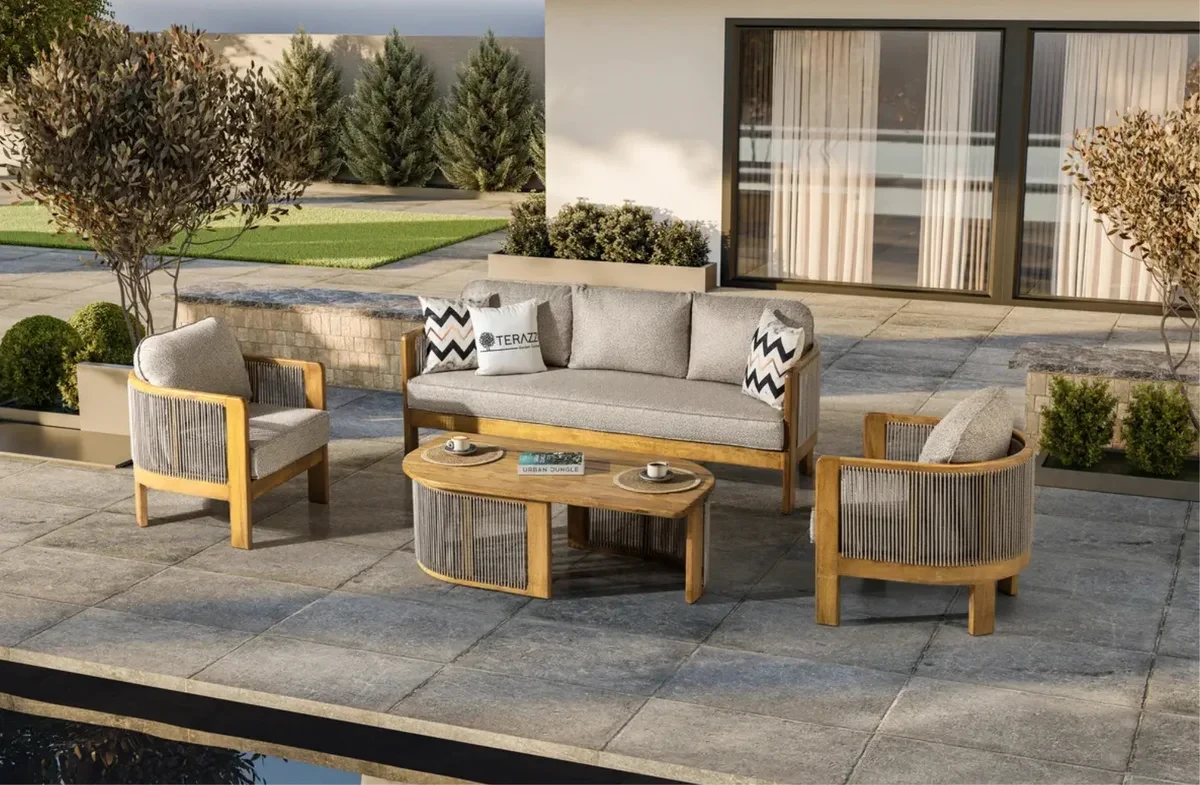 Villa Garden Decoration Ideas and 2026 Design Trends
21 September 2026 -
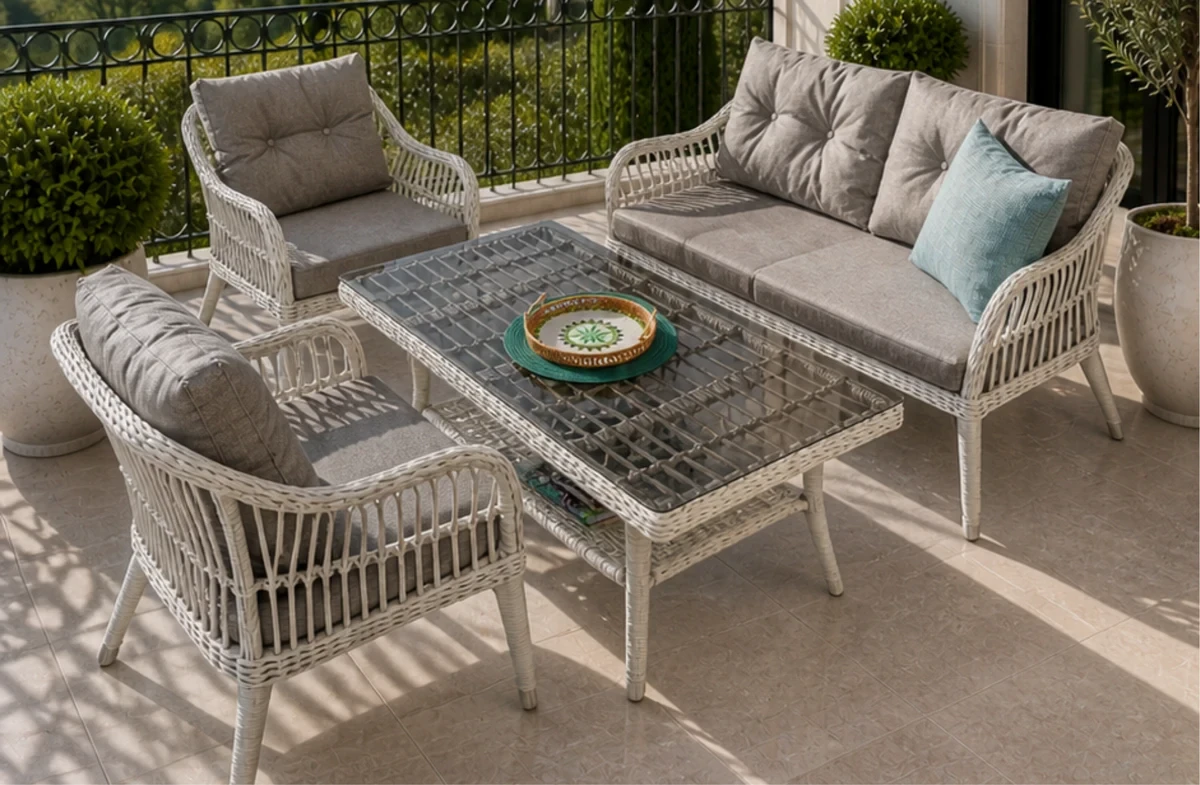 Choosing Outdoor Furniture for Hotels and Restaurants
21 September 2026 -
 Decorating Ideas for Small Balconies: A Guide to Measurements, Materials, and Placementi
21 September 2026 -
 Differences Between Iroko and Teak Wood: Which is More Sensible for Garden Furniture?
21 September 2026 -
 What is the difference between rattan and bamboo furniture?
21 September 2026 -
 What should you pay attention to when choosing a garden or balcony umbrella?
21 September 2026 -
 Cushion and Fabric Choices for Outdoor Furniture: Waterproof, Durable, and Comfortable Options!
21 September 2026 -
 Sun Loungers and Sunbeds: A Comfortable Guide for Poolside Use
21 September 2026 -
 Outdoor Dining Table Dimensions: How Much Space Do You Need?
21 September 2026 -
 2026's Popular Garden Furniture Collections
21 September 2026 -
 Which Garden Furniture Can Stay Outside All Year Round?
21 September 2026 -
 Garden Furniture Color Selection: How to Create an Outdoor Palette?
21 September 2026 -
 Terazzi Garden Furniture in the TV Series “Muhtemel Aşk”
21 September 2026 -
 Garden Furniture Trends: Sustainable Materials and Recyclable Designs
21 September 2026