














Differences Between Iroko and Teak Wood: Which is More Sensible for Garden Furniture?
Although iroko and teak are used in similar outdoor furniture products, they do not perform exactly the same in terms of moisture resistance, sun exposure, maintenance requirements, and surface aging. Teak has a high natural oil content, which helps slow down the penetration of water into the wood fibers and allows it to remain relatively stable outdoors. Iroko stands out for its dense fiber structure and strong structural properties, but regular surface maintenance is more important for long-term use.
The same wood can age differently depending on its environment. A piece exposed continuously to sunlight and water around a swimming pool will behave differently from one placed beneath a pergola on a well-ventilated terrace. For this reason, choosing wood for garden decoration should not be based only on color or price. Exposure time, surface drainage, whether the product will be used in a controlled area such as a balcony or terrace, and the expected maintenance routine should all be considered together.
What Is the Main Difference Between Iroko and Teak?
The most important difference between these two wood species is their natural oil content. Teak contains a high level of natural oils that create a strong barrier against moisture and water. This structure reduces rapid water absorption after rain and helps the wood respond more consistently to sudden changes in humidity.
Iroko has a dense and hard fiber structure but contains less natural oil than teak. For this reason, outdoor wood oil plays a more important role in maintaining the moisture balance of iroko furniture. Properly dried and correctly treated iroko can provide long-term performance in outdoor furniture, but if maintenance is delayed, its surface may become dull more quickly than teak.
| Criterion | Iroko Wood | Teak Wood |
|---|---|---|
| Natural oil content | Medium | High |
| Moisture resistance | Improves with maintenance | Naturally strong |
| Maintenance requirement | Requires regular maintenance | Longer maintenance intervals |
| Color change | Darkening and dulling may occur | May develop a silver-gray patina |
| Outdoor use | Requires protection | Well suited to exposed outdoor areas |
| Cost | Generally more economical | Usually in a higher price range |
| Best suited for | Verandas, pergolas, protected gardens | Open gardens, poolside areas, coastal environments |
How Does Iroko Perform in Outdoor Furniture?
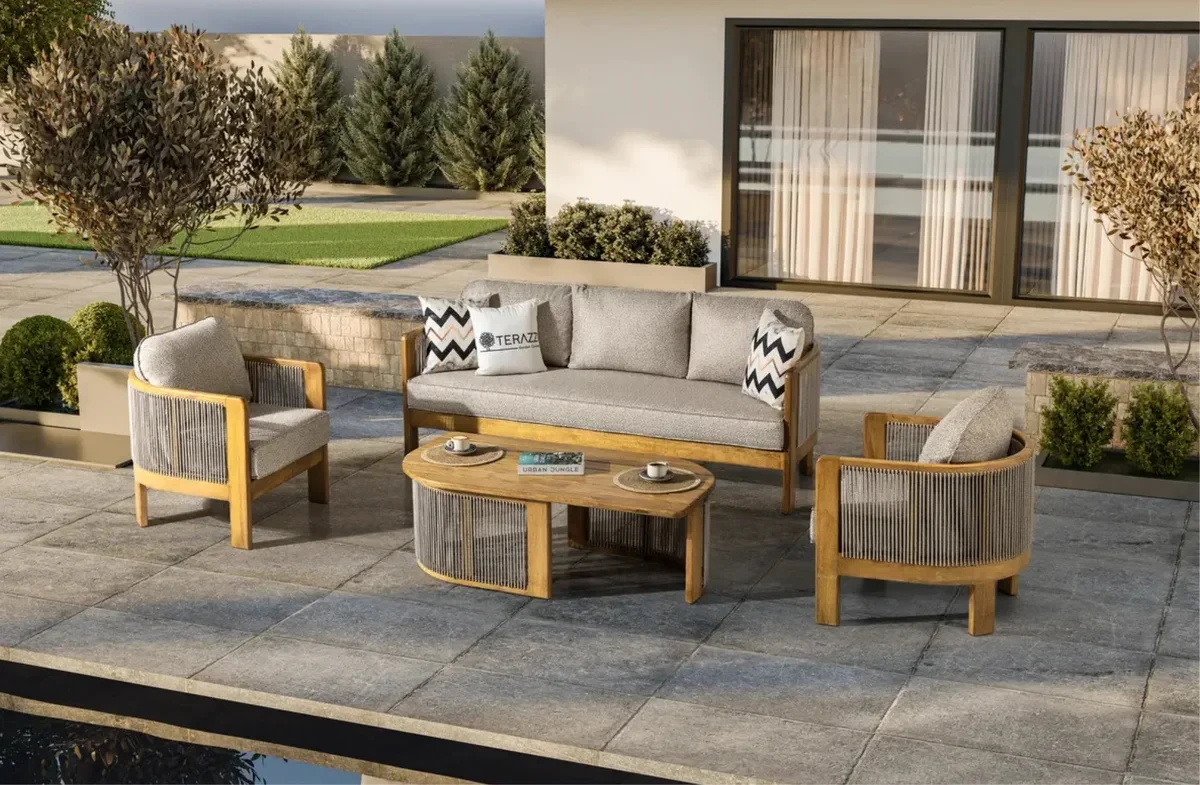
Iroko can be used as a dense hardwood for frames, legs, armrests, tabletops, and other structural elements in outdoor furniture. Its strong mechanical properties make it suitable for products such as outdoor dining sets, seating modules, benches, coffee tables, and swings.
The critical factor with iroko is surface protection. If the furniture remains directly exposed to rain, the protective oil layer can weaken more quickly. If water droplets are absorbed into the wood within a short period, the protective surface layer may have become too thin. In this case, a suitable outdoor wood oil should be reapplied.
Pergola-covered terraces, verandas, semi-enclosed balconies, and protected gardens provide more controlled conditions for iroko furniture. Because the wood is not constantly exposed to direct rain and intense UV radiation, the aging process is generally more balanced.
Note: The lifespan of iroko furniture is not determined by the wood alone. Legs that trap water, corrosion-prone fasteners, and neglected surface maintenance can reduce the performance of even well-processed timber.
Why Is Teak Considered Durable for Outdoor Furniture?
When it comes to outdoor use, teak is known for its naturally oily structure, which slows down moisture penetration. These natural oils act as a protective barrier within the wood fibers and help reduce the risk of swelling, raised grain, and uneven surface deterioration.
Teak is particularly suitable for poolside areas, open gardens, and locations near the sea. In environments where sunlight, rain, and humidity are present at the same time, it generally maintains stable surface performance. This makes teak a low-maintenance option for outdoor furniture that remains outside throughout the year.
Over time, teak furniture may develop a silver-gray surface patina. This does not mean the wood is rotting. It is a natural color change caused by exposure to sunlight and air. If the original brown tone is preferred, the surface should be cleaned, allowed to dry completely, and treated with a suitable teak oil.
Which Is More Durable: Iroko or Teak?
For fully exposed areas that receive intense sunlight, frequent rain, or salty coastal air, teak is generally the more durable choice. Its higher natural oil content allows it to remain more stable under changing outdoor conditions.
Iroko is also a strong and durable hardwood, but its long-term performance is more closely linked to regular maintenance. If the surface is inspected at the beginning and end of the season and outdoor oil is renewed when necessary, iroko can remain in use for many years. When maintenance is neglected, surface dryness, uneven color, and dullness may appear sooner than with teak.
For this reason, the answer to “Is iroko or teak better?” depends on the intended use. For fully exposed areas and lower maintenance expectations, teak is generally more suitable. For protected areas where regular maintenance can be carried out, iroko can be a practical choice.
Should You Choose Iroko or Teak for Garden, Terrace, and Balcony Furniture?
Teak offers advantages in open gardens and around swimming pools. Its naturally oily structure provides dependable performance for sun loungers, large dining tables, relaxation chairs exposed to direct sunlight, and other frequently used outdoor products.
If the furniture will be positioned beneath a pergola or in a semi-covered area, iroko can be considered as part of the terrace design. Because rain and sun exposure are more limited in these locations, regular maintenance can help maintain strong long-term performance.
The choice between iroko and teak should therefore be based not only on color compatibility but also on sun orientation, floor drainage, and whether the furniture will need to be moved.
Dimensions and weight are also important when choosing balcony furniture. Heavy furniture with thick wooden frames can make small balconies feel more restricted. When manufactured with balanced proportions, iroko can provide a functional solution for compact balconies and narrow terraces. On larger, fully exposed balconies, teak may reduce maintenance requirements.
How Should Iroko and Teak Be Selected According to Furniture Type?
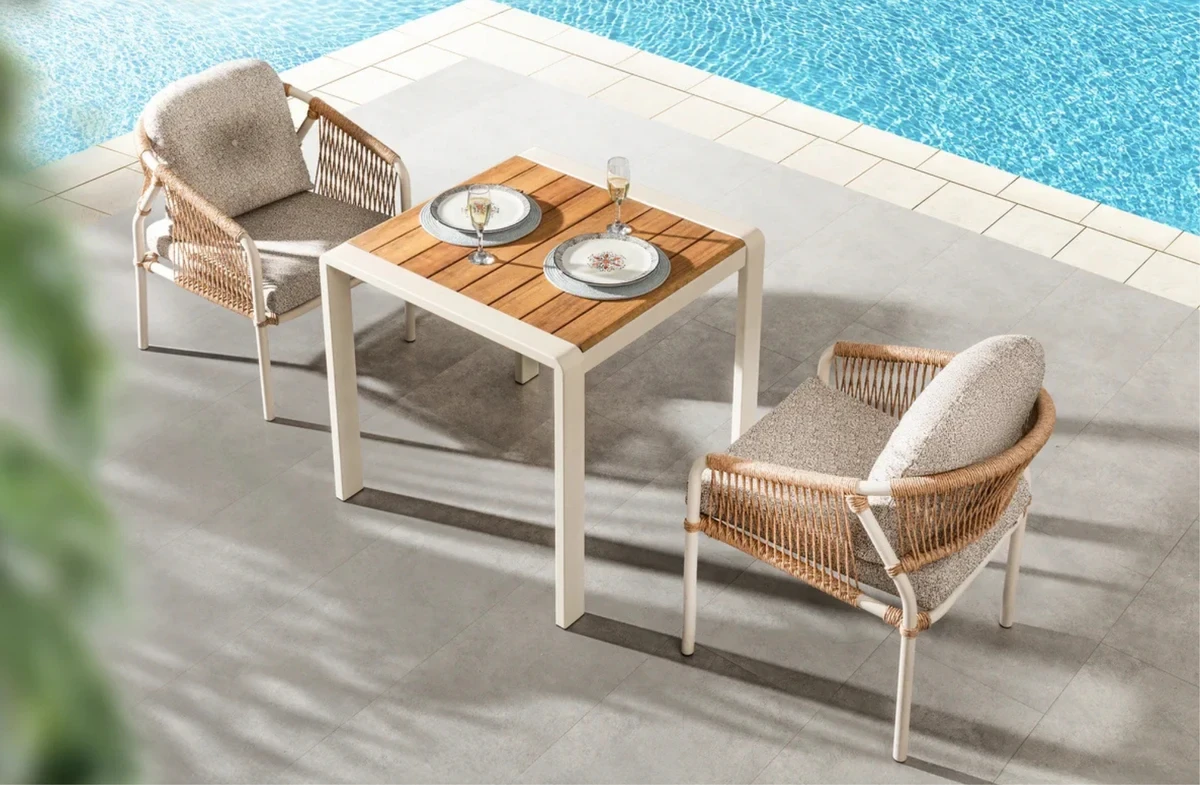
For furniture with large horizontal surfaces, particularly outdoor dining tables and dining sets, tabletop behavior is important. These surfaces are frequently exposed to glasses, food stains, rainwater, and direct sunlight. Teak offers lower maintenance requirements in fully exposed areas. If iroko is selected, the protective surface oil should be renewed regularly.
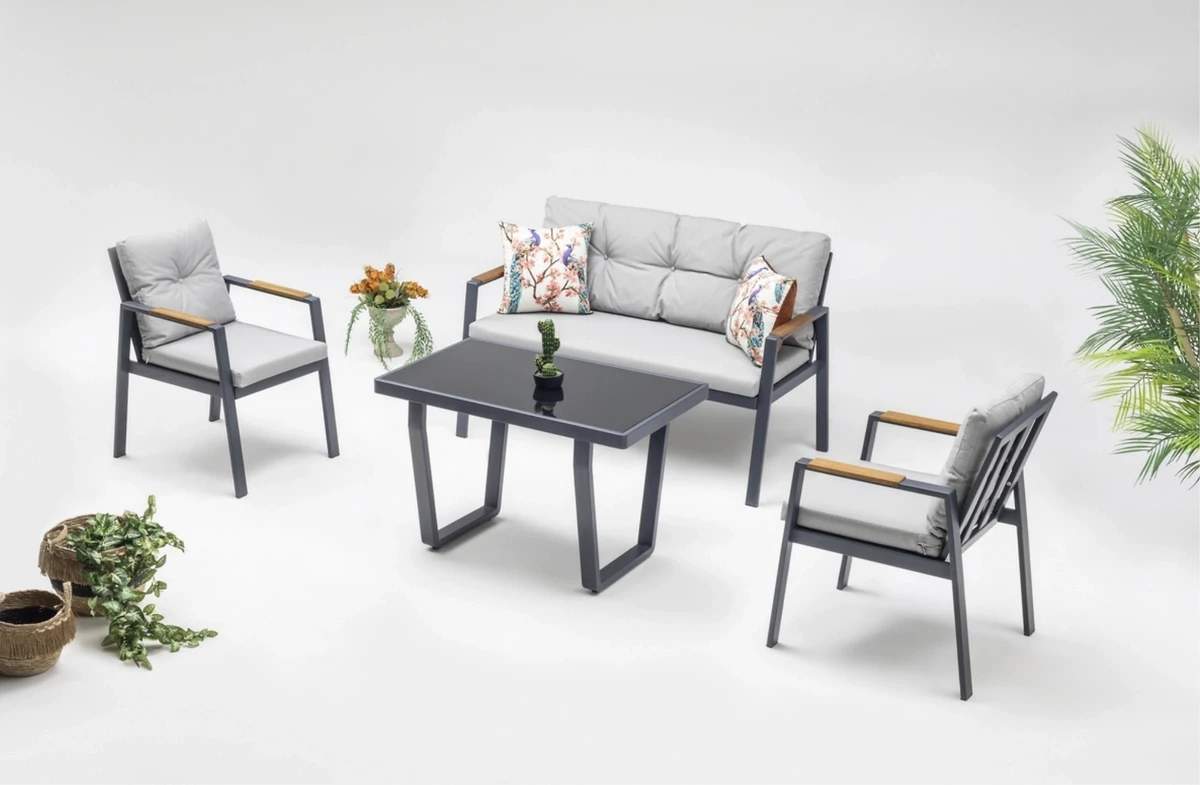
For seating products such as outdoor seating groups, armchairs, corner sets, and complementary tables, cushion systems and connection details are just as important as the wooden frame itself. Fabric UV stability, foam density, and stitching quality can directly affect the overall service life of furniture with either iroko or teak frames.
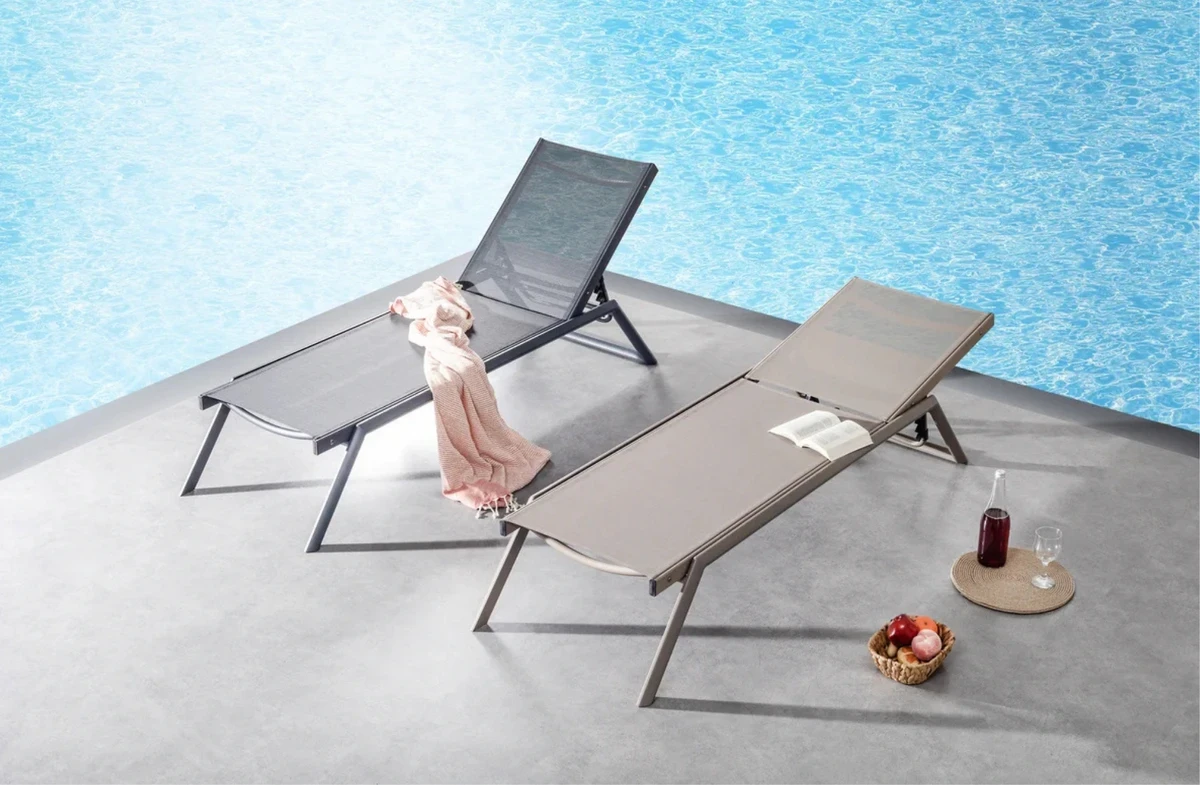
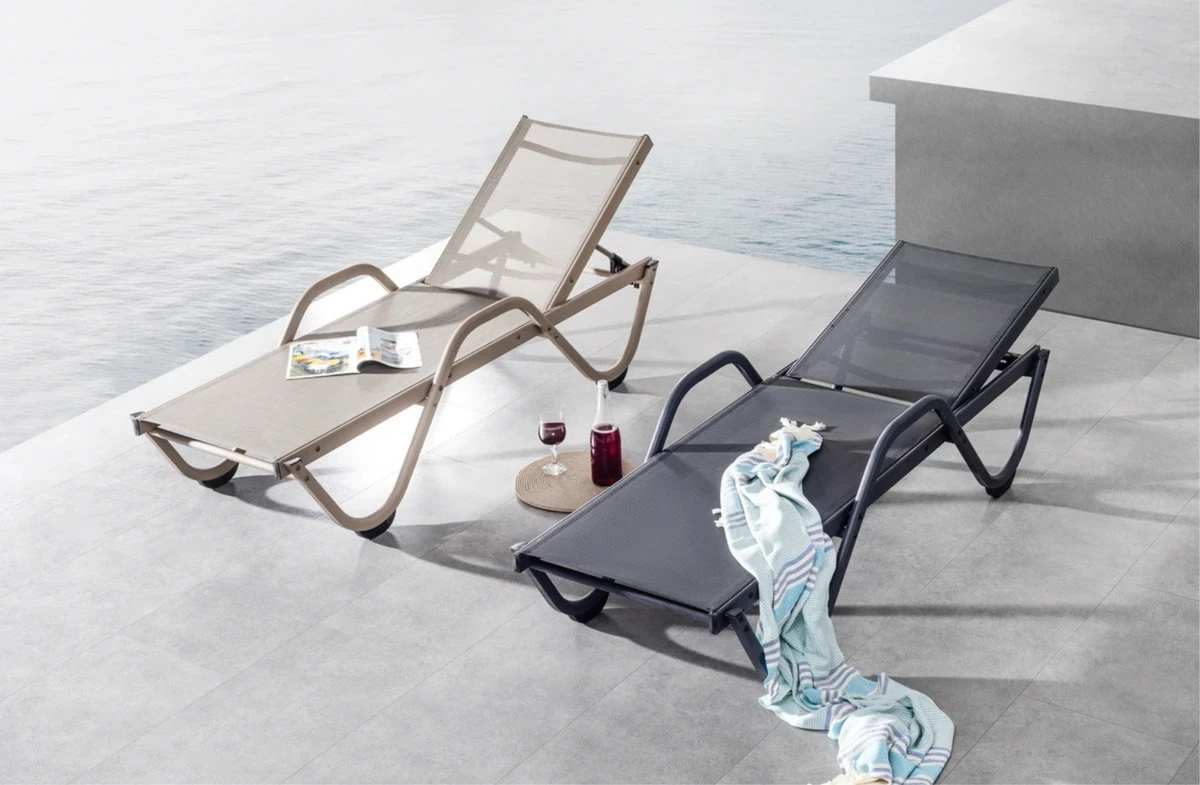
Material selection is especially important for sunbeds and relaxation furniture with horizontal surfaces exposed to strong sunlight. Teak is a practical choice around swimming pools or in areas that remain fully exposed. On protected terraces, iroko furniture should be checked periodically for surface dryness and oil maintenance.
For compact products sold by Terazzi, particularly pieces designed for balconies and narrow terraces, dimensions, weight, and ease of placement become key considerations. Teak can be suitable for furniture that remains fully exposed, while iroko can be a manageable option beneath pergolas, on verandas, or in areas where regular maintenance can be carried out.
How Should Iroko and Teak Furniture Be Maintained?
Regular maintenance is particularly important for iroko furniture. When the surface begins to look dull, absorbs water quickly, or develops uneven coloring, suitable outdoor wood oil should be reapplied. Lukewarm water, a soft brush, and a pH-balanced cleaner are generally sufficient for routine cleaning.
Maintenance can be more flexible with teak. If the silver-gray patina is acceptable, frequent oiling is not necessary. If the original brown tone is preferred, the surface should be cleaned, dried completely, and treated with teak oil.
High-pressure water should be avoided on both types of wood. Pressure washing can raise the wood fibers and cause the surface to collect dirt more easily. During winter, breathable protective covers should be preferred over completely airtight plastic covers.
Checklist for Choosing Iroko or Teak Outdoor Furniture
The outdoor lifespan of wood depends not only on the species but also on drying quality, surface treatment, connection details, and whether the furniture legs allow water to drain away. For this reason, both the manufacturing quality and intended use should be evaluated before purchasing.
- Choose teak if the product will remain fully exposed throughout the year.
- Consider iroko for pergola-covered terraces, verandas, or protected gardens where maintenance can be performed regularly.
- Check surface protection carefully on large tabletops because they are more exposed to water and stains.
- Teak can provide an advantage for sun loungers and poolside furniture because horizontal surfaces receive more direct sunlight.
- For swings, check the connection system, load capacity, and corrosion resistance.
- For balcony furniture, consider dimensions, weight, and ease of placement together with the wood type.
- For cushioned furniture, prefer UV-resistant fabrics and easy-to-clean surfaces.
- Ask about kiln drying and outdoor surface treatment before purchasing.
Frequently Asked Questions About Iroko and Teak Wood
Can iroko wood be used outdoors?
Yes. Iroko can be used outdoors, but because it contains less natural oil than teak, regular protective oil maintenance and appropriate placement are more important.
Why is teak considered durable?
Teak is considered durable largely because of its high natural oil content. These oils help slow water penetration into the wood fibers and contribute to stable performance under outdoor conditions.
Which is more expensive, iroko or teak?
Teak is generally more expensive than iroko. This is influenced by its natural oil content, outdoor performance, sourcing, availability, and processing costs.
Why does teak furniture turn gray?
Exposure to sunlight and air gradually creates a silver-gray patina on teak furniture. This is a natural surface color change and does not mean that the wood is decaying.
Is iroko a good choice for garden furniture?
Iroko can be a practical choice for furniture used in protected areas where regular maintenance can be carried out. For fully exposed areas, poolside environments, or locations with high moisture levels, teak generally offers lower maintenance requirements.


-
 Turn Your Balcony into a Winter Garden with Garden Furniture: Step by Step Guide
15 May 2026 -
 Features of Iroko Groups in Wooden Garden and Balcony Furniture
15 May 2026 -
 What is Aluminum Garden and Balcony Furniture?
15 May 2026 -
 What is Rope Knitted Garden Furniture?
15 May 2026 -
 Outdoor Lighting and Furniture: How to Create the Right Balance
15 May 2026 -
 Outdoor Furniture Cleaning Guide: How to Keep It Looking Like New
15 May 2026 -
 Outdoor Seating Layout Guide for Large Terraces
15 May 2026 -
 Why Is Aluminum Preferred for Outdoor Furniture?
15 May 2026 -
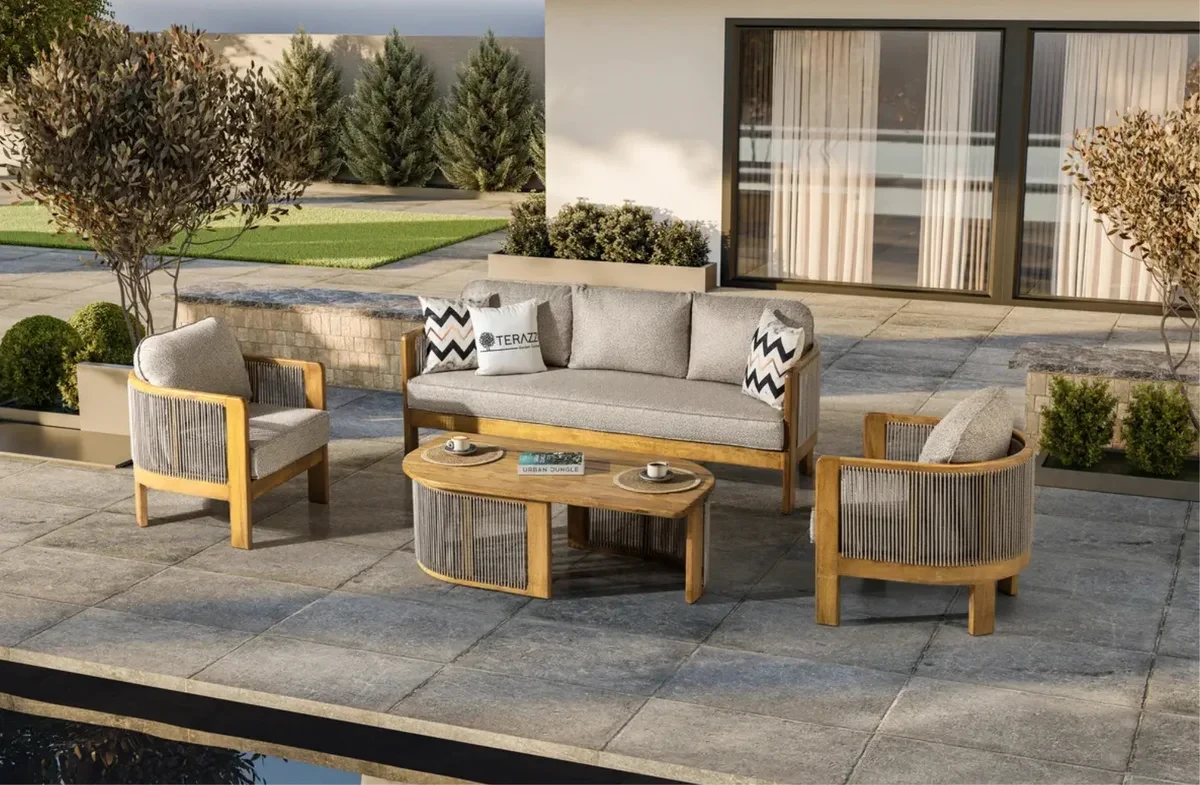 Villa Garden Decoration Ideas and 2026 Design Trends
15 May 2026 -
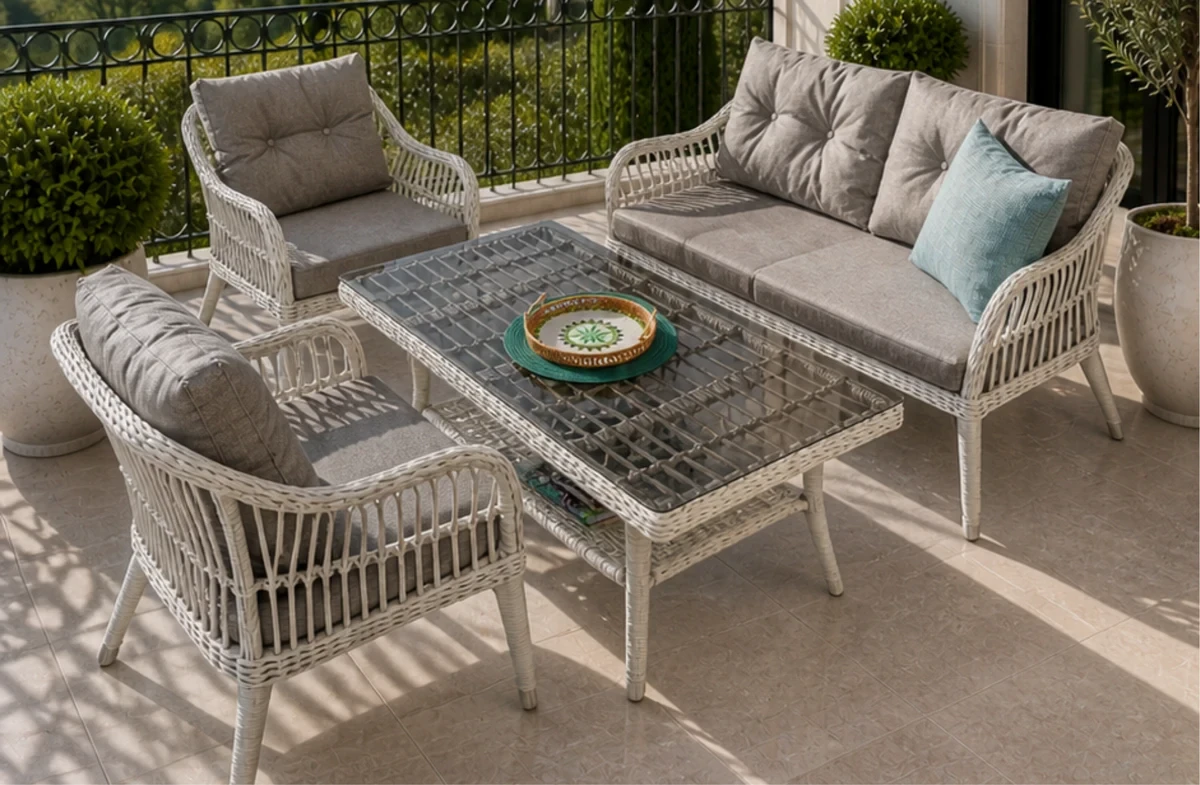 Choosing Outdoor Furniture for Hotels and Restaurants
15 May 2026 -
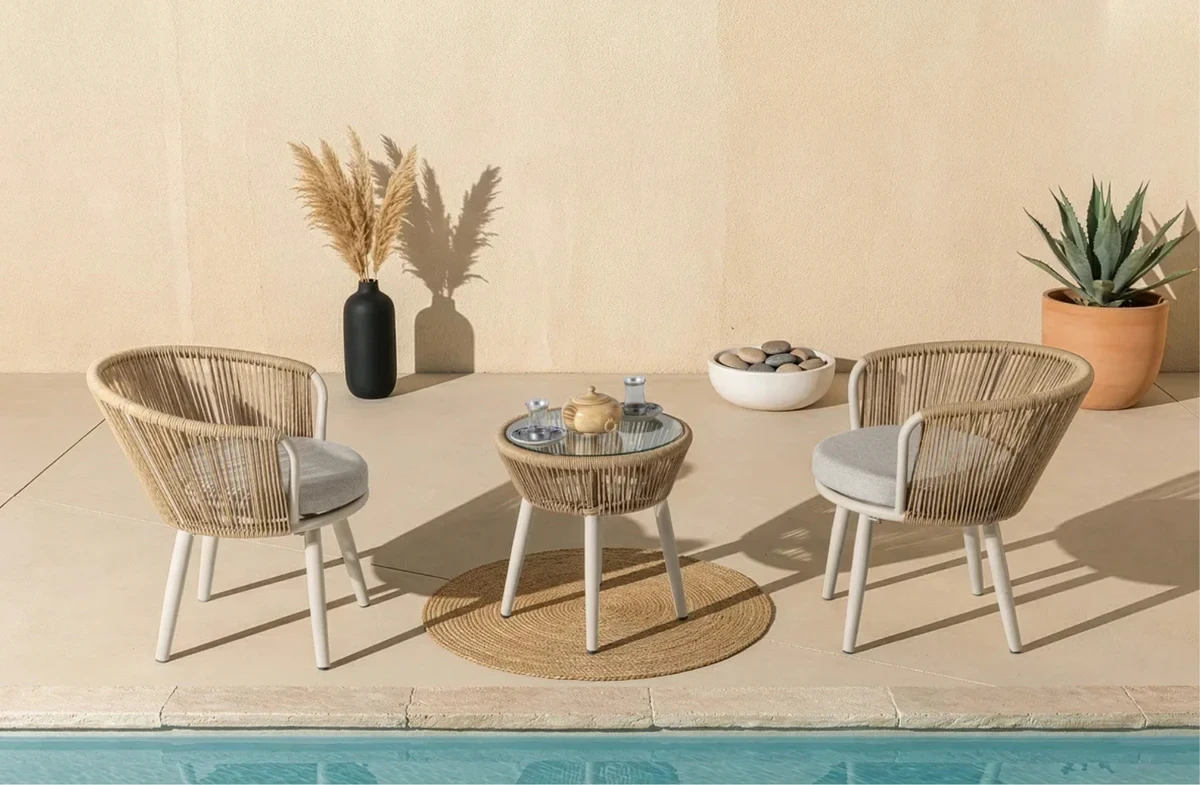 Decorating Ideas for Small Balconies: A Guide to Measurements, Materials, and Placementi
15 May 2026 -
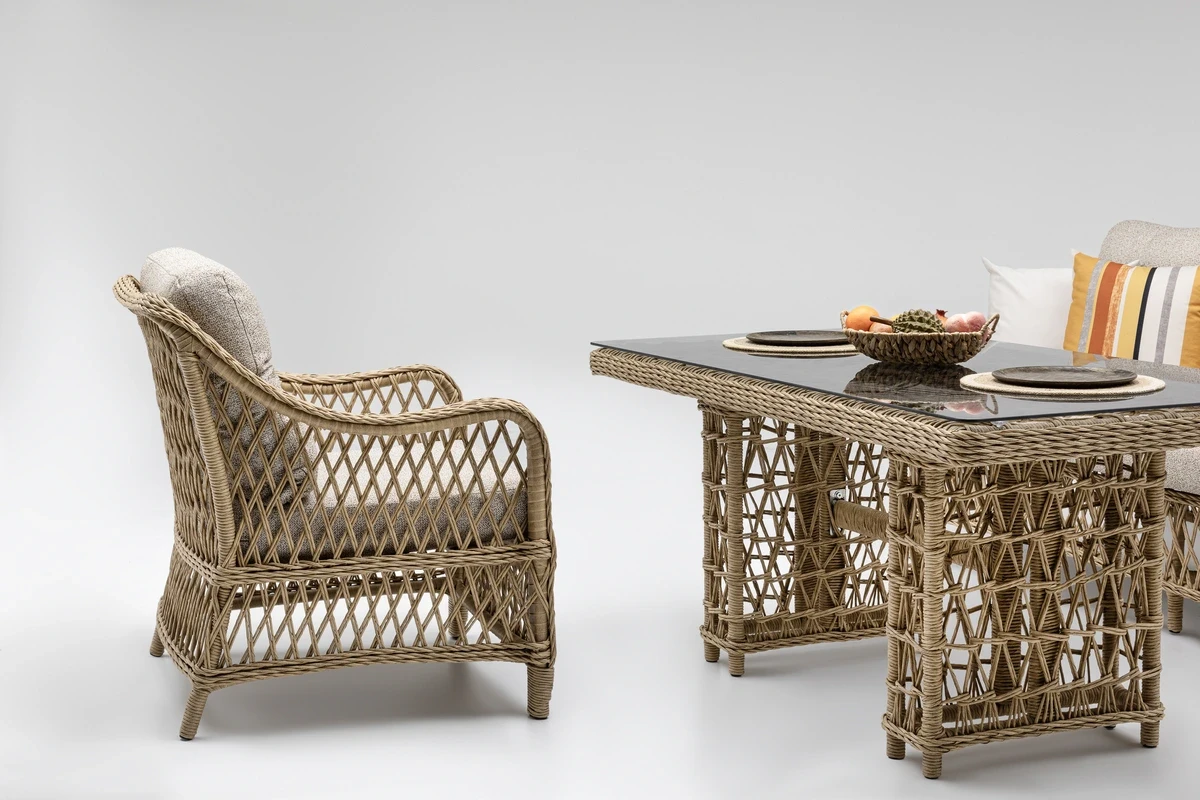 What is the difference between rattan and bamboo furniture?
15 May 2026 -
 What should you pay attention to when choosing a garden or balcony umbrella?
15 May 2026 -
 Cushion and Fabric Choices for Outdoor Furniture: Waterproof, Durable, and Comfortable Options!
15 May 2026 -
 Sun Loungers and Sunbeds: A Comfortable Guide for Poolside Use
15 May 2026 -
 Outdoor Dining Table Dimensions: How Much Space Do You Need?
15 May 2026 -
 2026's Popular Garden Furniture Collections
15 May 2026 -
 Which Garden Furniture Can Stay Outside All Year Round?
15 May 2026 -
 Garden Furniture Color Selection: How to Create an Outdoor Palette?
15 May 2026 -
 Terazzi Garden Furniture in the TV Series “Muhtemel Aşk”
15 May 2026 -
 Garden Furniture Trends: Sustainable Materials and Recyclable Designs
15 May 2026 -
 Ways to Use Your Garden and Terrace for Longer in Autumn
15 May 2026