













Why Is Aluminum Preferred for Outdoor Furniture?
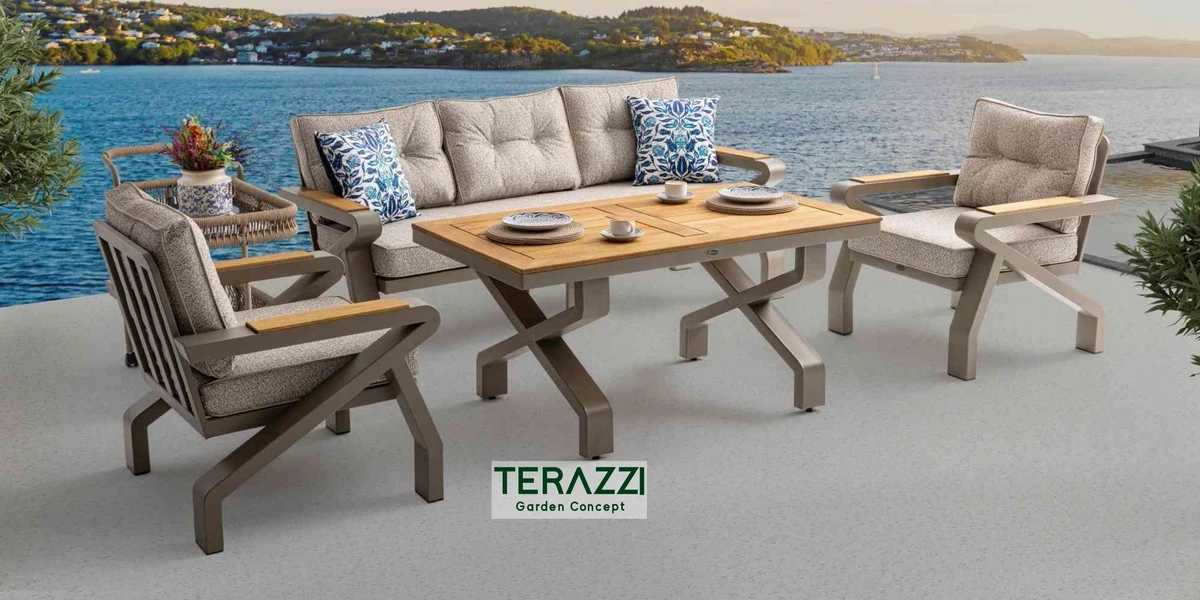
Furniture used in outdoor spaces is continuously exposed to changing weather conditions throughout the year, including rain, sunlight, humidity, and temperature fluctuations. For this reason, the materials used in furniture designed for gardens, balconies, and terraces directly affect how long the products can maintain their durability and performance.
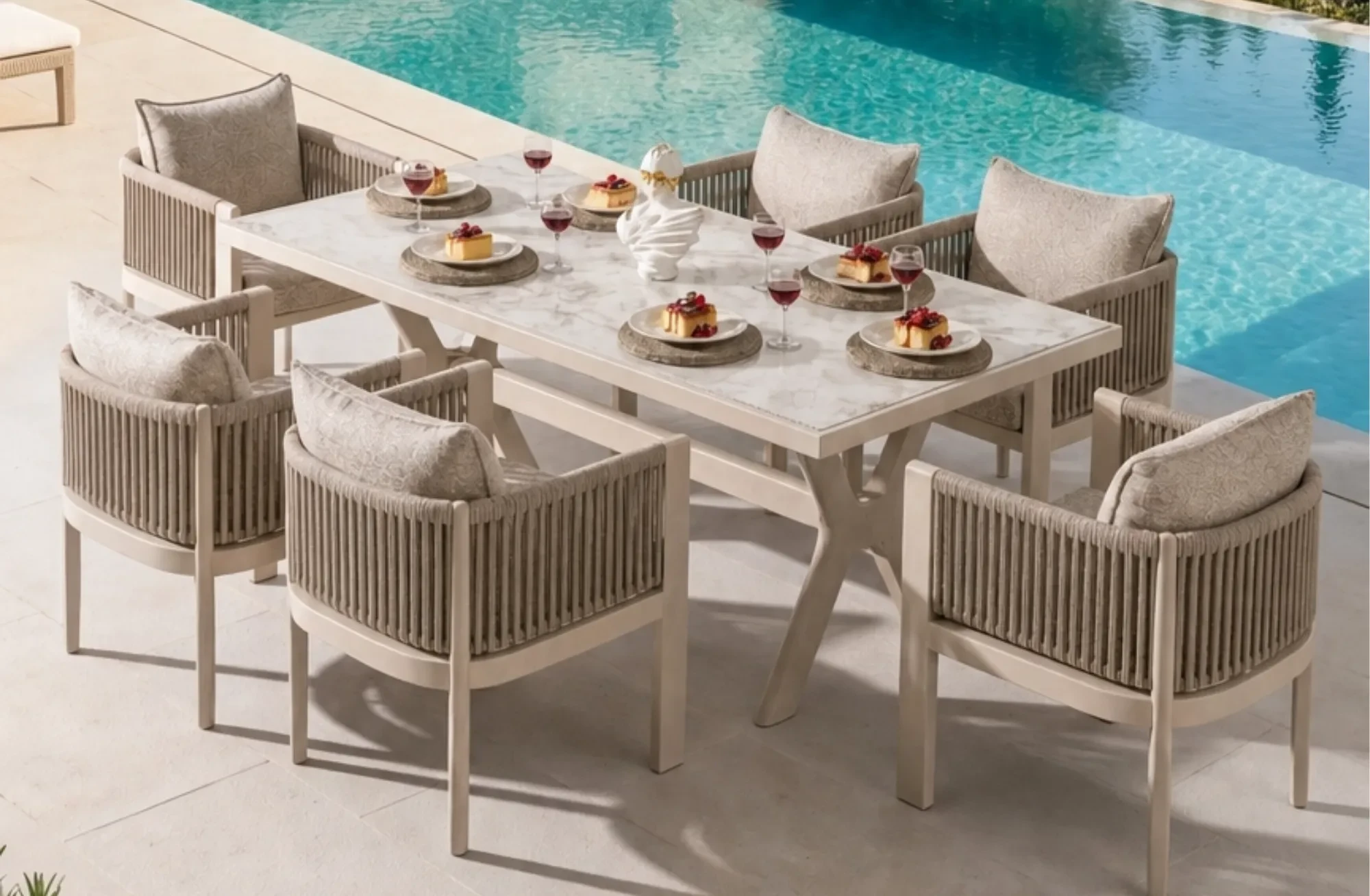
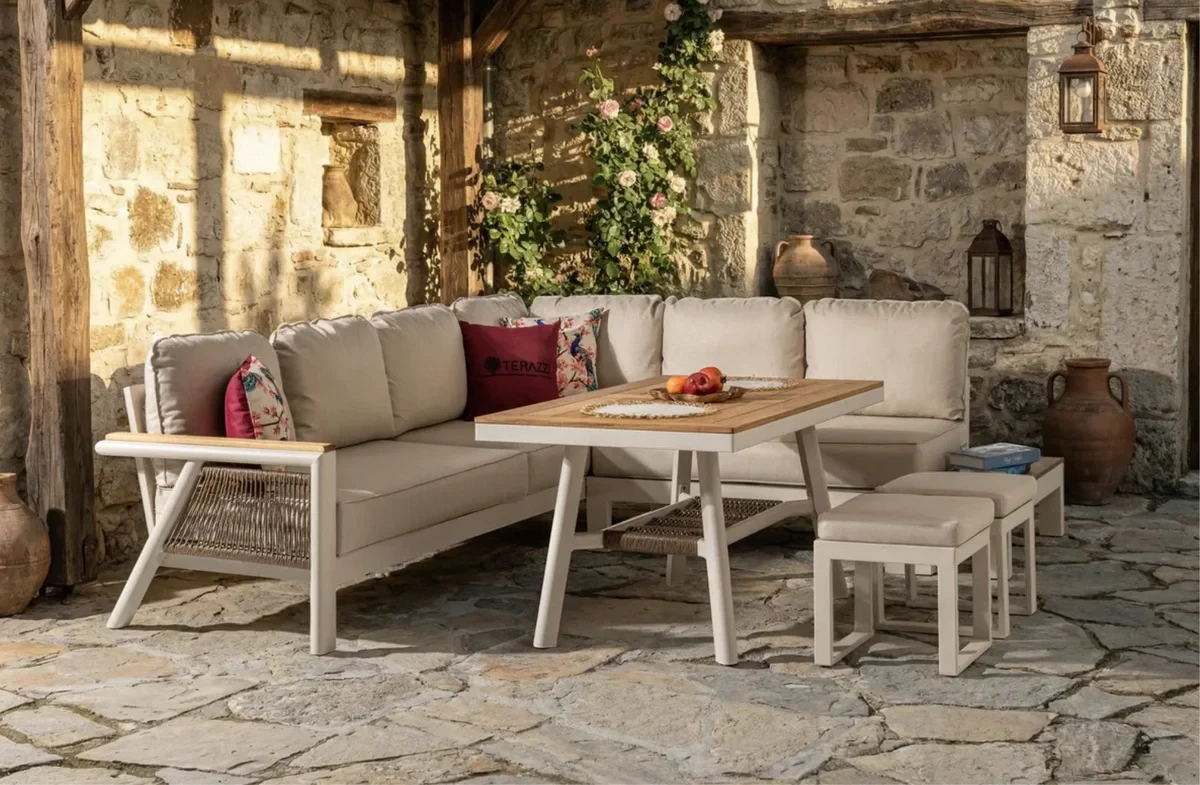
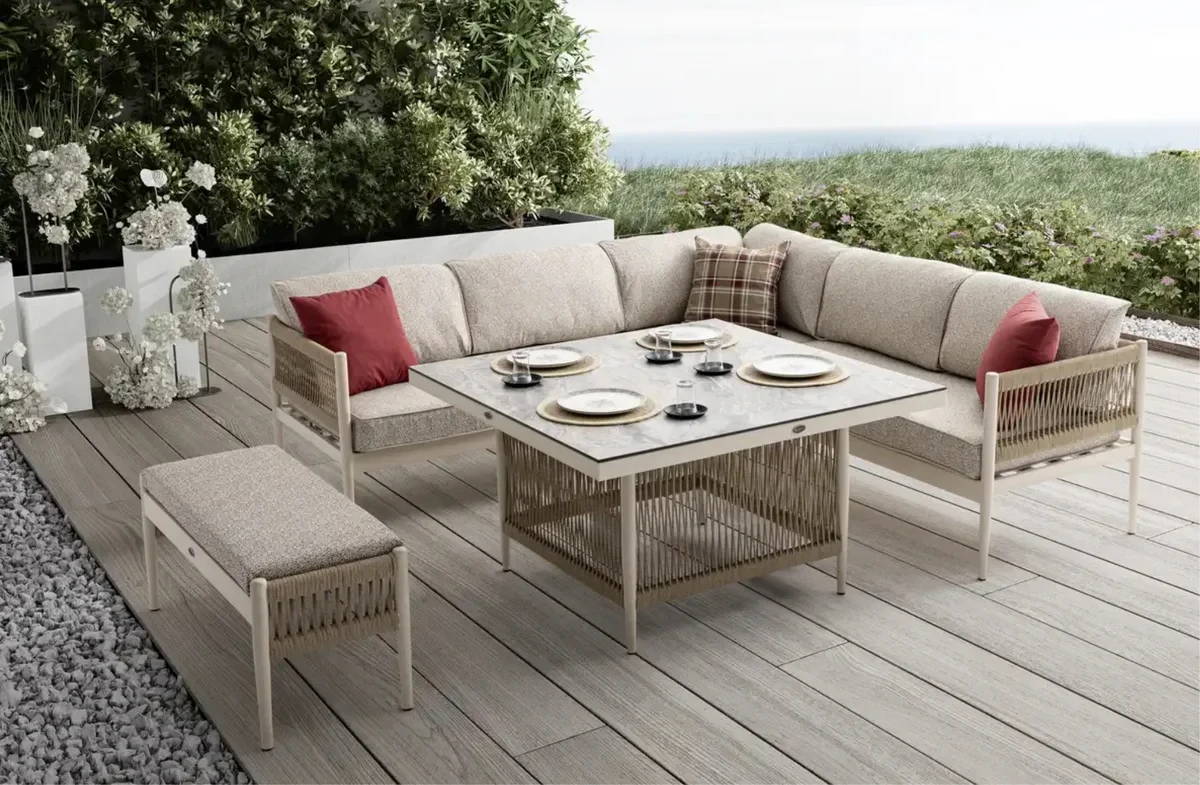
Aluminum is one of the most commonly preferred materials for these areas due to its natural resistance to corrosion, lightweight structure, and suitability for outdoor conditions. Terazzi, which designs furniture specifically for outdoor use, also uses aluminum frames in its garden and terrace furniture to combine durability with ease of use.
Choosing Durable Materials for Outdoor Furniture
The material used in outdoor furniture directly affects the product's lifespan and performance. Environmental factors such as rain, humidity, sunlight, and temperature fluctuations can cause certain metals to deteriorate or corrode over time.
Aluminum offers an important advantage in this respect. The natural oxide layer that forms on its surface limits direct contact between the metal and external elements, creating a protective barrier against corrosion. This characteristic has made aluminum a widely used material in the production of aluminum garden furniture and outdoor furniture.
Why Is Aluminum Naturally Resistant to Rust?
Rust typically occurs when iron-containing metals react with oxygen and water. Over time, this reaction can cause corrosion to develop across the metal surface.
Aluminum behaves differently. A thin oxide layer naturally forms on its surface, helping isolate the underlying metal from environmental exposure and limiting further corrosion.
Quick Fact:
The natural oxide layer that forms on aluminum limits the metal's direct contact with air and water. This protective layer gives aluminum a high level of resistance to corrosion.
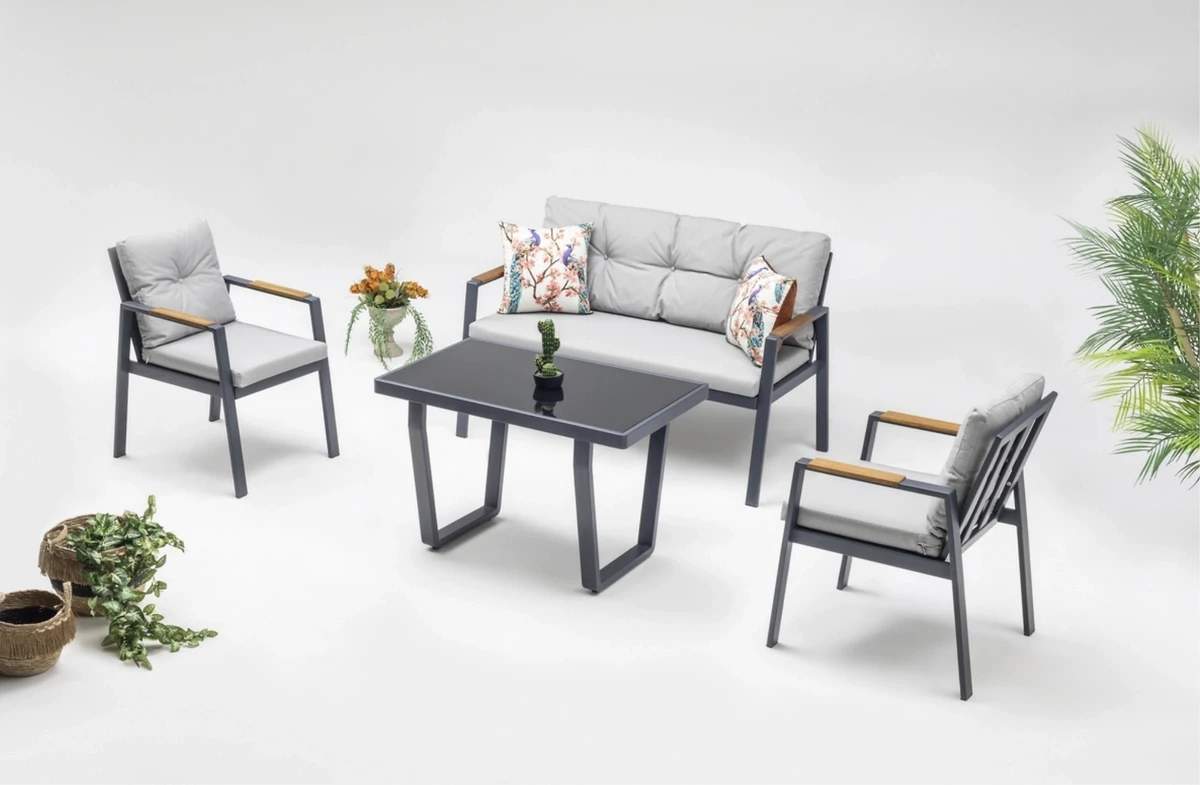
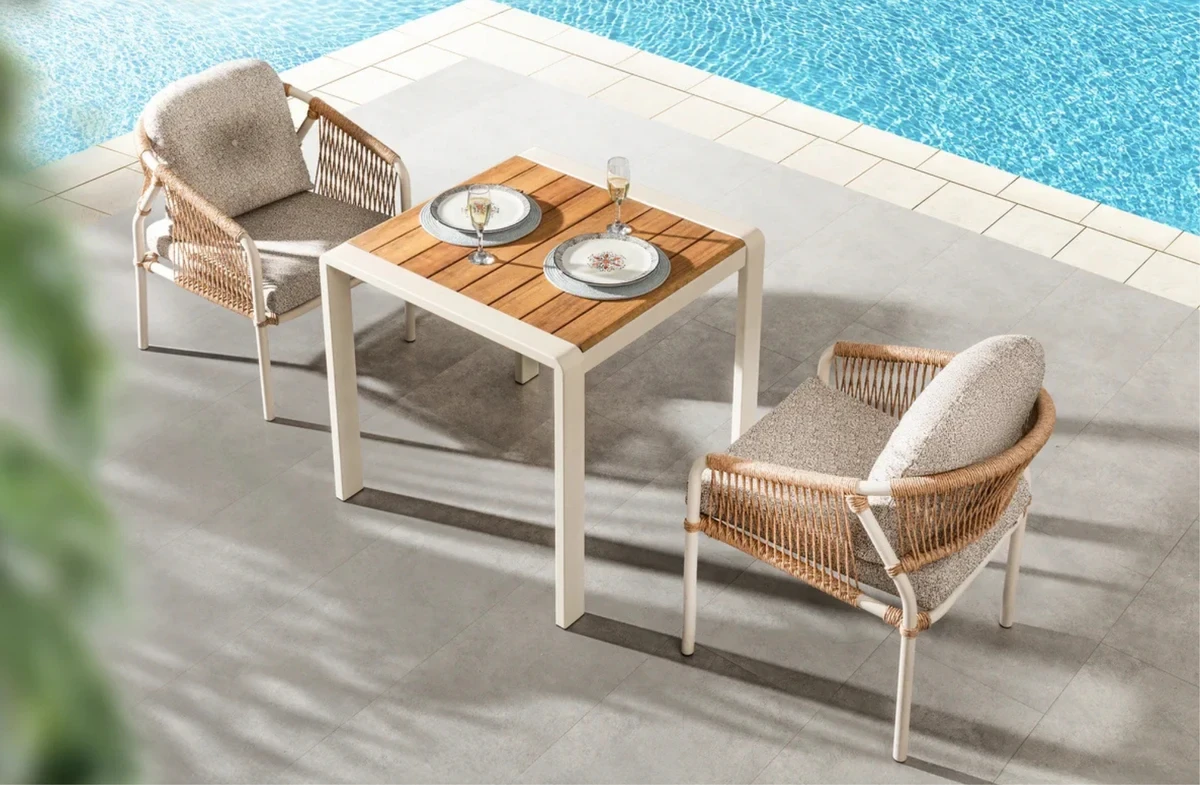
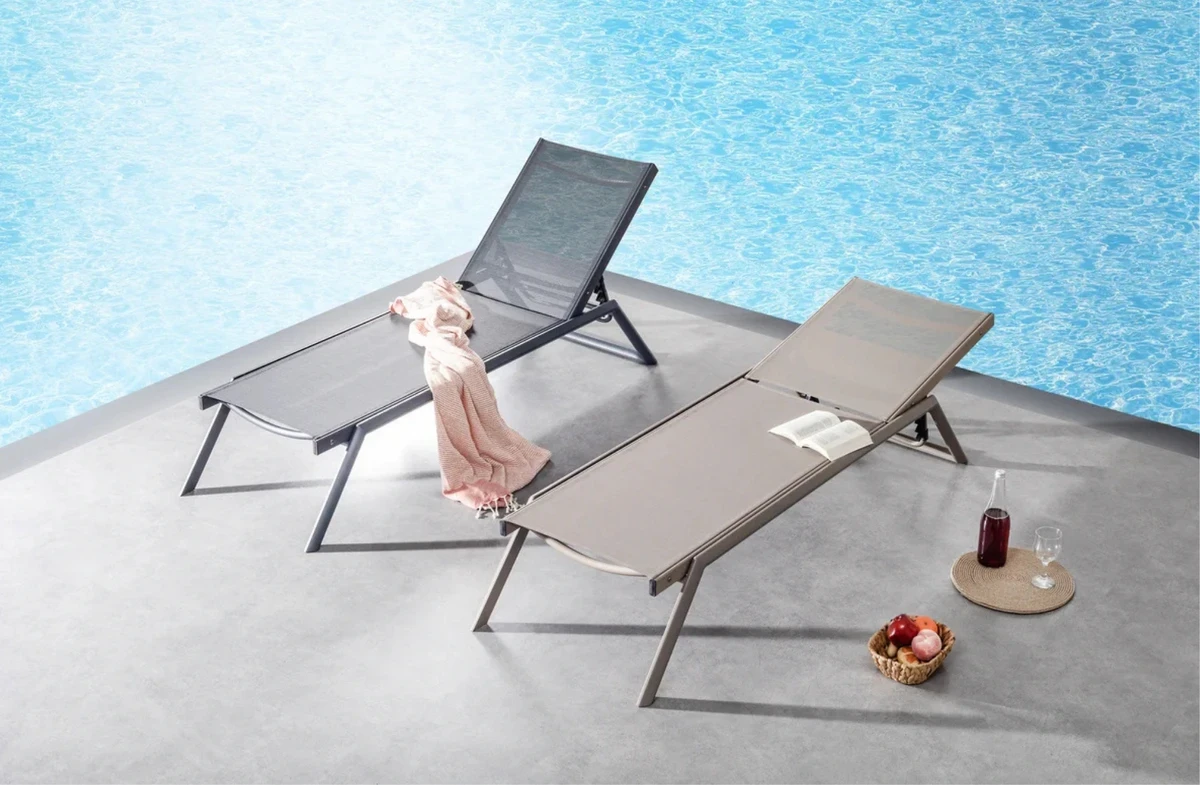
This characteristic provides an important long-term advantage for products such as outdoor seating sets, outdoor dining sets, and sun loungers.
Advantages of Using Aluminum in Outdoor Furniture
There are several reasons why aluminum is widely preferred for furniture used in outdoor spaces. These advantages are important in terms of both durability and everyday usability.
Key advantages of aluminum outdoor furniture include:
- Natural resistance to corrosion
- Resistance to rain and humid environments
- Easy to move thanks to its lightweight structure
- Durability for long-term use
- Easy maintenance and cleaning
- Slim profiles that complement modern furniture designs
Thanks to these characteristics, aluminum-frame furniture provides a practical solution for both garden decoration and terrace design.
Differences Between Aluminum and Other Outdoor Furniture Materials
Outdoor furniture can be manufactured from a variety of materials, including wood, steel, plastic, and synthetic rattan. Each material has different characteristics:
- Wooden furniture offers a natural appearance but requires regular maintenance. Exposure to sunlight and rain may require protective surface treatments to be renewed over time.
- Steel furniture provides a strong structure, but without suitable protective coatings, it may be susceptible to corrosion.
- Plastic furniture can be a lightweight and economical alternative, but prolonged exposure to sunlight may cause deformation or color fading.
Aluminum provides a balanced combination of durability, low weight, and ease of maintenance. For this reason, it is widely preferred as a primary structural material by many outdoor furniture manufacturers.
Quick Fact: Aluminum Surface Treatments Used in Outdoor Furniture
Aluminum used in outdoor furniture is often treated with additional surface finishes to further improve its durability.
Common methods include:
- Electrostatic powder coating
- Anodizing
- Protective coating systems
These treatments can make the metal surface more resistant to scratches while improving its suitability for outdoor conditions.
Where Is Aluminum Furniture Used?
The durable and lightweight structure of aluminum makes it suitable for a wide range of outdoor applications.
Common uses include:
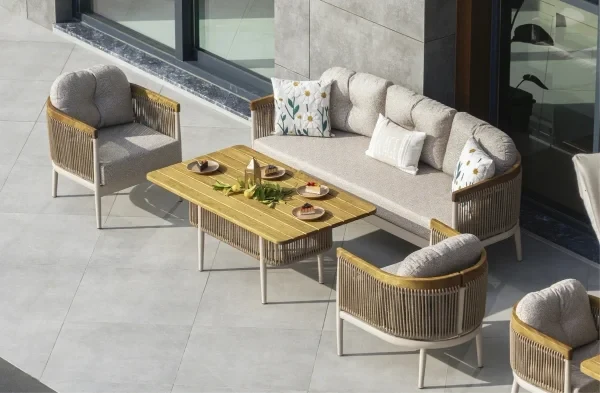
- Outdoor seating sets
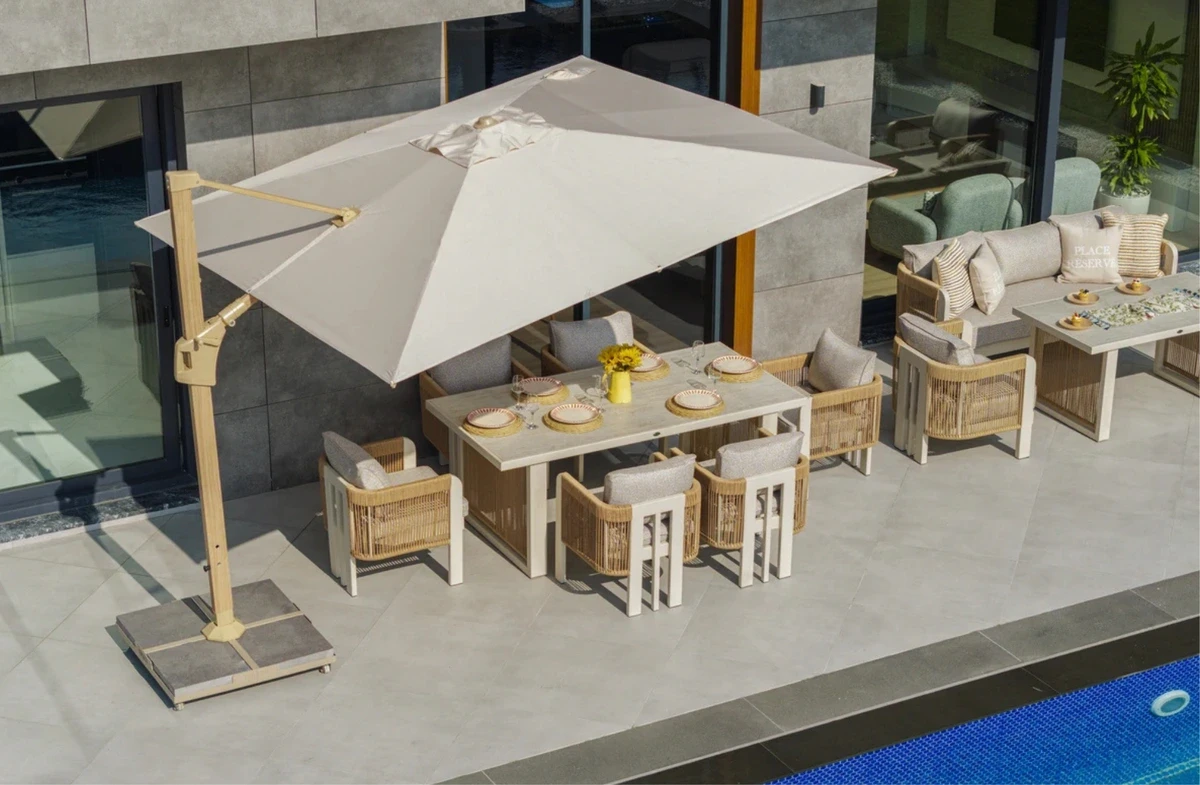
- Outdoor dining sets
- Balcony furniture
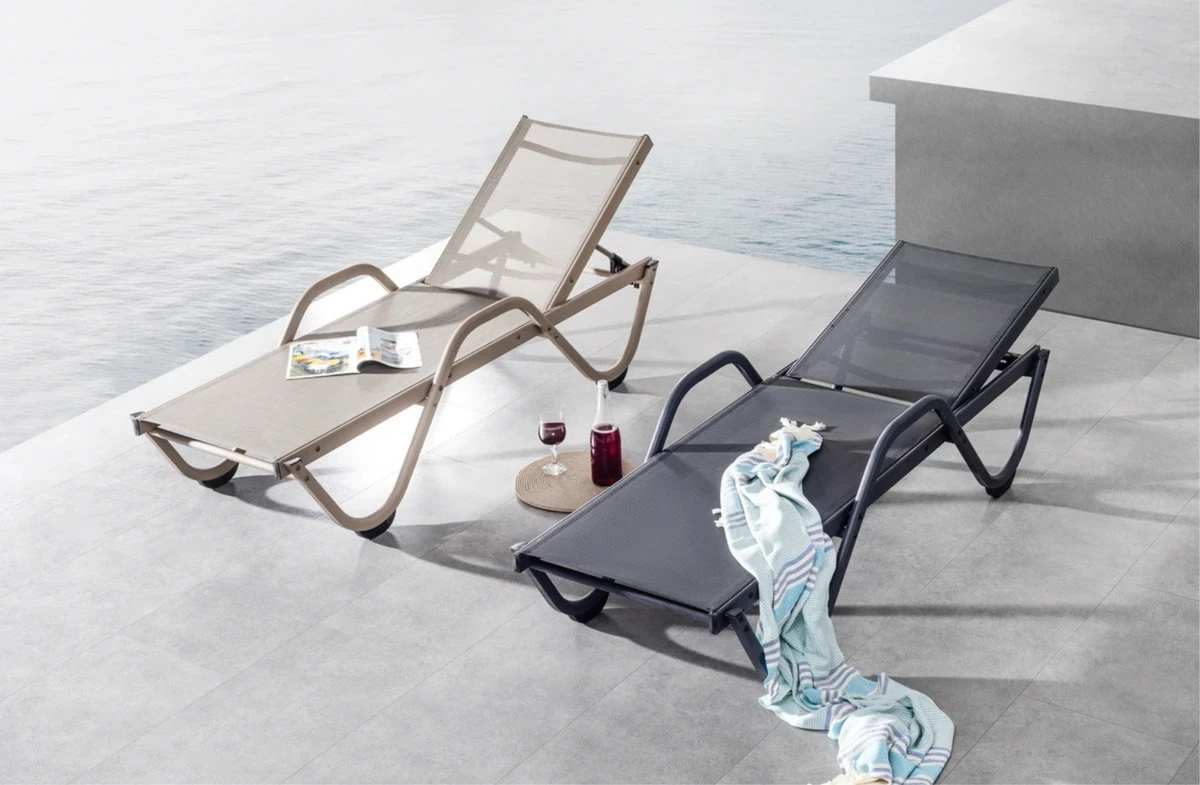
- Sun loungers
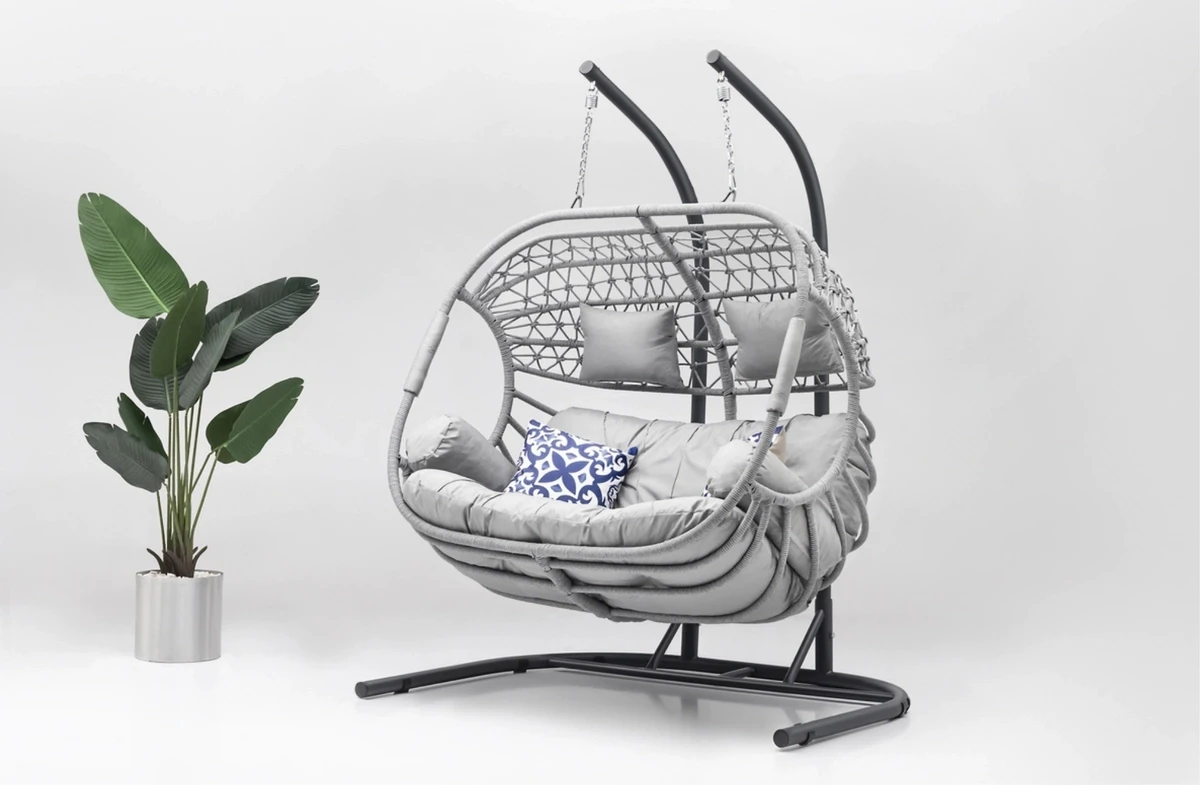
- Outdoor swings
- Outdoor furniture designed for terraces
These products help make outdoor spaces more functional and provide alternatives that can adapt to areas of different sizes.
What Should You Consider When Choosing Aluminum Outdoor Furniture?
Although aluminum is a durable material, paying attention to certain technical details when choosing furniture can directly affect the overall user experience.
Important factors to consider include:
- Aluminum profile thickness
- Quality of the surface coating
- Durability of connection points and joints
- Fabrics suitable for outdoor conditions
- Dimensions of the area where the furniture will be used
Well-manufactured aluminum furniture can provide reliable performance in outdoor spaces for many years.
Aluminum for Long-Lasting Outdoor Furniture
The material selected for outdoor furniture plays an important role in determining both durability and everyday comfort. Aluminum stands out as a reliable option for outdoor use thanks to its natural resistance to corrosion, lightweight structure, and low maintenance requirements.
For furniture designed to make gardens, balconies, and terraces more functional, an aluminum frame provides a significant advantage in terms of long-term use. Following this approach, Terazzi develops outdoor seating sets, dining sets, and other outdoor furniture solutions using materials suitable for exterior conditions, helping create functional and comfortable open-air living spaces.
Frequently Asked Questions About Aluminum in Outdoor Furniture
Does aluminum outdoor furniture really not rust?
The natural oxide layer that forms on aluminum limits direct contact between the underlying metal, air, and water. For this reason, aluminum does not rust in the same way as iron or steel, although it can still experience other forms of corrosion under certain conditions.
Can aluminum furniture be used in the rain?
Aluminum is naturally resistant to moisture and rain, making it well suited for garden, balcony, and terrace furniture. Suitable surface treatments can provide additional protection for long-term outdoor use.
Is aluminum outdoor furniture difficult to maintain?
Aluminum furniture generally requires relatively little maintenance. For routine cleaning, wiping the surfaces with a soft, damp cloth is usually sufficient.
Which is more durable: aluminum or wooden outdoor furniture?
Wooden furniture provides a natural appearance but generally requires more regular maintenance. Aluminum furniture typically requires less maintenance and offers strong resistance to outdoor conditions, making it a practical option for long-term exterior use.


-
 Turn Your Balcony into a Winter Garden with Garden Furniture: Step by Step Guide
16 March 2026 -
 Features of Iroko Groups in Wooden Garden and Balcony Furniture
16 March 2026 -
 What is Aluminum Garden and Balcony Furniture?
16 March 2026 -
 What is Rope Knitted Garden Furniture?
16 March 2026 -
 Outdoor Lighting and Furniture: How to Create the Right Balance
16 March 2026 -
 Outdoor Furniture Cleaning Guide: How to Keep It Looking Like New
16 March 2026 -
 Outdoor Seating Layout Guide for Large Terraces
16 March 2026 -
 Villa Garden Decoration Ideas and 2026 Design Trends
16 March 2026 -
 Choosing Outdoor Furniture for Hotels and Restaurants
16 March 2026 -
 Decorating Ideas for Small Balconies: A Guide to Measurements, Materials, and Placementi
16 March 2026 -
 Differences Between Iroko and Teak Wood: Which is More Sensible for Garden Furniture?
16 March 2026 -
 What is the difference between rattan and bamboo furniture?
16 March 2026 -
 What should you pay attention to when choosing a garden or balcony umbrella?
16 March 2026 -
 Cushion and Fabric Choices for Outdoor Furniture: Waterproof, Durable, and Comfortable Options!
16 March 2026 -
 Sun Loungers and Sunbeds: A Comfortable Guide for Poolside Use
16 March 2026 -
 Outdoor Dining Table Dimensions: How Much Space Do You Need?
16 March 2026 -
 2026's Popular Garden Furniture Collections
16 March 2026 -
 Which Garden Furniture Can Stay Outside All Year Round?
16 March 2026 -
 Garden Furniture Color Selection: How to Create an Outdoor Palette?
16 March 2026 -
 Terazzi Garden Furniture in the TV Series “Muhtemel Aşk”
16 March 2026 -
 Garden Furniture Trends: Sustainable Materials and Recyclable Designs
16 March 2026 -
 Ways to Use Your Garden and Terrace for Longer in Autumn
16 March 2026