













Garden and Balcony Furniture for Homes with Pets and Children: Scratch and Stain-Resistant Choices
Pet hair accumulating on cushion pads, spilled fruit juice, and cat claws catching on fabric can cause stains and wear on garden furniture. When choosing pet-friendly garden furniture for homes shared by children and pets, fabric cleanability, furniture stability, and the characteristics of frequently contacted parts must be considered. The weave density of cushions affects claw snagging, armrest materials influence scratch risks, and the shape of table corners impacts potential injury risks from bumps. The material and placement of furniture should be selected to minimize daily wear and collision risks.
How Do Cats and Dogs Damage Garden Furniture?
While cats mostly damage furniture through scratching behavior, chewing and paw contact are more common issues with dogs. Cat claws can snag on seat edges or woven details. Dirt and sand carried on dog paws cause friction on seating areas, while chewing habits can lead to deformation in wood and rope elements. The extent of wear varies based on the pet's size and usage habits.
A cat claw snagging a fabric thread can cause pulling or minor unraveling in the weave. Continuous scratching in the same spot enlarges the damage over time. Large dogs jumping onto sofas can also strain cushion fillings and seam areas.
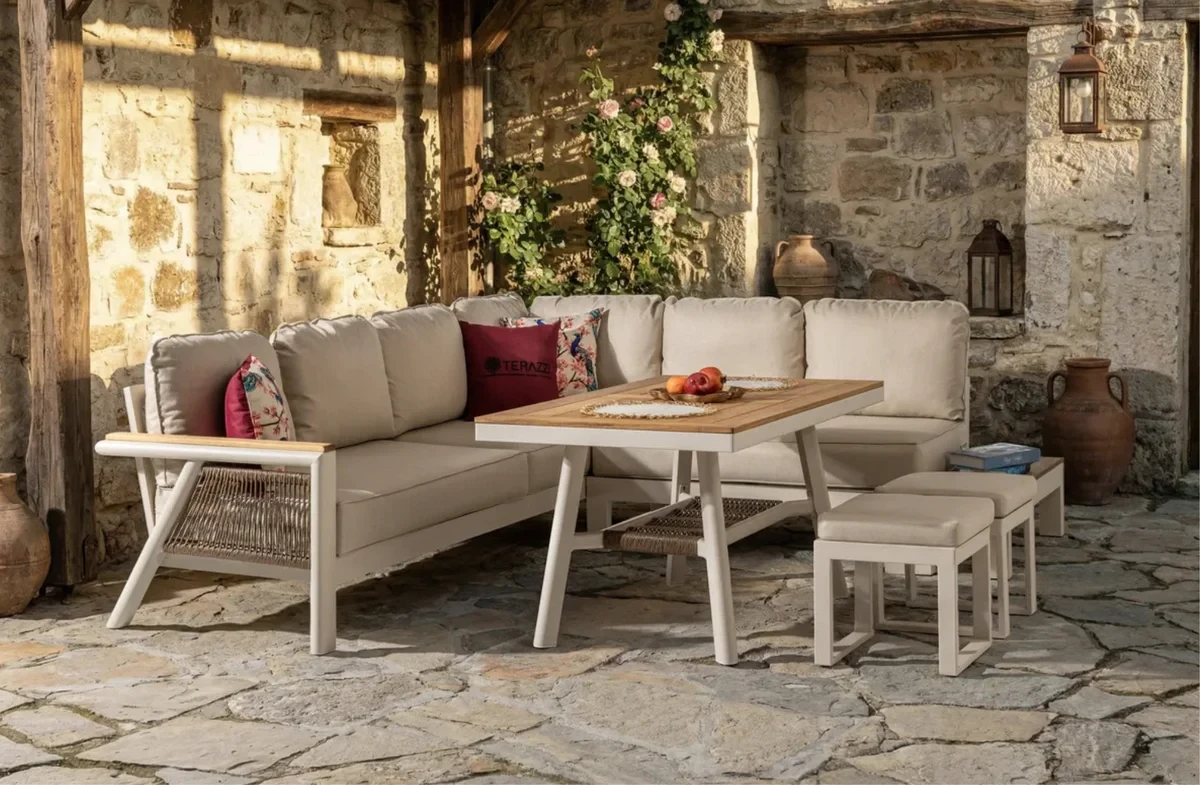
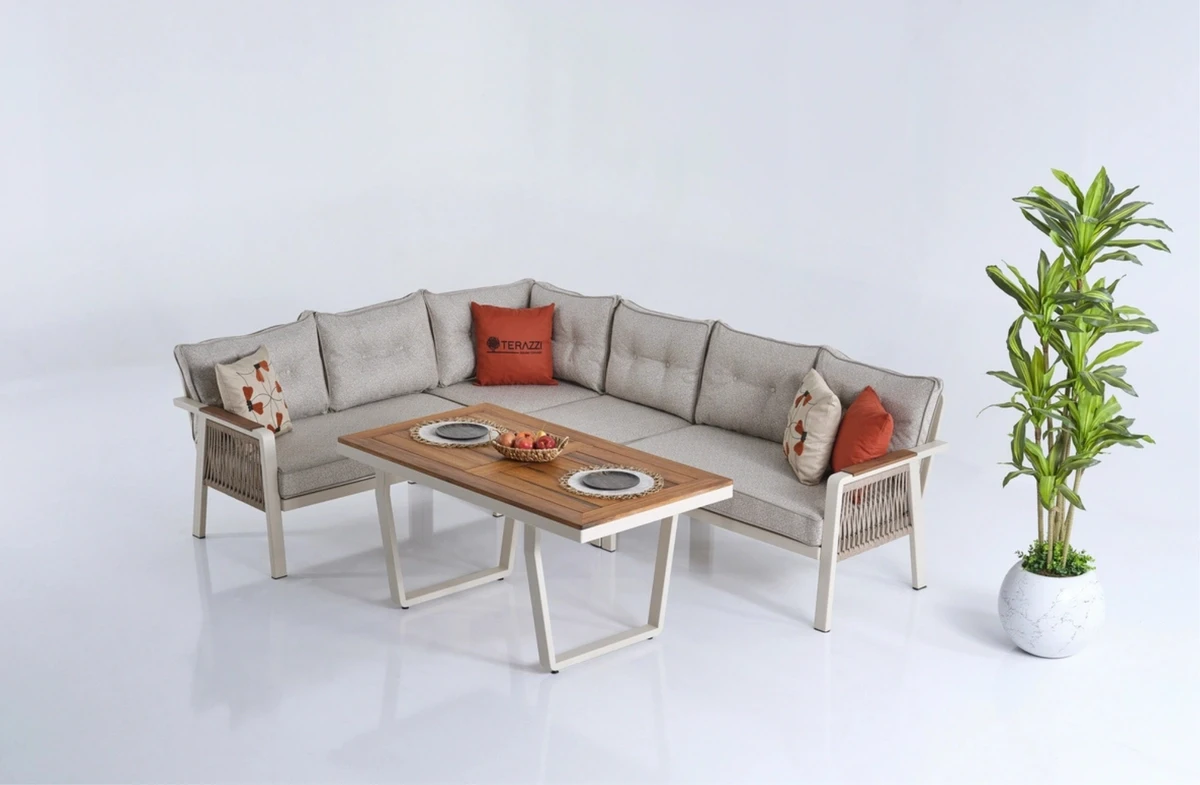
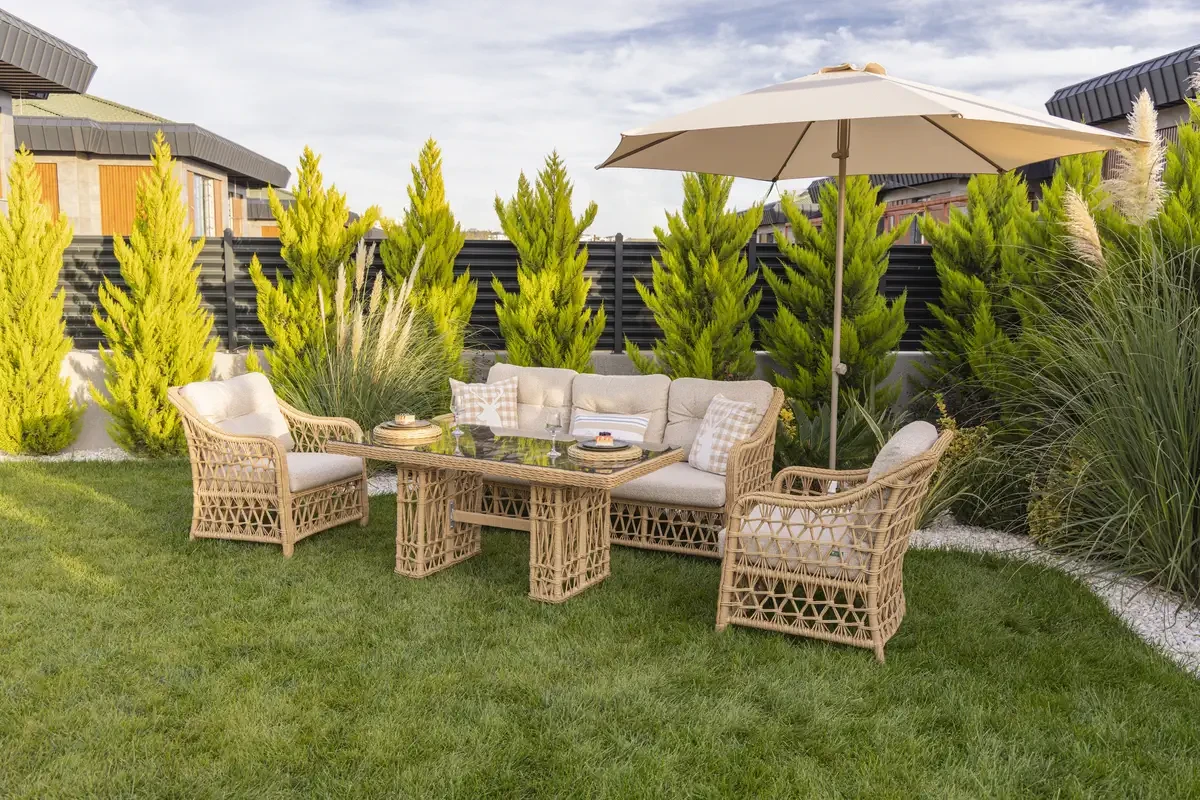
Understanding pet habits provides guidance when selecting garden seating sets. For example, the Argos Garden Seating Set is a practical model to consider for daily cleaning due to its water-repellent and stain-resistant fabric. However, because the sofa features Luxio Cord rope detailing, the potential damage cats with scratching habits might cause to these areas should be kept in mind.
Which Fabrics Should Be Preferred Against Cat Scratching?
Fabric weave density alters the risk of cat claws snagging on threads. Tightly woven textiles without long loops reduce the risk of pulled threads. In loose weaves, a single pulled thread can cause wider unraveling.
When choosing scratch-resistant fabric, look beyond weave appearance to evaluate yarn structure, friction resistance, and seam durability. The Martindale abrasion test measures a textile's performance against repeated friction under specified conditions. However, a high Martindale rating does not guarantee that the fabric is entirely immune to cat scratches.
The fact that outdoor fabrics are water-repellent or UV-resistant does not mean they offer equal protection against claw damage. The tightness of woven details on armrests and backrests, combined with your pet's habits of reaching these areas, must be evaluated together.
Note: If a cat consistently scratches the same sofa edge, placing a scratching post or cat tree nearby can be beneficial. Using washable protective covers on frequently used cushions minimizes direct fabric wear.
Material Comparison for Homes with Cats and Dogs
What to Consider When Choosing Garden Furniture for Homes with Children?
In furniture used by children, corners and moving parts must always be thoroughly checked. Actions like climbing on chairs, leaning on tables to stand up, or moving from seat to seat increase tip-over and impact risks, especially at young ages.
Key features to look for in kid-friendly garden furniture include:
Rounded table and coffee table edges reduce contact with sharp corners during collisions.
Stable leg design and an appropriate center of gravity enhance resistance against tipping.
Fixed or slip-restricted cushions provide an advantage on sofas used by active children.
Folding or adjustable mechanisms must be inspected for gaps that could cause finger entrapment.
Glass table tops should be checked for safety glass properties and compliance with relevant safety standards.
Chairs and tables with loose fasteners must be checked and tightened before use.
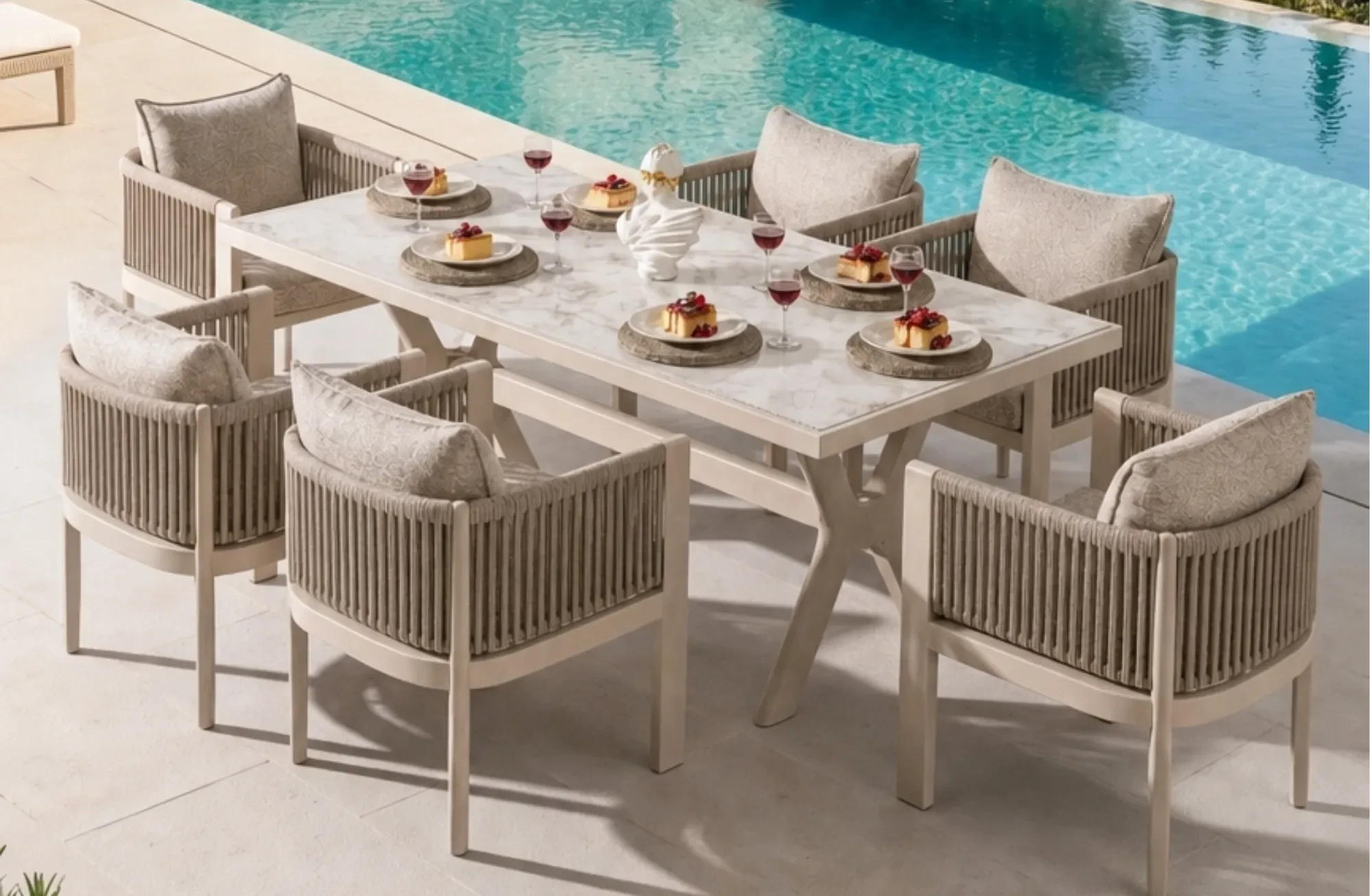
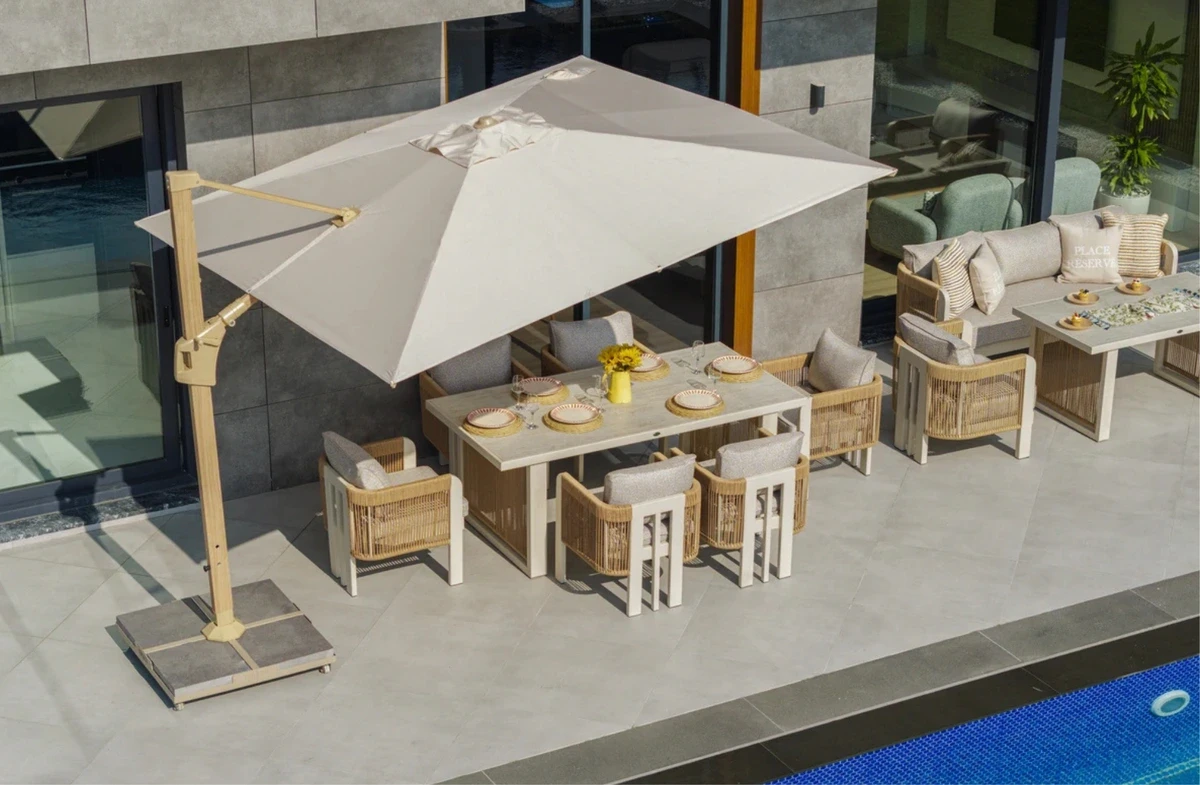
The cleanability of the table surface is equally important in areas where children draw, play with toys, or eat. The Argos Garden Dining Set offers Iroko wood and HPL compact top alternatives to compare in this regard. The HPL option is worth evaluating for dining tables heavily used by children.
Cleaning pens, paint, and adhesive residues varies depending on the tabletop material. Dragging hard toys or metal objects directly across the table can scratch even resistant surfaces.
What Features Matter When Choosing Stain-Resistant Garden Furniture?
A water-repellent coating on fabric does not mean greasy pet food or fruit juice stains will clean themselves. When searching for stain-resistant garden furniture, knowing which types of dirt the fabric resists and reviewing manufacturer care instructions provides clearer guidance.
Cushion design also impacts daily cleaning time. Deep tufting, heavy quilting seams, and tight joints trap crumbs easily. Flat cushions make it much simpler to sweep away food debris and wipe down the fabric.
Removable cushion covers offer a clear cleaning advantage. Since not every removable cover is machine-washable, always refer to manufacturer guidelines for washing temperature, detergent type, and drying methods.
How to Deal with Paw, Food, and Beverage Stains
Pigments in colored drinks and fat residues in greasy food can bind to fabric fibers. After initial treatment, use cleaners recommended by the fabric manufacturer. Harsh solvents, bleach, and stiff brushes can damage the color or protective coatings of outdoor textiles.
Designer's Note: For sofas where children frequently eat, choosing flat seat cushions over deep quilted details simplifies crumb cleanup. Along with fabric stain resistance, cushion removability and access to seam areas directly affect daily maintenance effort.
What Should the Garden Layout Be for Children and Pets?
A coffee table placed in the running path of a dog or a chair blocking a balcony door increases bump and trip hazards in tight spaces. When planning garden decor, account for both furniture dimensions and the space consumed during actual use.
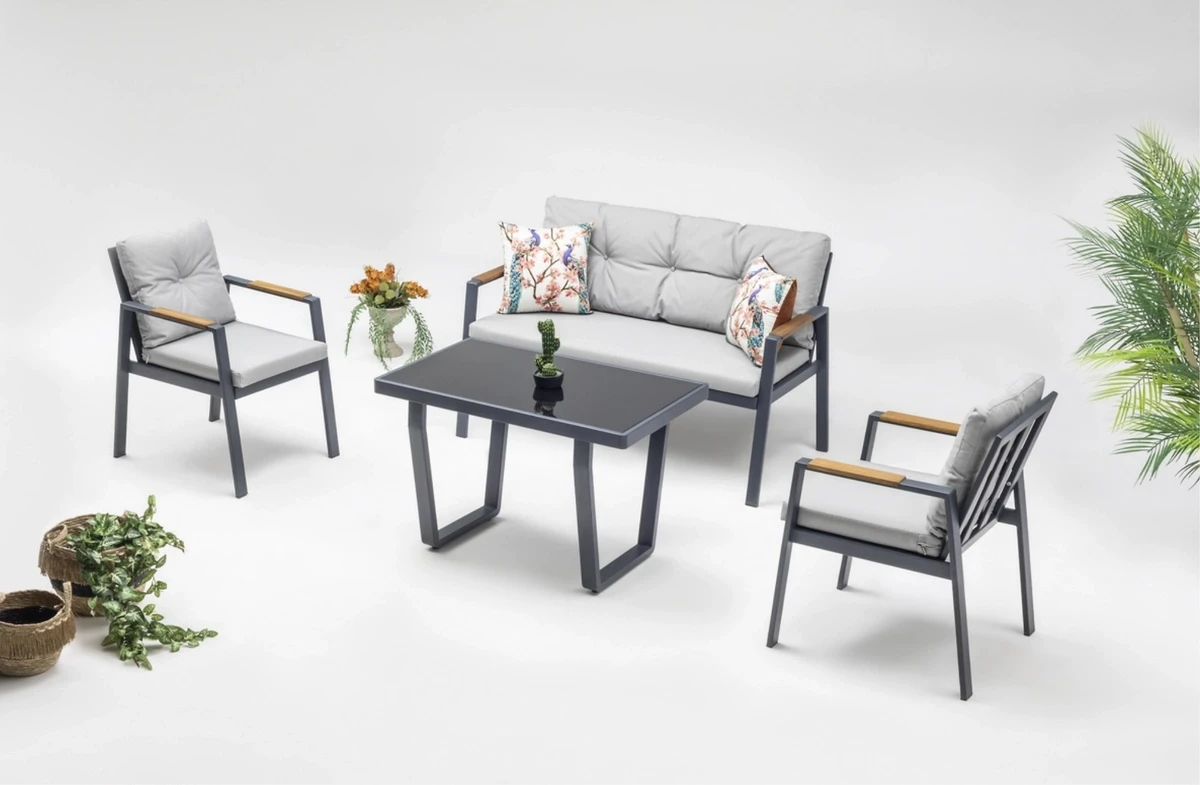
On small balconies, leave enough clearance for pulling back chairs, opening doors, and accessing pet bowls. The Efes Mini Garden Seating Set—featuring a 131 cm double sofa, single seating units, and a coffee table—is a compact option to measure against tight balcony layouts. Always calculate surrounding clearance around seating.
Balcony railings require special evaluation. Avoid placing items like tables, sofas, or coffee tables directly against railings where children or cats could climb and gain height. Securing a balcony may require physical safety measures beyond mere furniture arrangement.
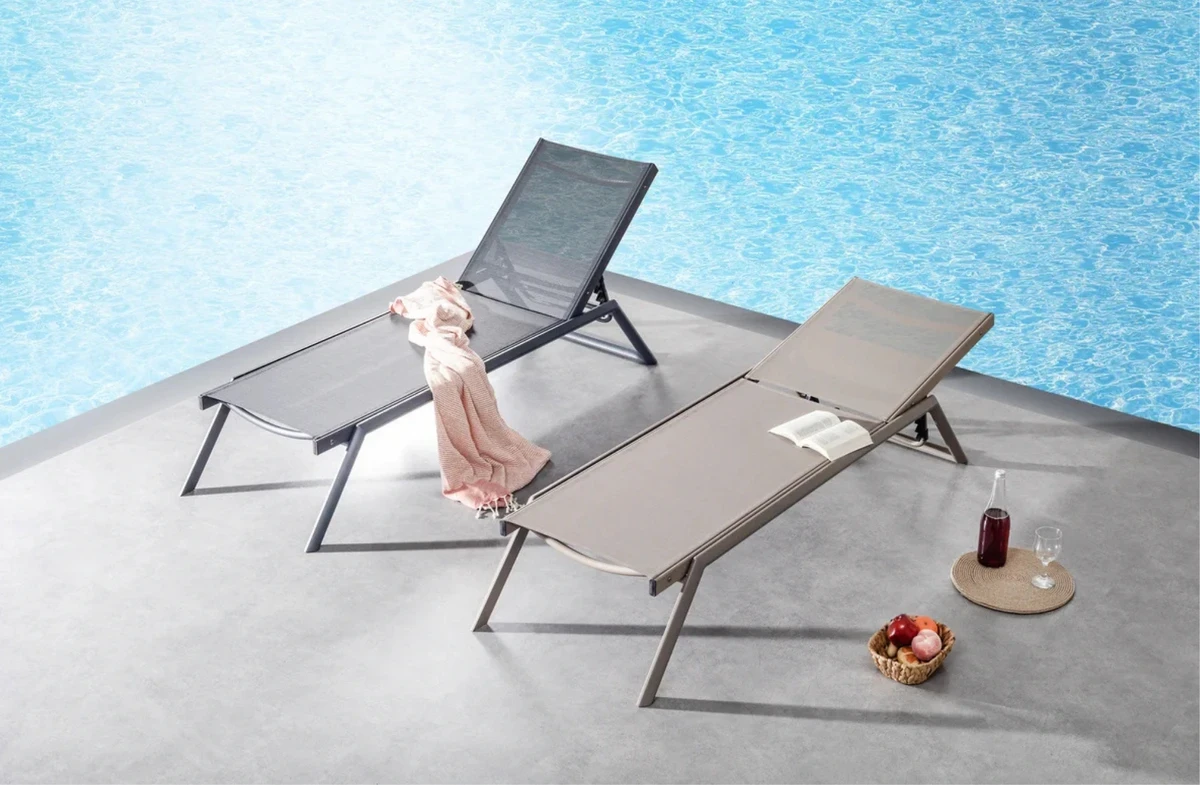
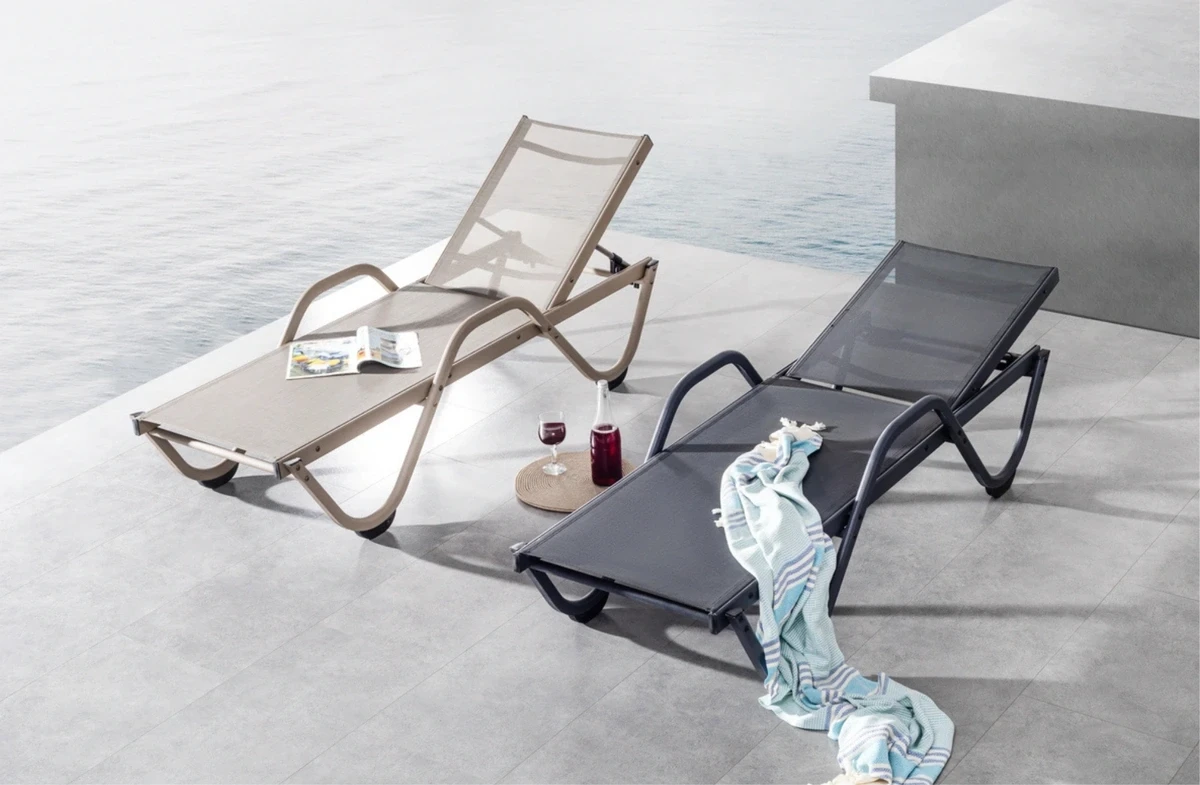
In large gardens, separating play and relaxation zones ensures dedicated movement space for both children and dogs. Poolside, the Gala Armless Sun Lounger—featuring mesh fabric designed for cushionless use—is a practical alternative for effortless wiping and cleaning. Ensure loungers do not obstruct pathways and that the surrounding area remains safe for children.
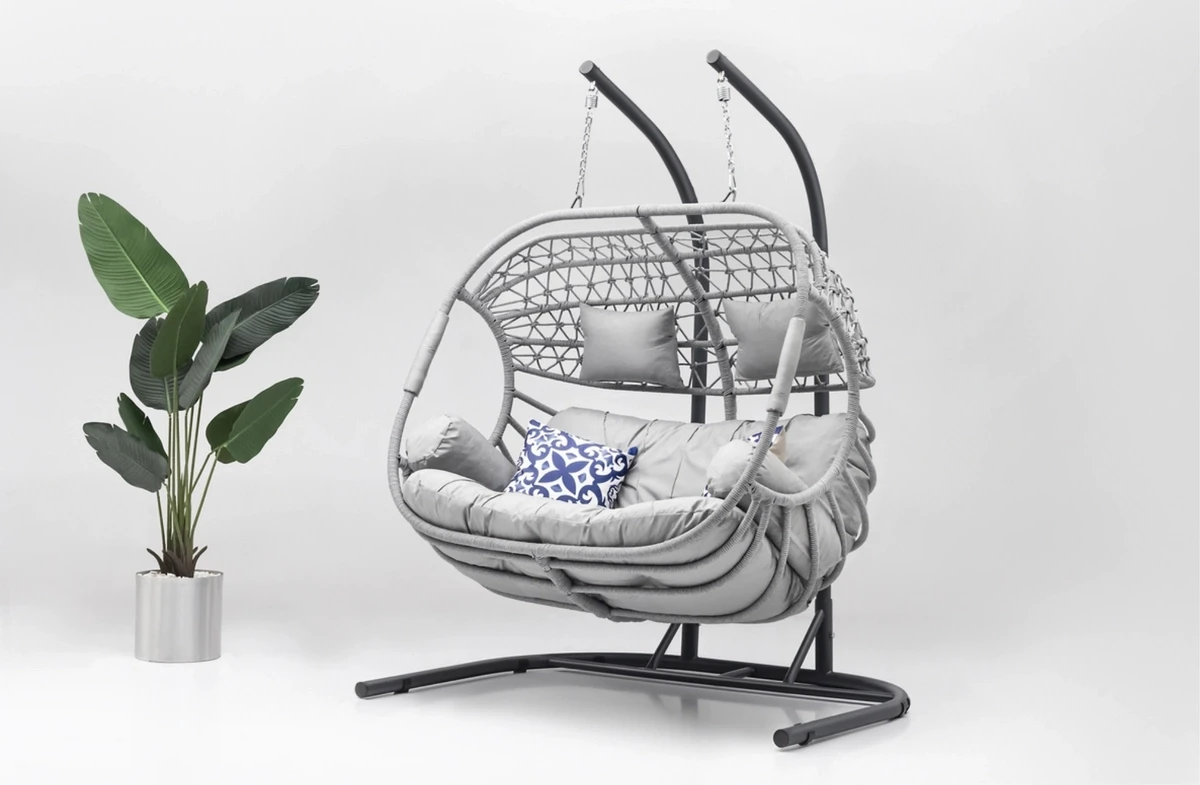
Swings also require clear motion paths. The Oscar Collection includes single and double swing options. Position swings to prevent children or dogs from walking directly in front of them, and inspect structural support connections regularly.
Checklist Before Buying Garden and Balcony Furniture
Pet habits and children's ages directly influence purchasing decisions. When looking for easy-to-clean garden furniture, cushion design, frame balance, and accessibility to hard-to-reach areas are just as important as fabric specs.
Before buying, address the following questions:
Are there open weave details on armrests or backrests vulnerable to claw snagging?
Are the fabric's stain-resistance capabilities and cleaning instructions clearly specified?
Are cushions removable, and is the area underneath the seating easily accessible?
Are table and coffee table corners safe for areas where children play and move?
Do chairs stand balanced on the ground, and are structural joints secure?
Are there pinch points in moving parts that could trap fingers or paws?
Fabric color is another practical consideration. Light-colored pet fur stands out on dark fabrics, while muddy paw prints are more noticeable on very light tones. However, how easily fur detaches from the fabric texture makes a bigger difference in daily cleaning than color choice alone.
How to Reduce Scratching and Daily Wear
Regularly inspecting high-contact furniture sections helps catch pulled threads and seam separations early. Address minor damage on cat-scratched armrests or dog-frequented cushions before it expands.
Never pull or break loose threads hanging from fabric, as pulling can unravel larger sections of the weave. Use repair methods recommended by the manufacturer.
Placing washable protective covers over seating areas frequently used by pets reduces direct friction. Ensure covers do not slip, cannot be chewed apart by pets, and remove easily for cleaning.
How to Select Furniture Suitable for Family Life
A sofa constantly used by a cat does not require the exact same material specs as a table where children eat. Weaves that minimize claw snagging, easy-wipe table surfaces, and stable seating elements should be tailored to your household's daily routines. Identifying high-contact components in advance helps prevent premature wear and cleaning hassles down the road.
Frequently Asked Questions About Selecting Garden & Balcony Furniture for Homes with Pets and Kids
Which garden furniture is most durable against cat scratching?
Furniture made with tightly woven fabrics and free of loose weave details reduces the risk of claw snagging. While metal and hard surfaces prevent thread pulling, scratches or impact marks can still occur on protective coatings.
Which outdoor fabric should be preferred in homes with pets?
Fabrics featuring tight weaves, high stain resistance, and clear cleaning instructions are ideal. Water repellency simplifies liquid cleanup, but scratch resistance depends directly on the fabric's yarn construction and weave pattern.
How to clean dog hair from garden furniture?
Use vacuum attachments designed for upholstery or soft-bristled brushes. Clean pet hair accumulating in cushion joints and seam gaps regularly, and avoid stiff tools that could snag threads on woven fabrics.
Which garden dining set is safer for homes with children?
Tables featuring balanced leg designs, sturdy connection joints, and rounded corners help minimize collision and tip-over risks. For glass tops, check for safety glass certifications; for other materials, inspect edge profiles and surface cleanability.
How to clean pet food and paw stains from garden furniture?
For food stains, clear solid and oily residues first; for paw prints, gently remove sand and dirt particles. Next, clean using solutions recommended in the fabric care instructions without scrubbing aggressively.


-
 Turn Your Balcony into a Winter Garden with Garden Furniture: Step by Step Guide
02 November 2026 -
 Features of Iroko Groups in Wooden Garden and Balcony Furniture
02 November 2026 -
 What is Aluminum Garden and Balcony Furniture?
02 November 2026 -
 What is Rope Knitted Garden Furniture?
02 November 2026 -
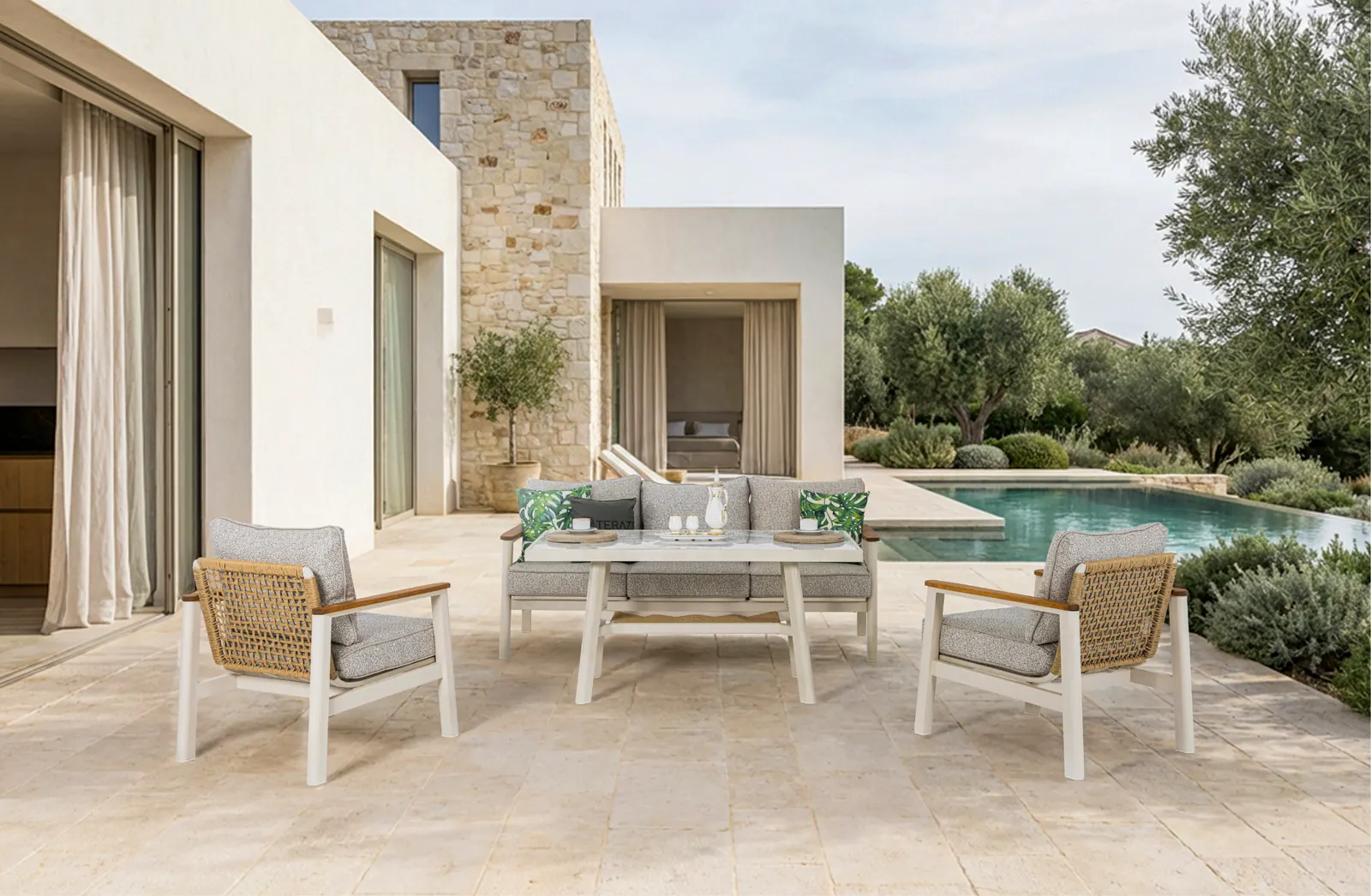 Outdoor Lighting and Furniture: How to Create the Right Balance
02 November 2026 -
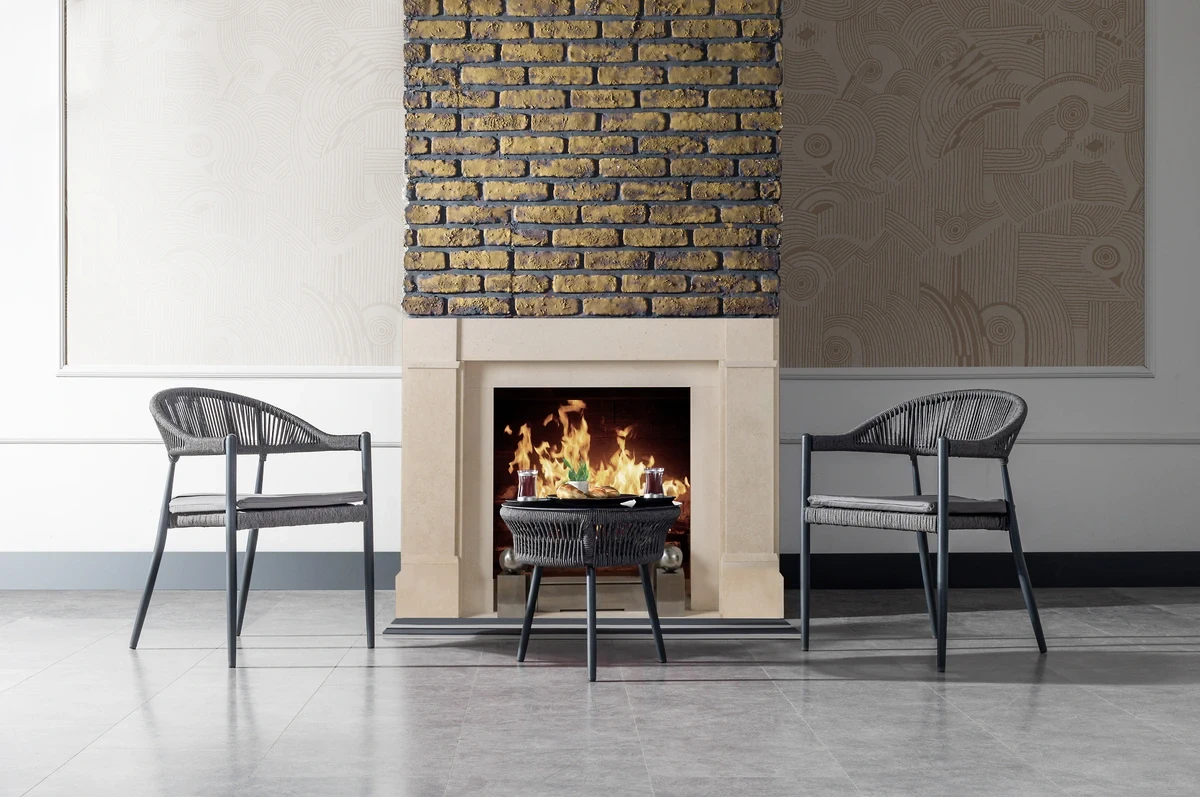 Outdoor Furniture Cleaning Guide: How to Keep It Looking Like New
02 November 2026 -
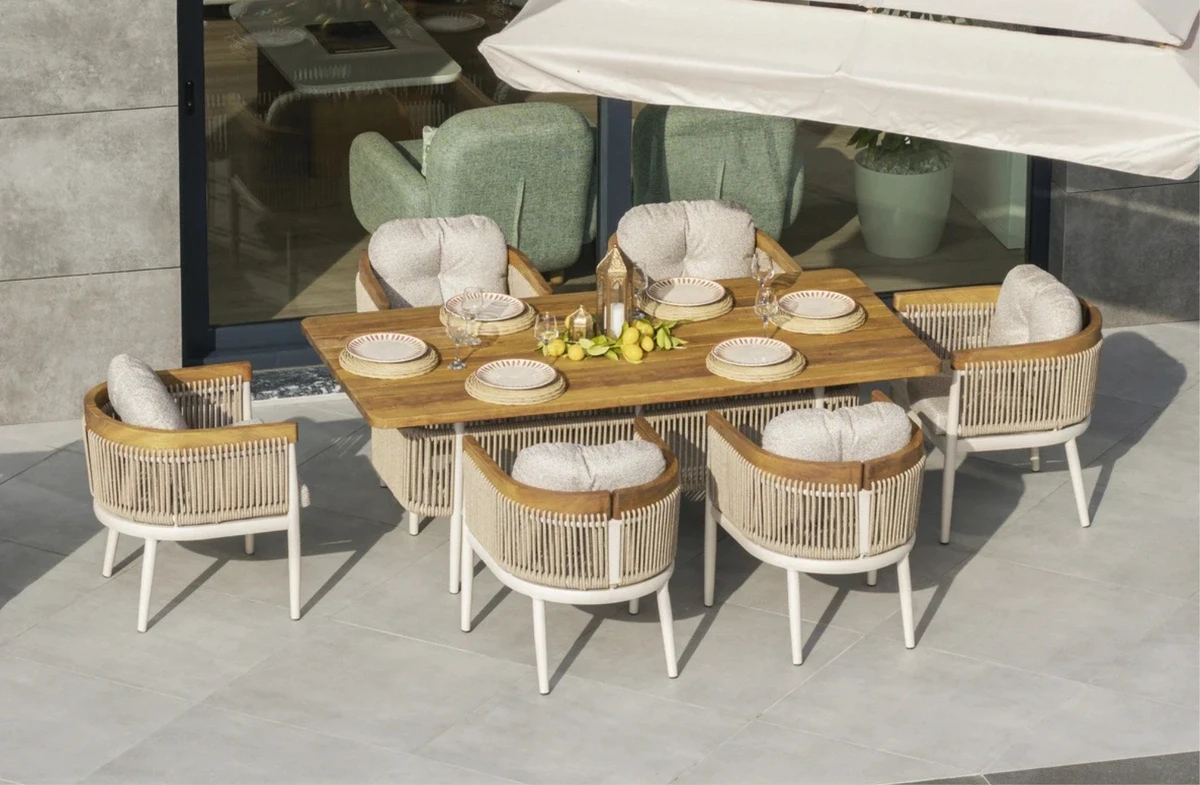 Outdoor Seating Layout Guide for Large Terraces
02 November 2026 -
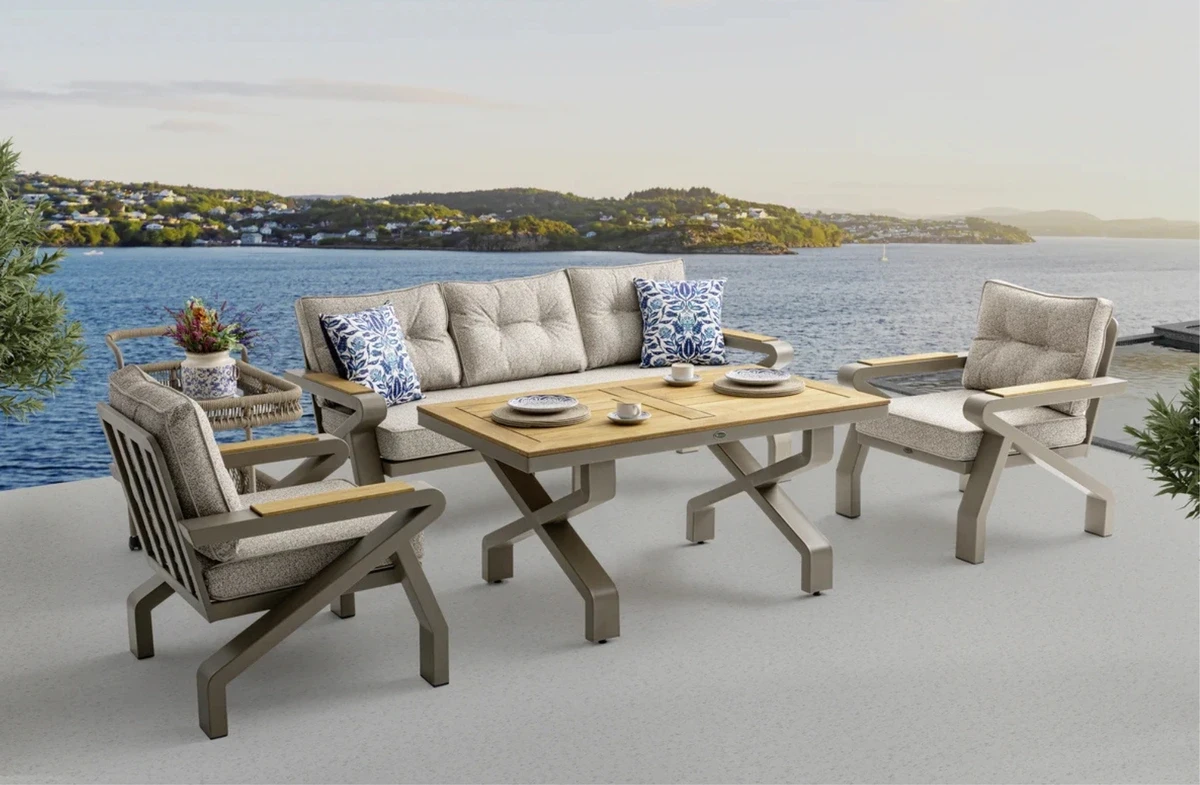 Why Is Aluminum Preferred for Outdoor Furniture?
02 November 2026 -
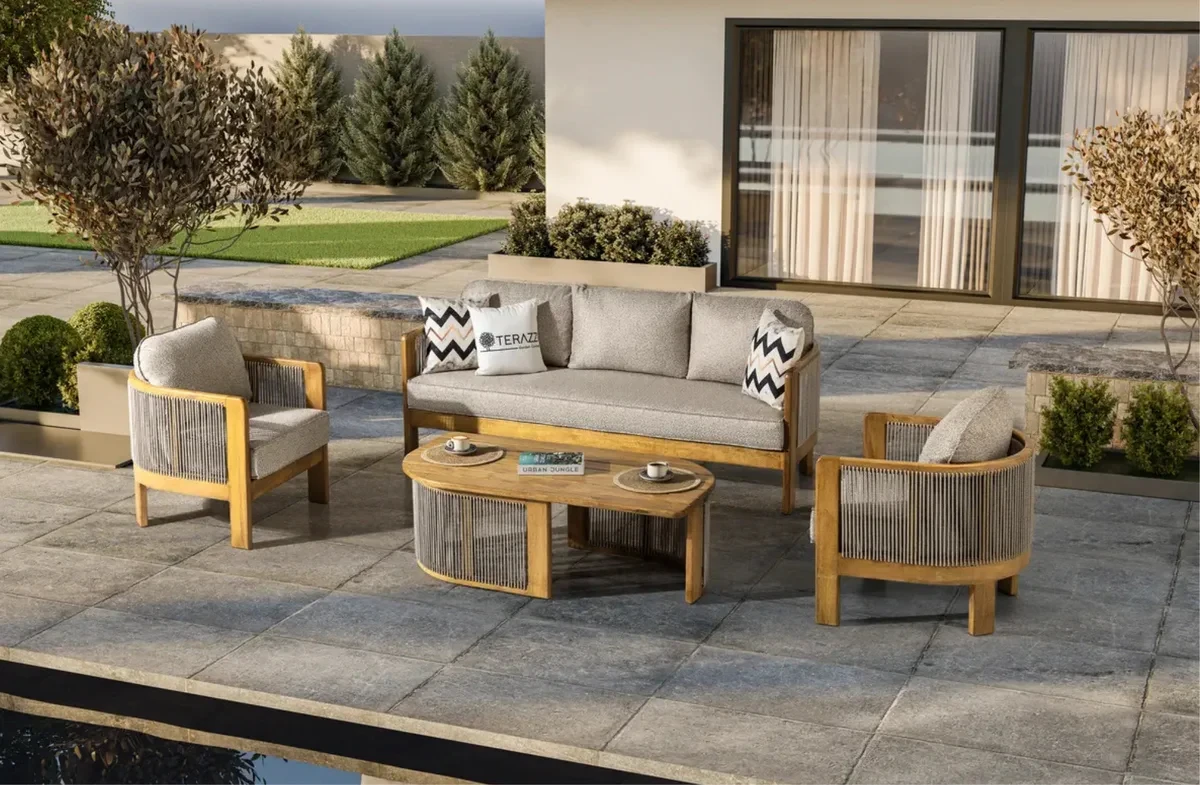 Villa Garden Decoration Ideas and 2026 Design Trends
02 November 2026 -
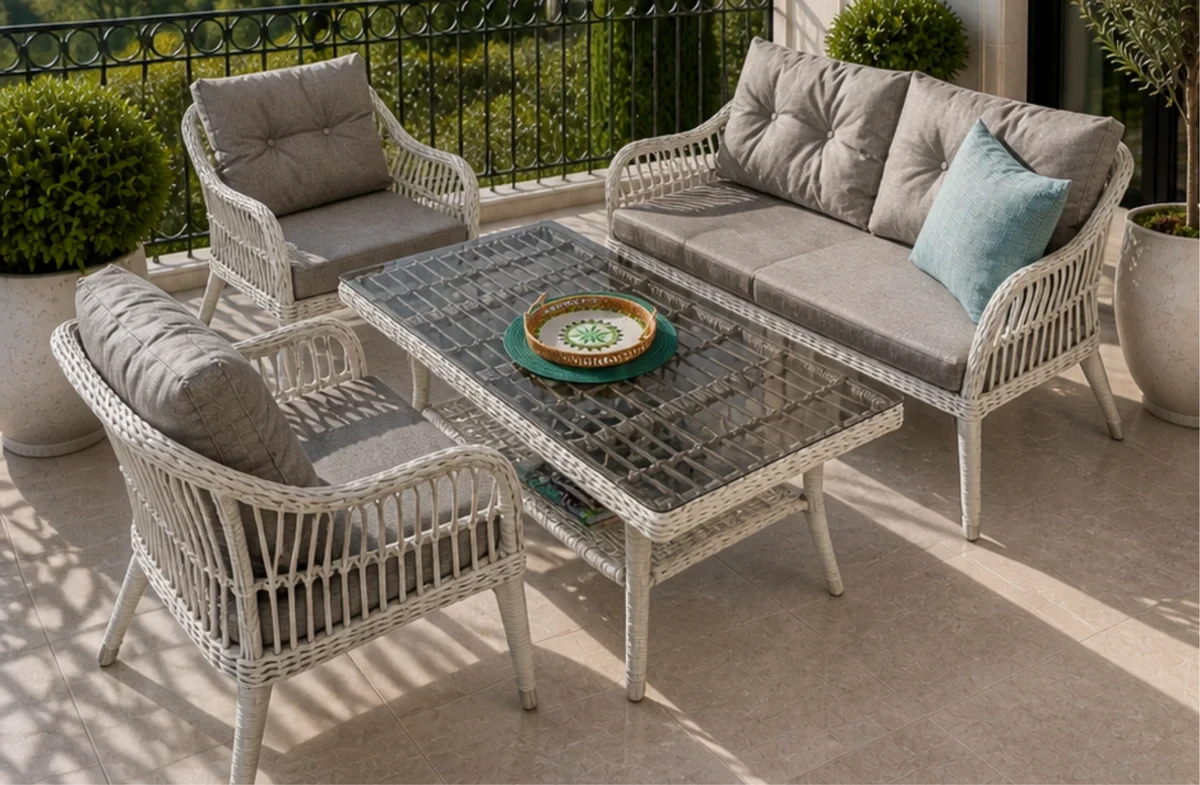 Choosing Outdoor Furniture for Hotels and Restaurants
02 November 2026 -
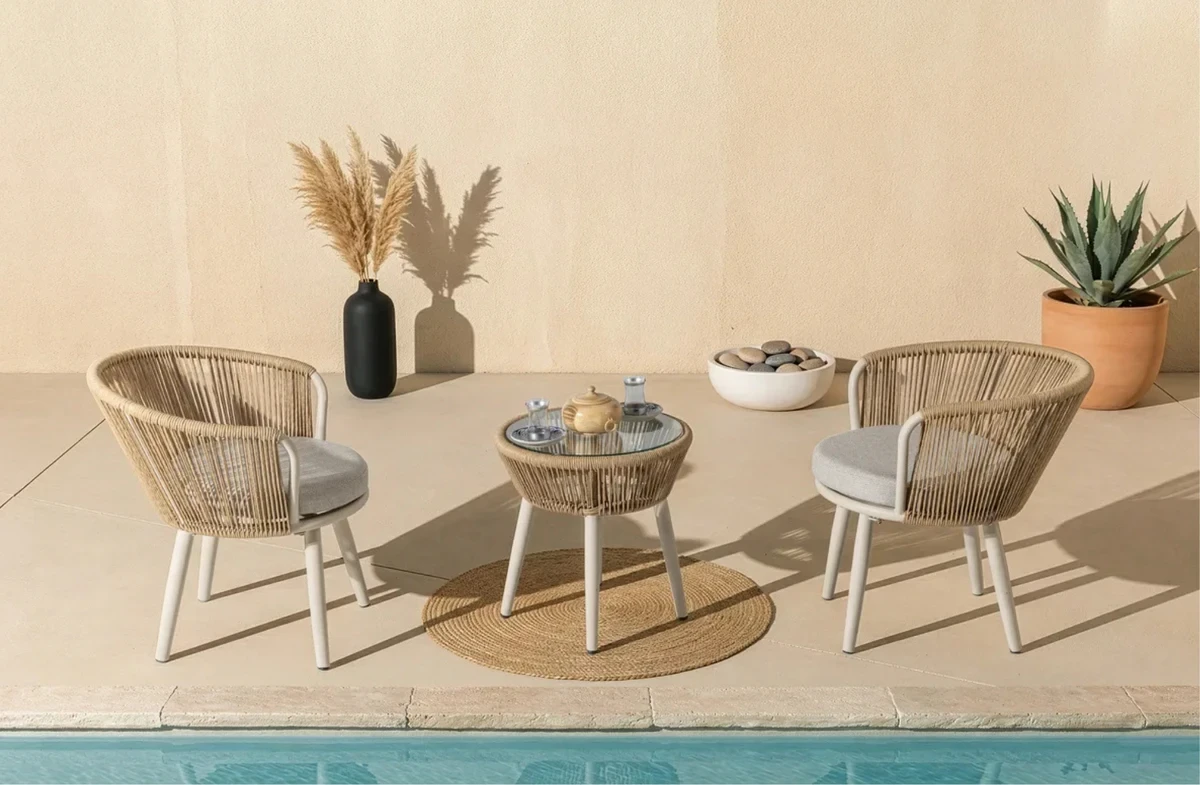 Decorating Ideas for Small Balconies: A Guide to Measurements, Materials, and Placementi
02 November 2026 -
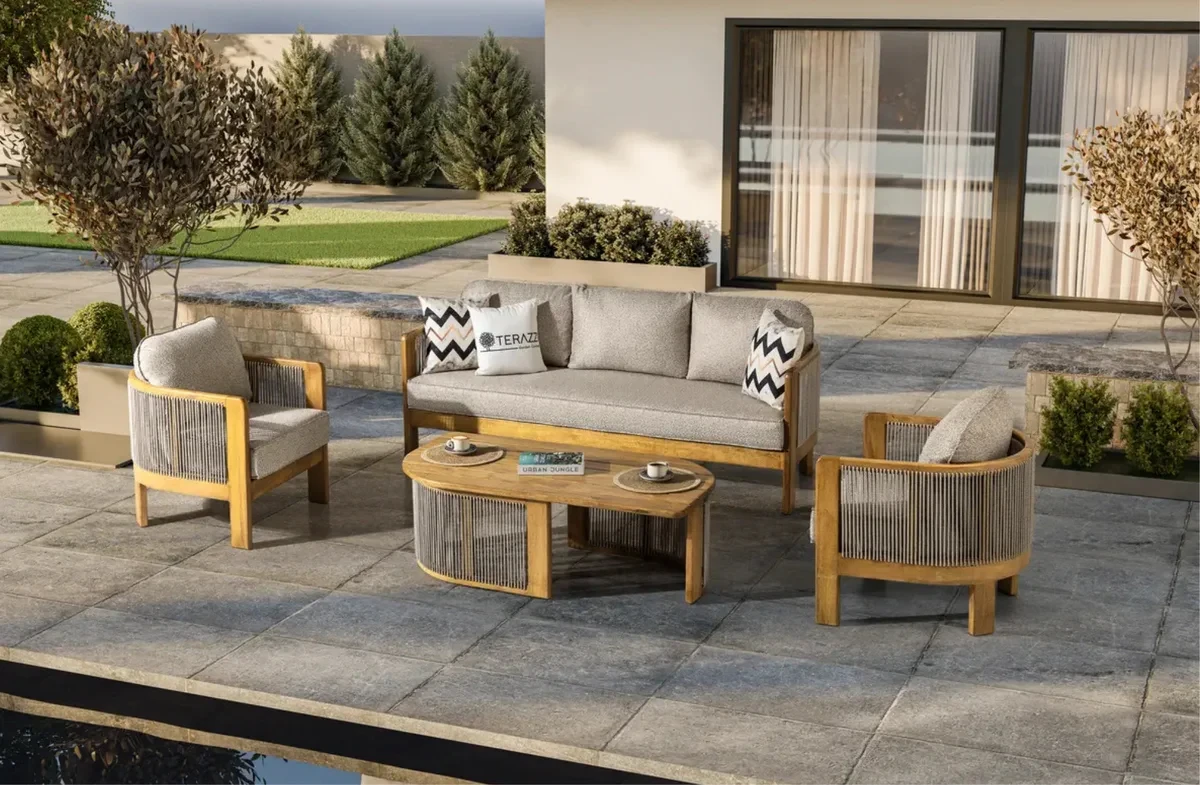 Differences Between Iroko and Teak Wood: Which is More Sensible for Garden Furniture?
02 November 2026 -
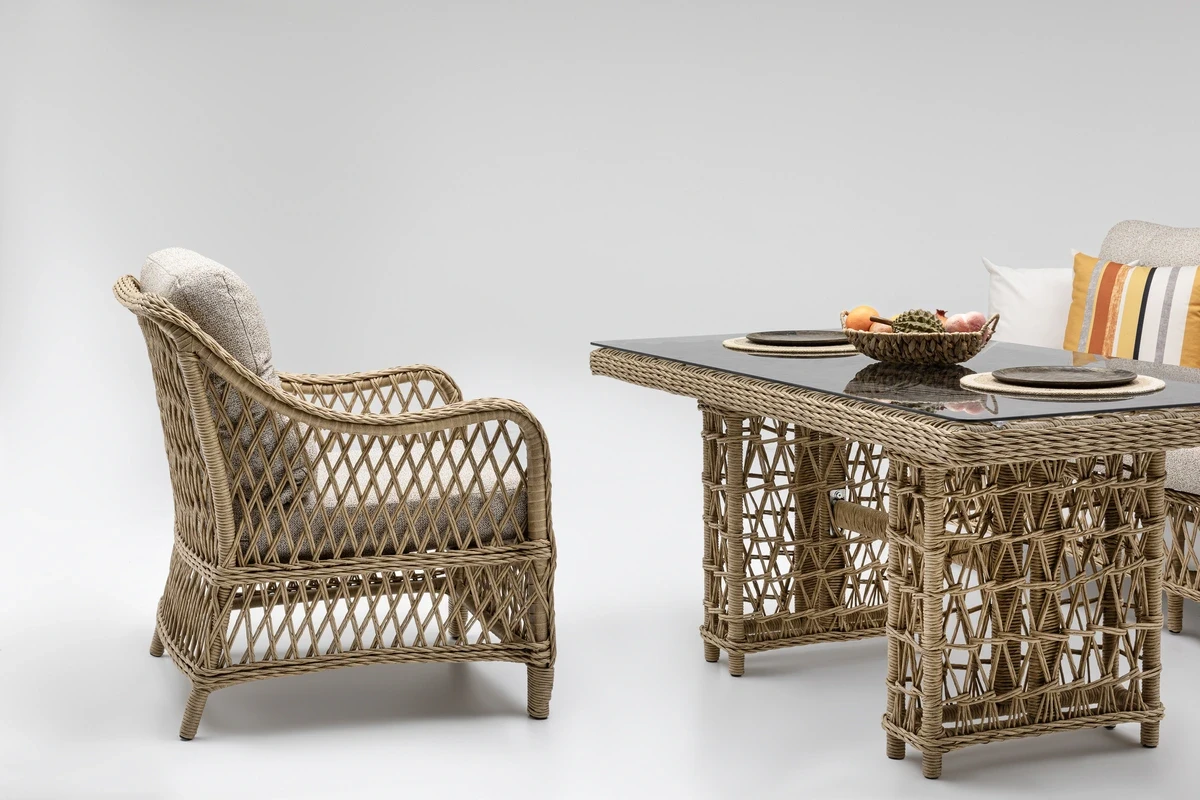 What is the difference between rattan and bamboo furniture?
02 November 2026 -
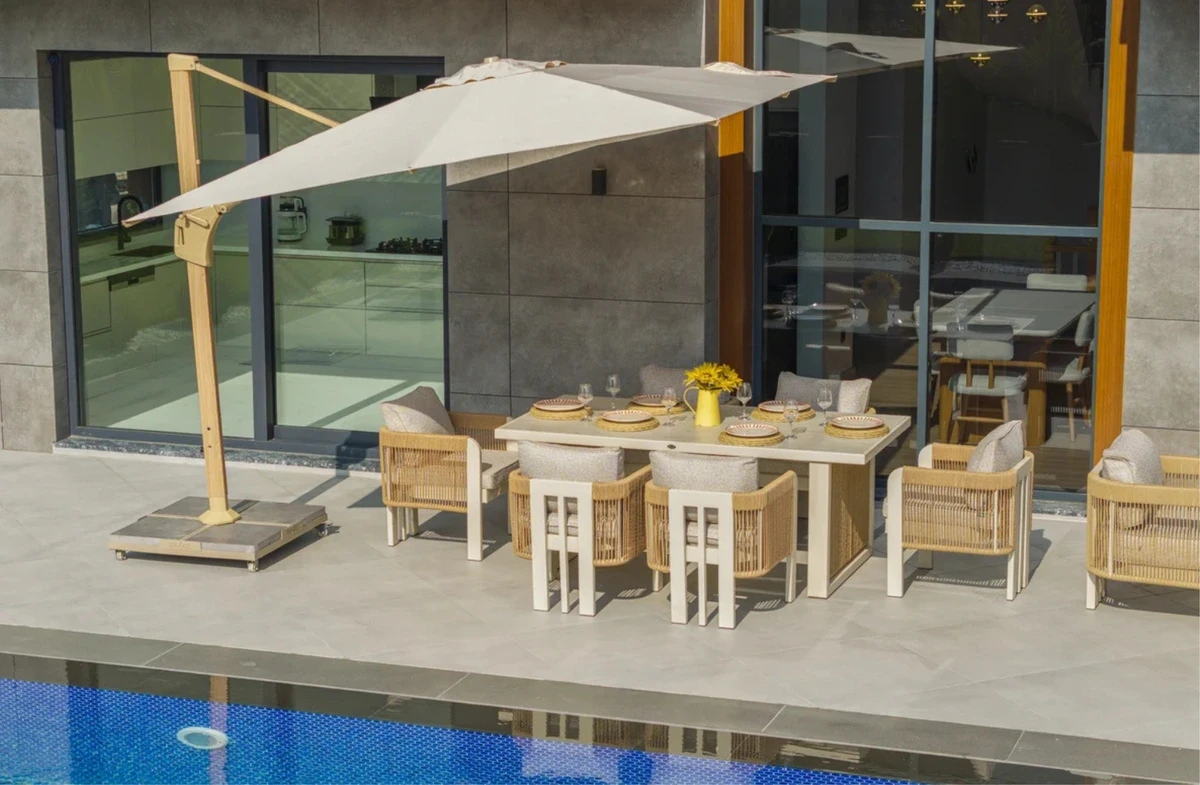 What should you pay attention to when choosing a garden or balcony umbrella?
02 November 2026 -
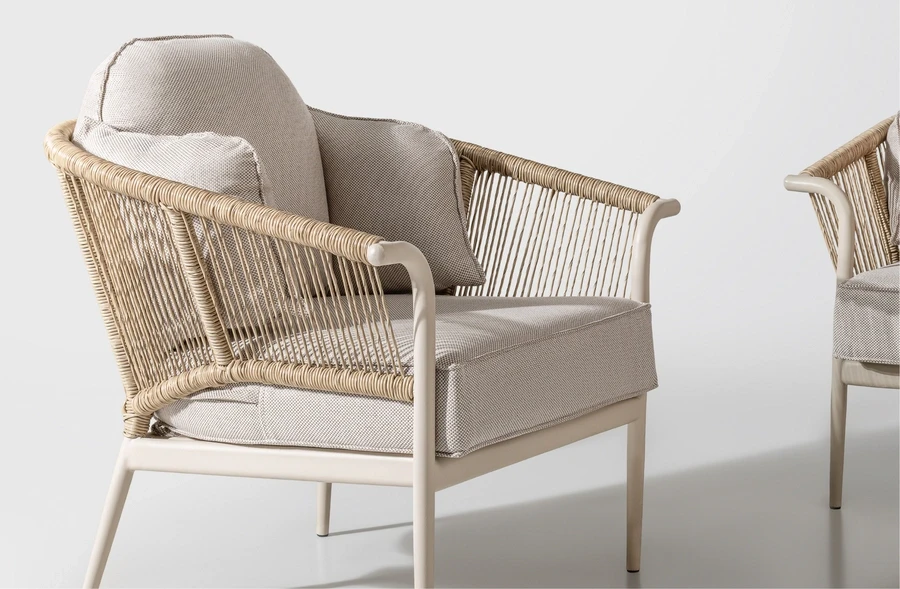 Cushion and Fabric Choices for Outdoor Furniture: Waterproof, Durable, and Comfortable Options!
02 November 2026 -
 Sun Loungers and Sunbeds: A Comfortable Guide for Poolside Use
02 November 2026 -
 Outdoor Dining Table Dimensions: How Much Space Do You Need?
02 November 2026 -
 2026's Popular Garden Furniture Collections
02 November 2026 -
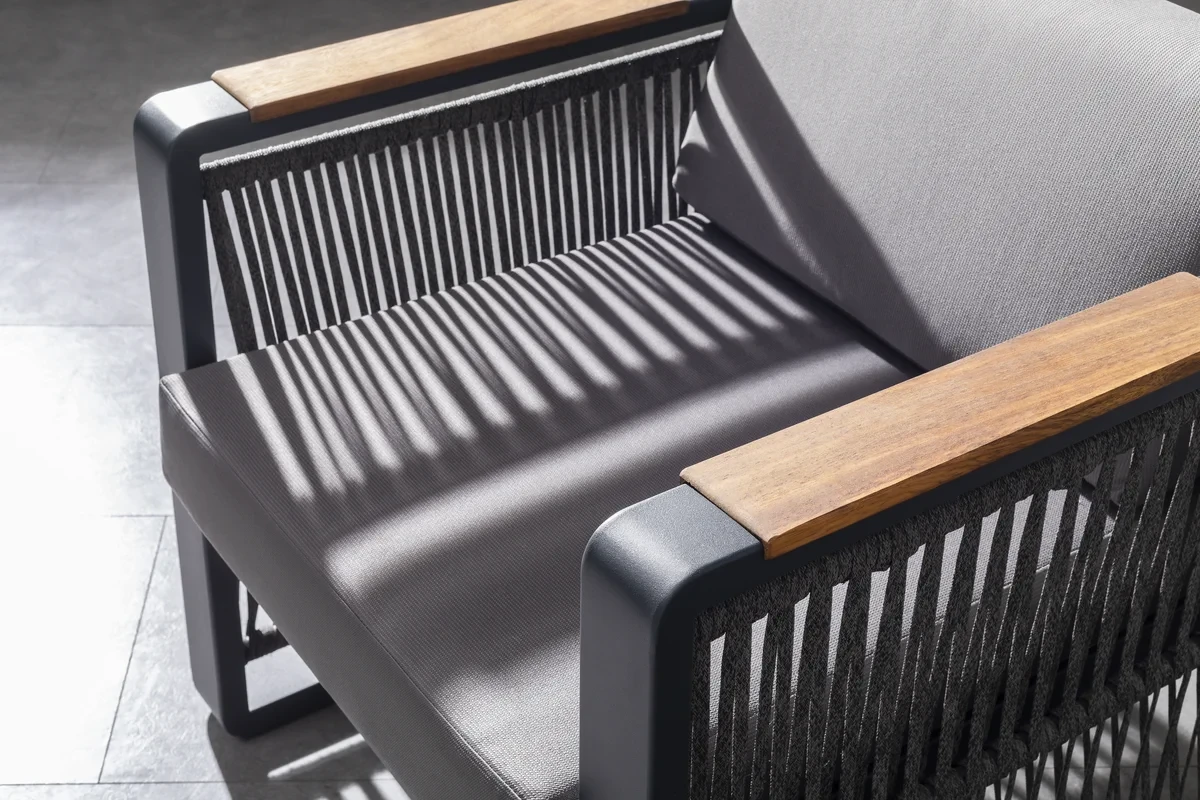 Which Garden Furniture Can Stay Outside All Year Round?
02 November 2026 -
 Garden Furniture Color Selection: How to Create an Outdoor Palette?
02 November 2026 -
 Terazzi Garden Furniture in the TV Series “Muhtemel Aşk”
02 November 2026 -
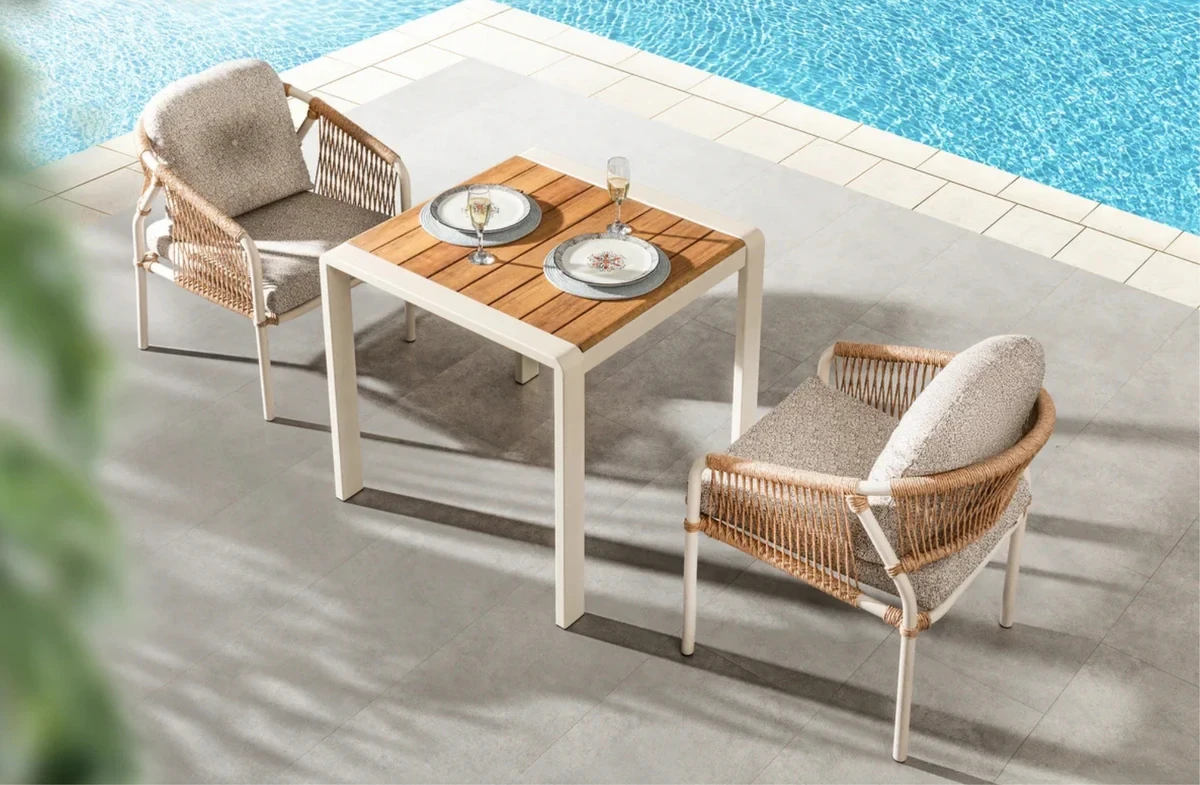 Garden Furniture Trends: Sustainable Materials and Recyclable Designs
02 November 2026 -
 Ways to Use Your Garden and Terrace for Longer in Autumn
02 November 2026 -
 Balcony Furniture Recommendations for Enclosed and Glass-Enclosed Balconies
02 November 2026 -
 Terazzi Garden Furniture Steals the Spotlight in the TV Series Teşkilat!
02 November 2026 -
 Choosing Outdoor Furniture for Residential Complexes and Shared Residence Areas
02 November 2026