












What is the difference between rattan and bamboo furniture?
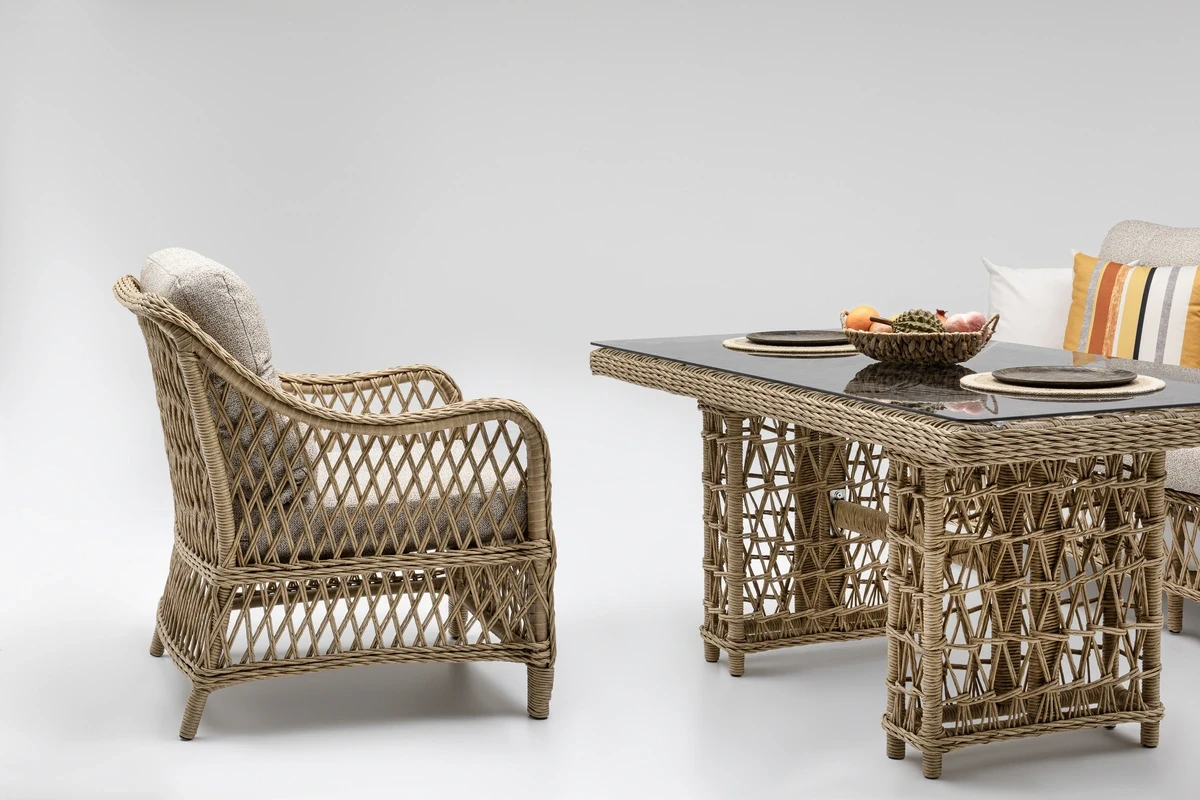
Rattan is used to create woven furniture surfaces, while bamboo is mainly used for frames and structural details. The outdoor lifespan of these two materials should not be evaluated according to the same criteria. Rattan is flexible, can be woven, and works well on seating and backrest surfaces. Bamboo, on the other hand, has a jointed, hollow, and long-fiber structure and is used for legs, frames, panels, side tables, and complementary furniture elements.
What Is Rattan Furniture?
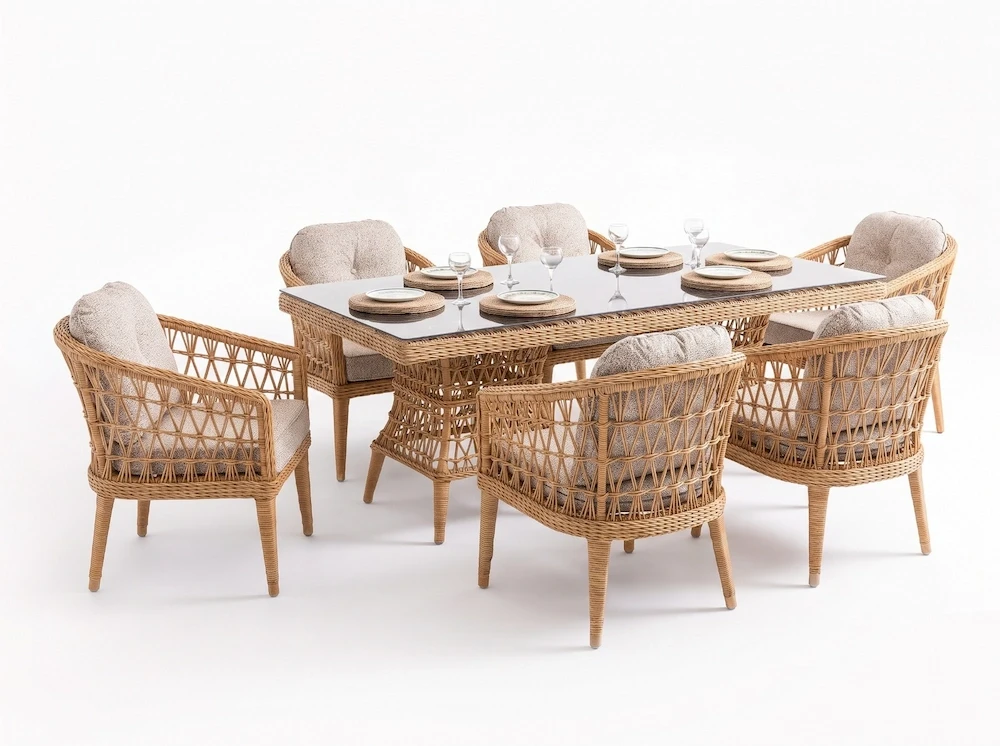
Rattan is a flexible fibrous material obtained from the stems of climbing palms that grow in tropical regions. Natural rattan can be bent and woven because of its flexible structure. This is why it is commonly used on chair backs, seat surfaces, table surrounds, and decorative side panels.
The main weakness of natural rattan outdoors is exposure to moisture and sunlight. Products left in the rain for extended periods may experience fiber loosening, fading, and surface breakage. Under intense sunlight, the surface may dry out and become brittle. Natural rattan maintains its form for longer when used in protected spaces such as enclosed balconies, verandas, or covered terraces.
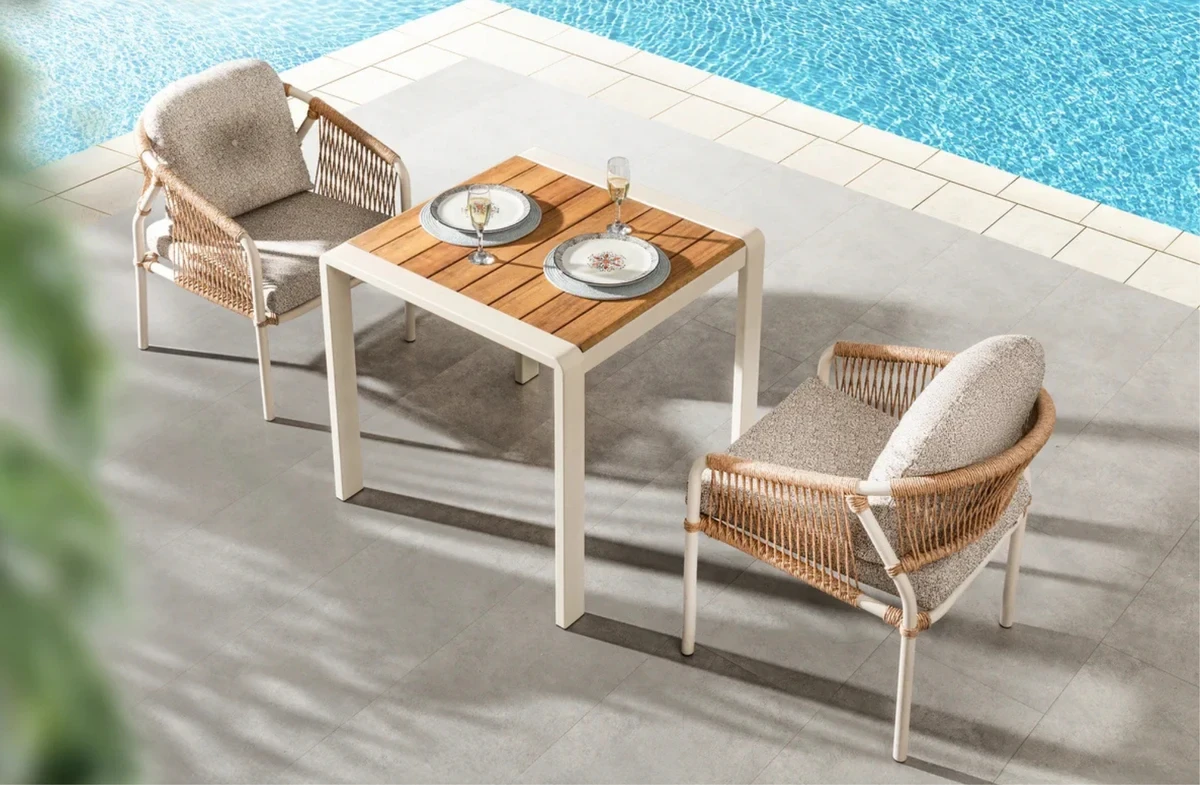
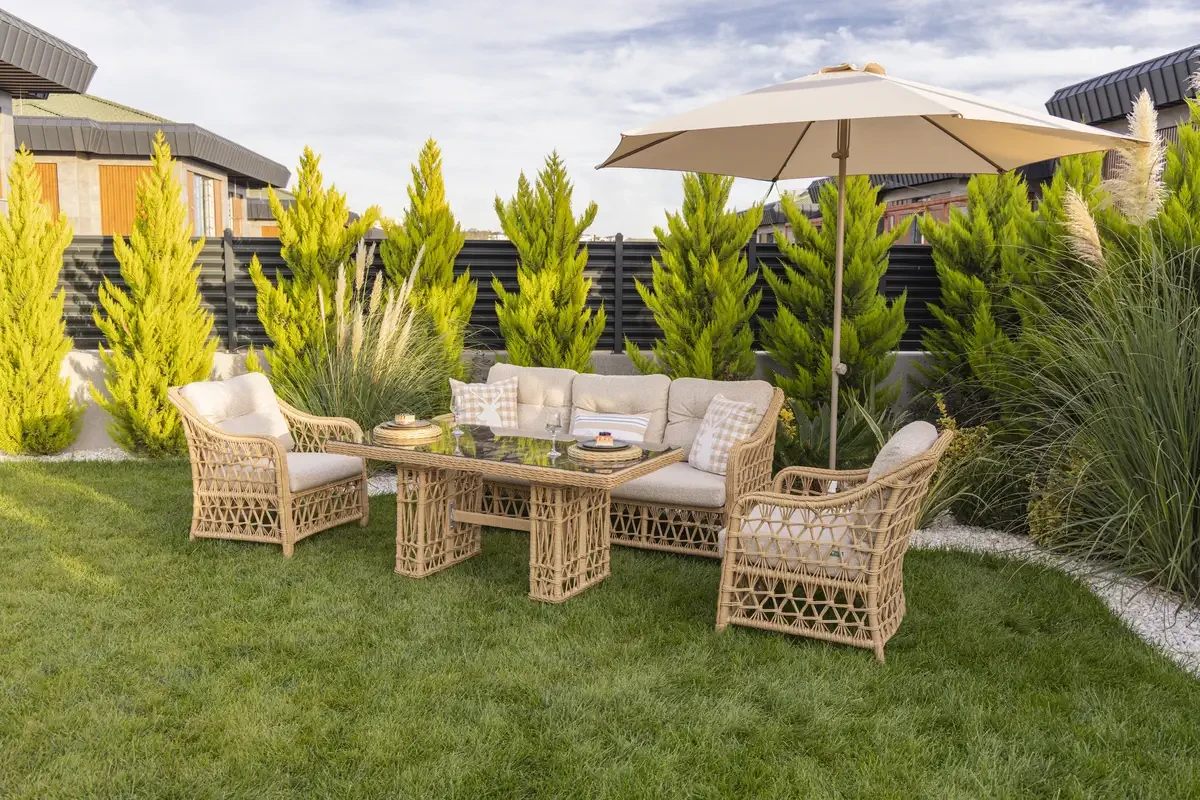
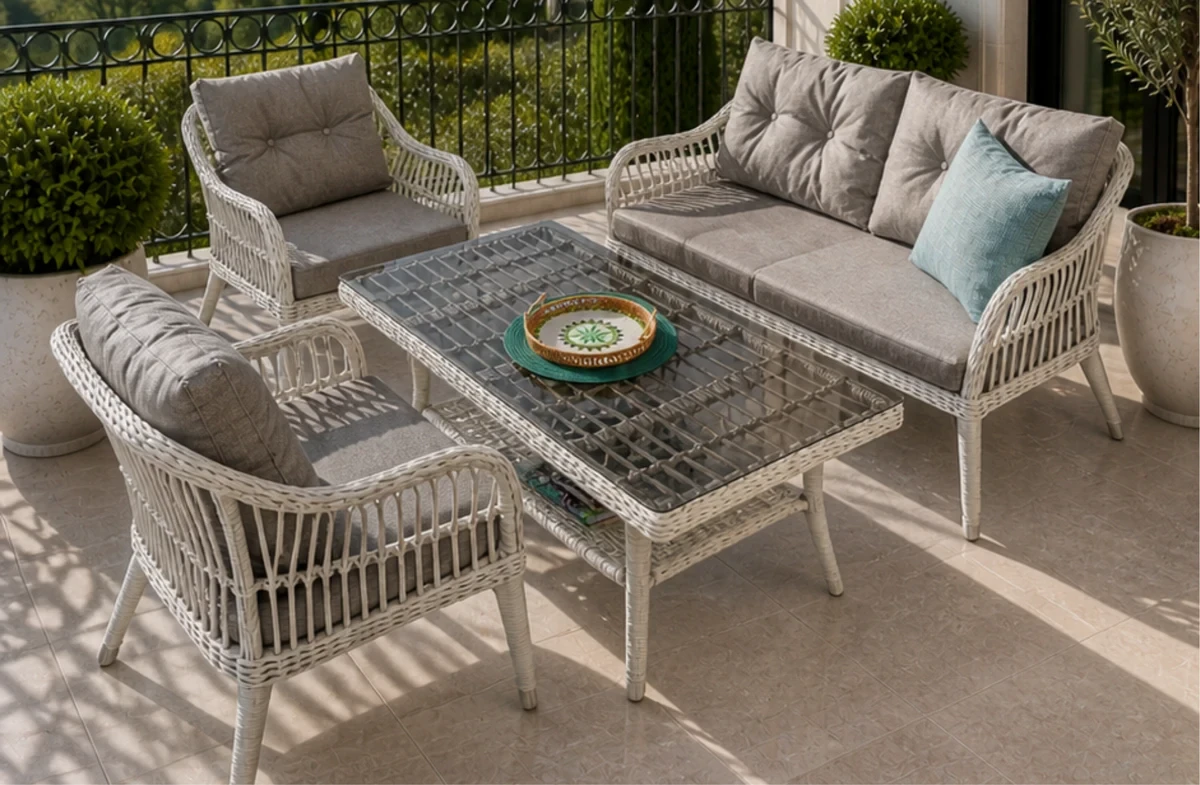
Outdoor furniture with a rattan appearance is often made with PE rattan. PE rattan is a synthetic woven material based on polyethylene. When manufactured with UV-resistant additives, it provides greater resistance to sunlight, moisture, and repeated cleaning than natural rattan. Combined with an aluminum frame, it creates lightweight, easy-to-clean furniture with relatively low maintenance requirements.
The outdoor performance of PE rattan is primarily determined by the quality of its UV-stabilized polymer structure. The natural rattan appearance is mainly an aesthetic characteristic. For rattan-style outdoor furniture exposed to sun and rain, surface stability depends on polymer quality and weaving density.
What Is Bamboo Furniture?
Bamboo is not a woven material like rattan. It has a jointed, hollow structure with long fibers. In furniture, it is commonly used for legs, frames, tables, screens, panels, and decorative structural components.
The most sensitive areas of bamboo furniture are usually the connection points. Screw locations, leg joints, and nodes may crack over time under moisture and load. When the protective oil or varnish layer weakens, bamboo can absorb water quickly, which may lead to swelling, dullness, or raised fibers.
Bamboo can maintain its form for longer on rain-protected balconies and verandas because the risk of cracking is reduced. In fully exposed gardens, poolside areas, or terraces receiving continuous sunlight, protective surface treatments should be renewed regularly.
If bamboo furniture will be used in a garden, shade conditions, ground moisture, and whether the furniture can be moved indoors during winter should all be considered.
Key Differences Between Rattan and Bamboo
| Difference | Rattan | Bamboo |
|---|---|---|
| Role in furniture | Used for woven surfaces, backs, seats, and side panels | Used for frames, legs, structural elements, tables, and panels |
| Material behavior | Flexible and suitable for weaving | Rigid, jointed, and hollow |
| Outdoor performance | Natural rattan is sensitive to moisture; PE rattan performs better outdoors | Lifespan depends on surface protection and connection quality |
| Main risk | Natural fibers may loosen under continuous rain and direct sun | Wet surfaces, high humidity, and weak joints can increase cracking risk |
| Suitable area | PE rattan is suitable for open gardens, terraces, and poolside areas | More suitable for covered balconies, verandas, and shaded spaces |
| What to check before buying | Weaving density, UV stabilization, frame material, and cushion fabric | Surface protection, screw points, ground contact, and node areas |
Rattan or Bamboo for an Open Garden?
In a fully exposed garden with regular rain or direct sunlight, PE rattan generally requires less maintenance than natural rattan or bamboo. UV-stabilized polymer weaving helps slow fading and fiber deterioration. When combined with an aluminum frame, the risk of corrosion is reduced and the furniture remains relatively easy to move.
If an outdoor seating group will be used in an open area, three details should be checked together: frame material, weaving density, and cushion fabric. Irregular gaps in the weave may cause loosening over time. If the cushion fabric is not UV-resistant, the furniture may appear worn even when the frame remains structurally sound.
Bamboo can also be used in open gardens, but its protective surface treatment should be maintained regularly under repeated exposure to rain, humidity, and sunlight. If there is no protected area, bamboo may be more suitable for side tables, serving carts, screens, or complementary pieces rather than as the main seating furniture.
When evaluating outdoor furniture at Terazzi, the rattan appearance, aluminum frame, cushion fabric, and intended location can be considered together. In an open garden, sunlight and humidity are important; on a balcony, dimensions and ease of movement matter more; and on terraces, the relationship between seating and dining areas should also be considered.
Which Is More Practical for Balconies and Terraces?
On small balconies, furniture volume is just as important as material. Thick bamboo frames may restrict circulation. Slim-profile rattan balcony furniture can take up less visual and physical space while remaining practical for daily cleaning.
On enclosed balconies, bamboo can be used effectively for low-moisture applications such as side tables, individual chairs, or decorative panels. On open balconies exposed to rain, PE rattan reduces the risk of swelling and fiber loosening.
If there is less than 60–70 cm of circulation space around a dining table, thick bamboo chairs may make everyday use more difficult.
When planning a terrace, material selection should not be based on a single criterion. Instead, the conditions affecting different parts of the space should be evaluated separately. PE rattan can be used in the main seating area, while bamboo accessories may be positioned in shaded corners.
Choosing Between Rattan and Bamboo for Outdoor Furniture
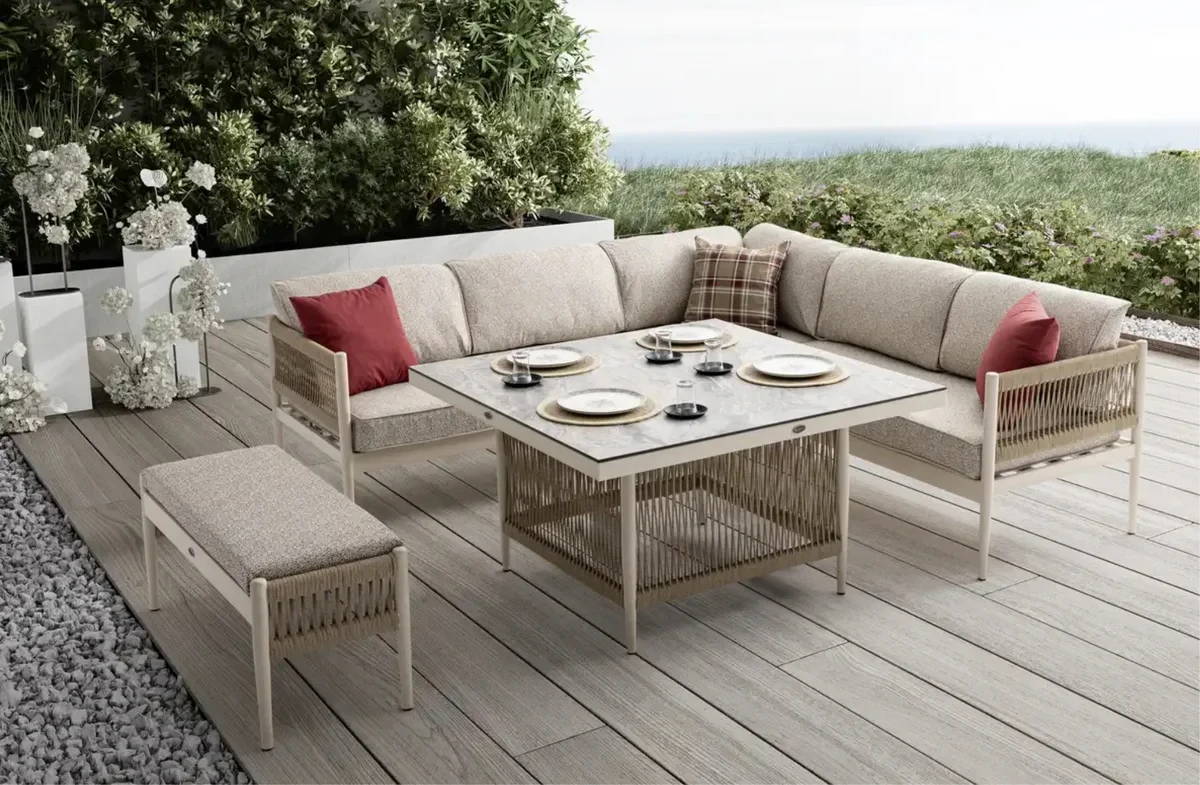
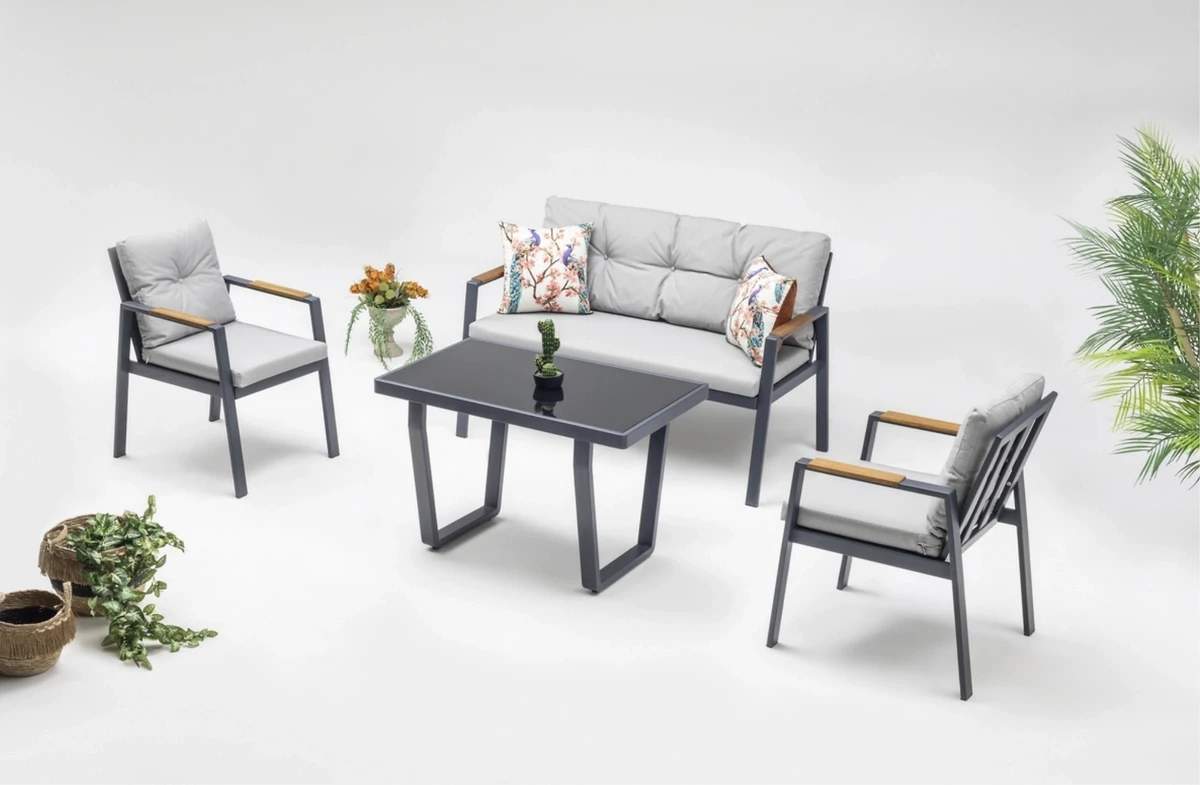
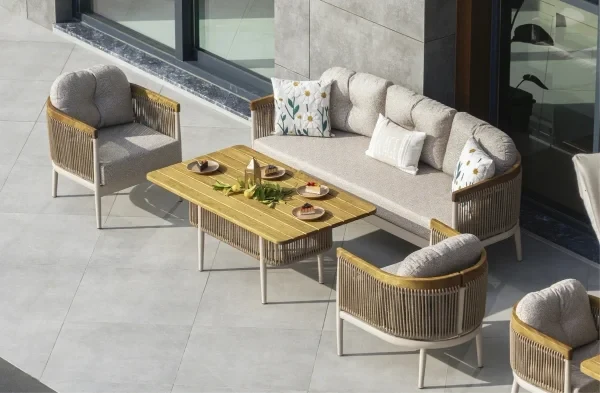
Rattan-style surfaces used in outdoor seating groups provide a lightweight appearance across seating and backrest areas. PE rattan combined with an aluminum frame generally requires relatively little maintenance outdoors. With bamboo-frame furniture, armrest, leg, and backrest connections should be inspected carefully.
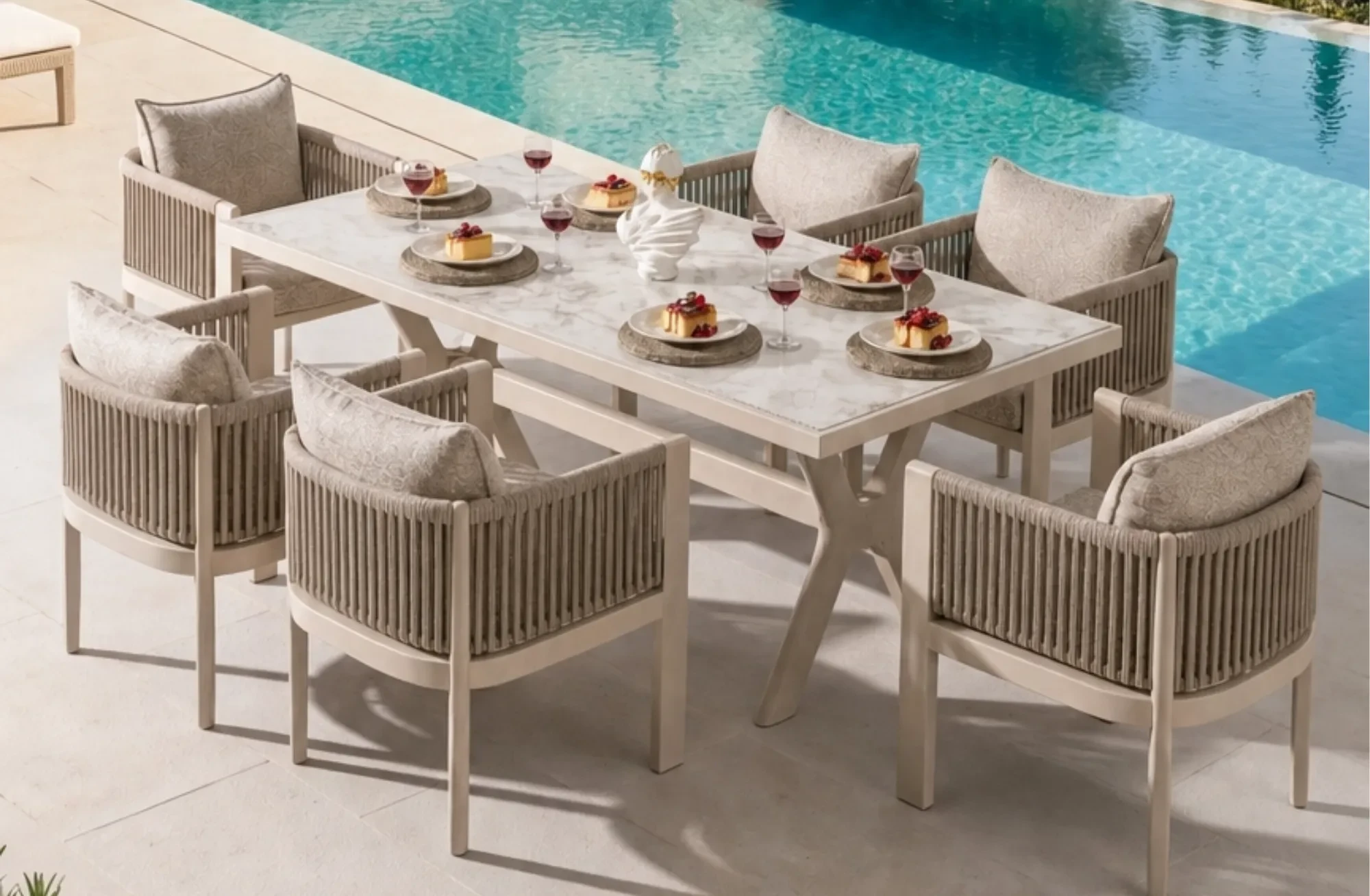
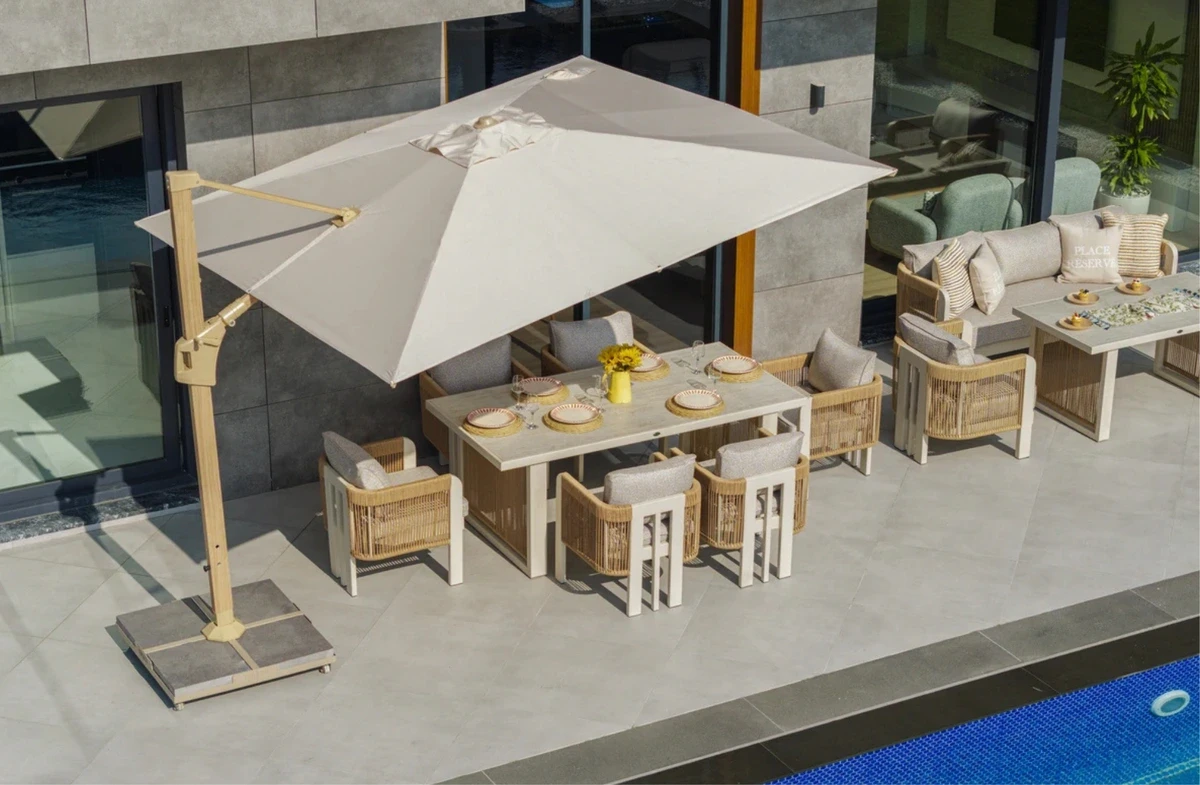
When choosing an outdoor dining table and chair set, the tabletop is just as important as the chairs. Rattan is usually used on chair backs and seating surfaces. For rattan dining sets, weaving tension, frame stability, and cushion fabric should all be checked together.
For bamboo dining furniture, surface protection, contact with hot dishes, and prolonged exposure of the legs to wet flooring should be considered.
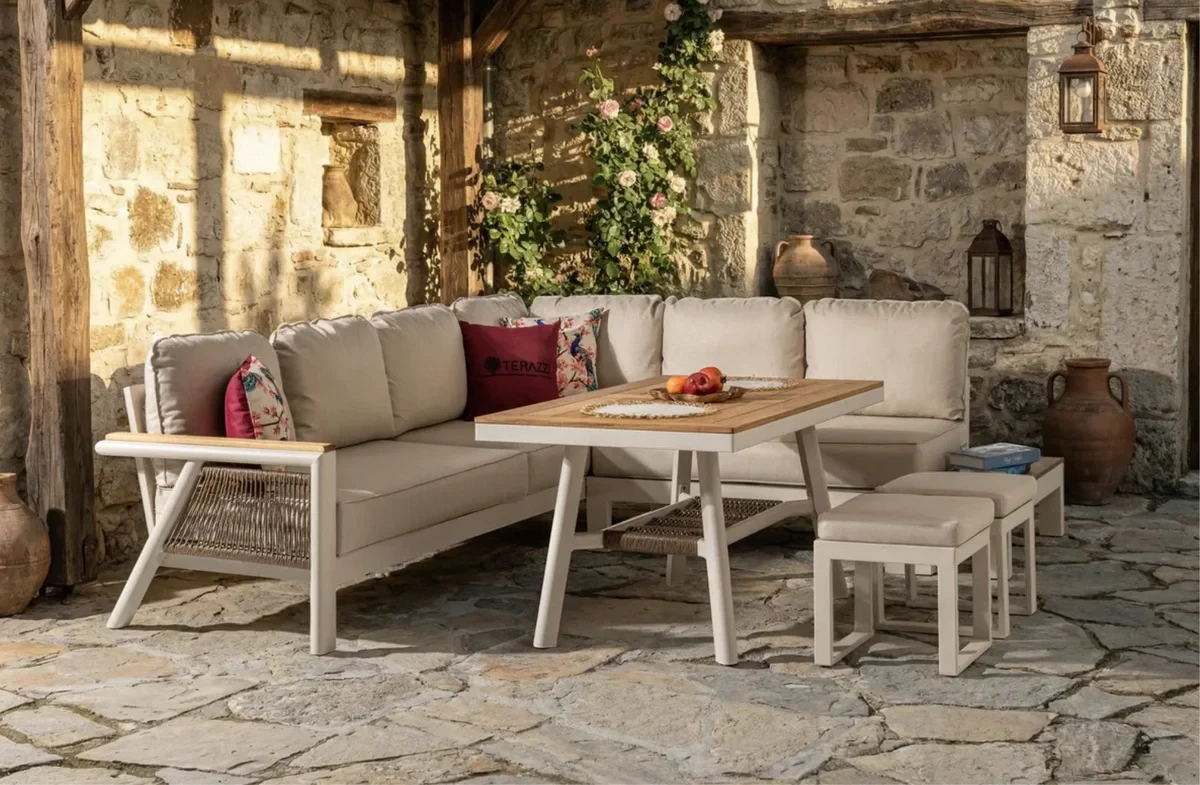
For complementary pieces such as armchairs, poufs, coffee tables, and side tables, usage frequency and rain exposure should be evaluated together. PE rattan offers an advantage on frequently used seating surfaces because it is relatively easy to clean. Bamboo can be used for side tables, serving areas, or decorative panels in rain-protected corners.
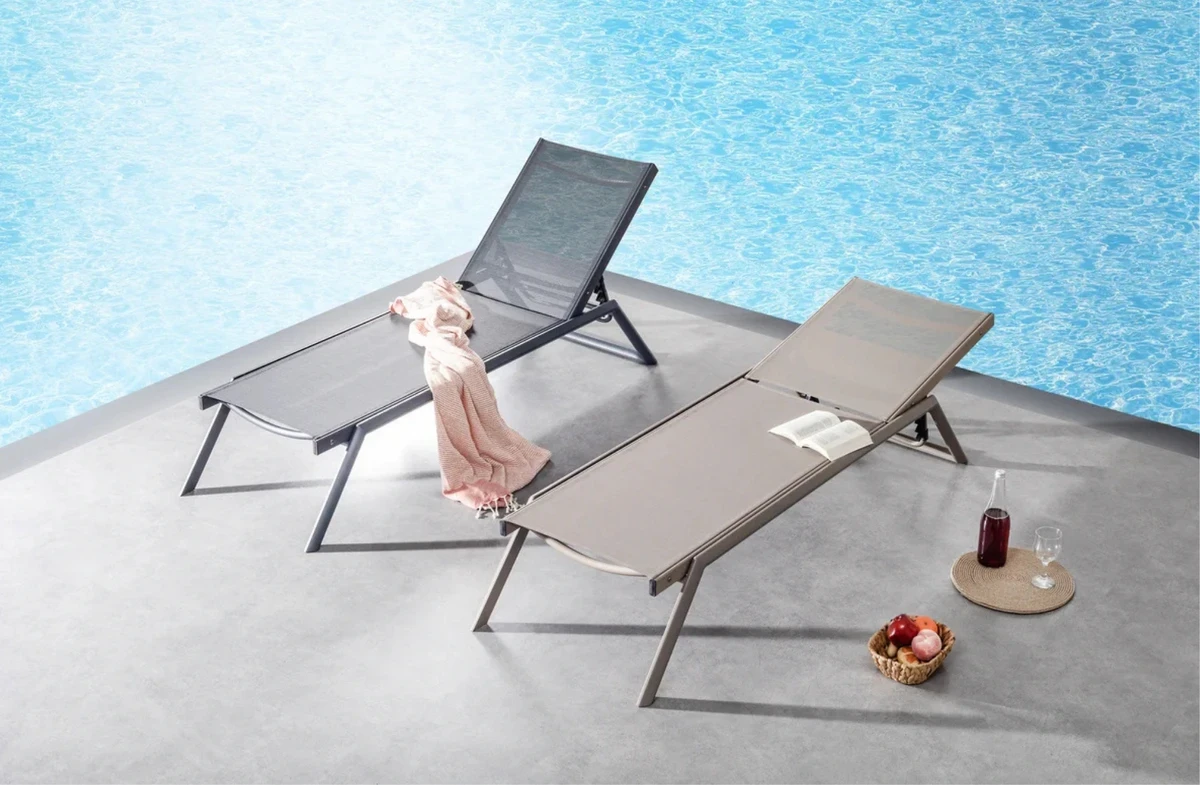
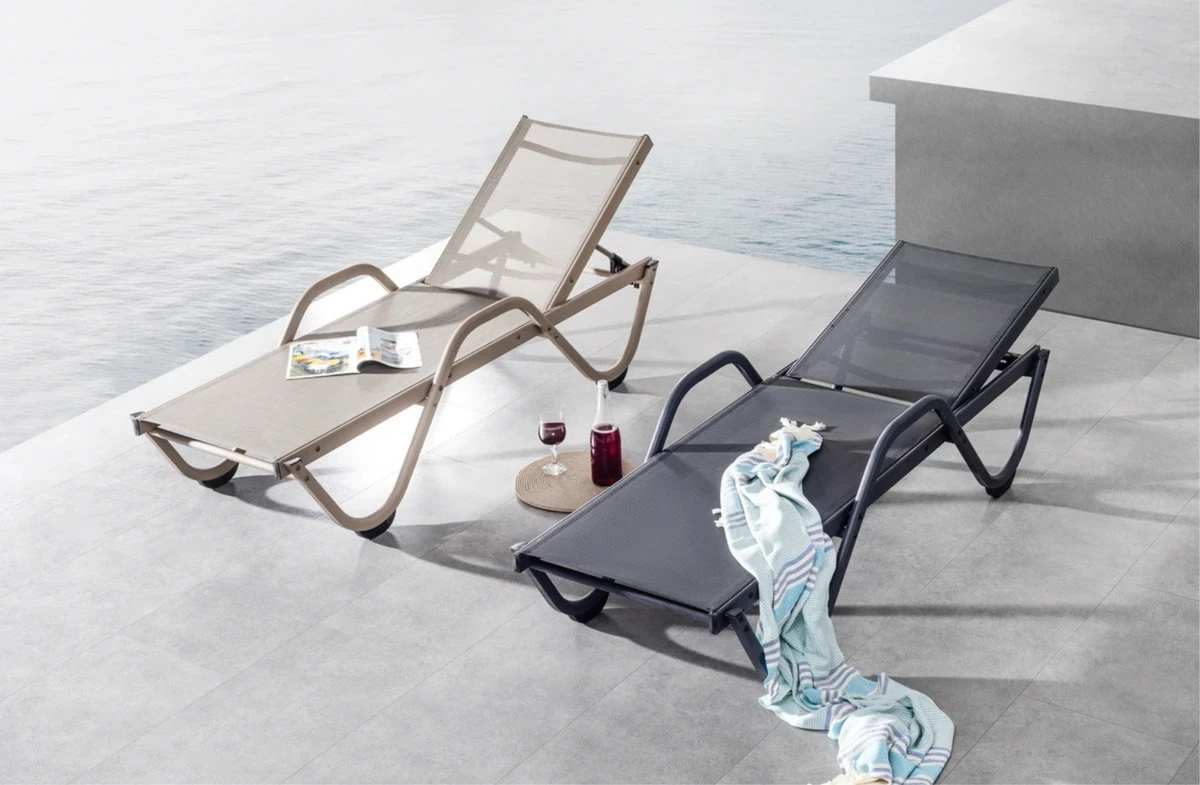
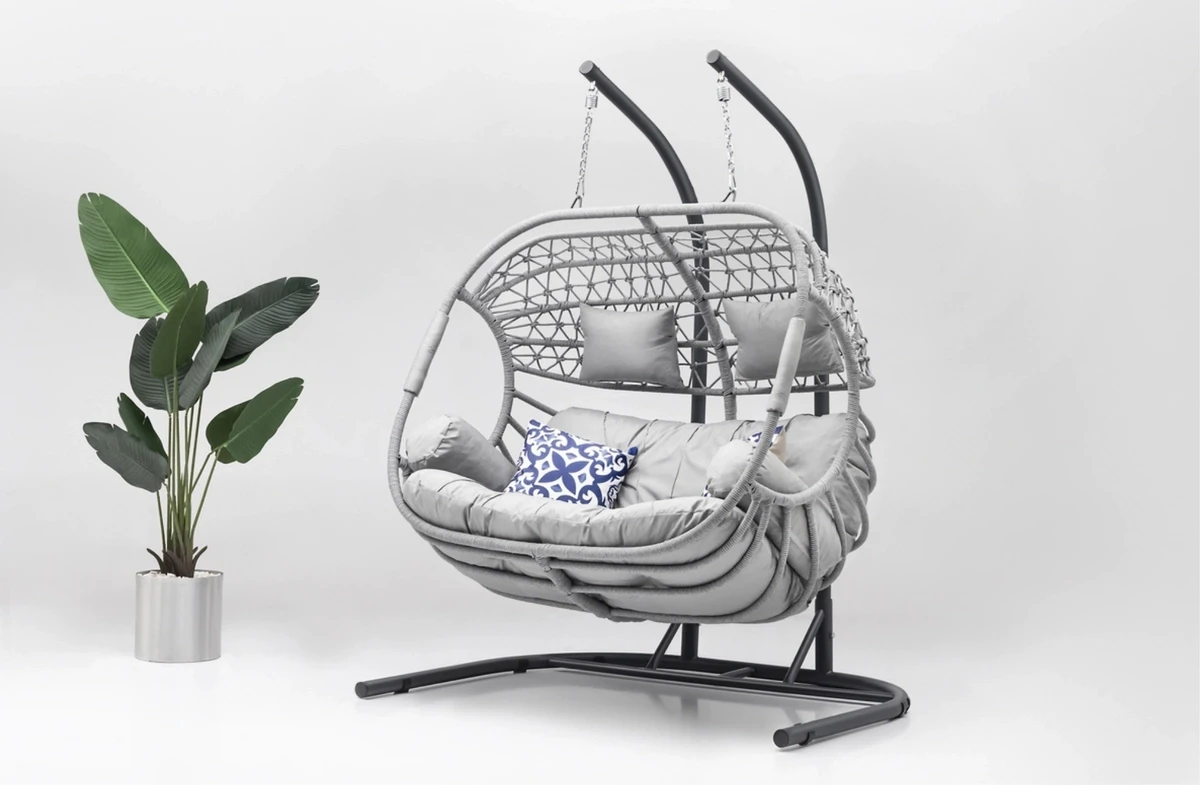
For furniture designed for sunbathing or swinging, the connection system may be more important than the surface material. Frame thickness, connection rings, hinge points, and load capacity should always be checked on moving products. For this reason, when evaluating sun loungers and outdoor swings, mechanical strength should take priority over whether the product has a rattan or bamboo appearance.
What Should You Check When Buying Rattan or Bamboo Furniture?
It is not enough for a product to simply be described as “rattan” or “bamboo.” Rattan-style furniture may use PE rattan rather than natural rattan. Likewise, bamboo-look furniture may use another material or surface finish instead of real bamboo.
Key points to check include:
- Is the rattan natural or PE rattan?
- If PE rattan is used, does it include UV stabilization?
- Is the frame made from aluminum, steel, or bamboo?
- Is the weaving tight and even?
- Is the cushion fabric water-repellent and UV-resistant?
- Does the bamboo surface have protective oil or varnish?
- Are screw points, leg joints, and bamboo nodes in good condition?
- Can the product be moved indoors for winter storage if necessary?
The appearance of the product when new can be misleading. In many cases, long-term durability is determined more by the frame, connections, and surface protection.
How to Maintain Rattan and Bamboo Furniture
Natural rattan should not be washed with excessive amounts of water. Dust between the fibers should be removed with a soft brush, and the surface should be wiped with a slightly damp cloth. Leaving natural rattan wet for long periods may cause the weave to loosen.
PE rattan is relatively easy to clean. Lukewarm water, a soft cloth, and a non-abrasive cleaner are usually sufficient. Connection points on aluminum-frame furniture should also be inspected periodically.
Bamboo furniture requires regular protective surface maintenance. Water should not remain on the product after rain, and the legs should not stay in contact with wet flooring for long periods. When the protective coating weakens, bamboo can absorb moisture more quickly, increasing the risk of cracking.
Final Decision: Rattan or Bamboo for Outdoor Furniture?
The right choice depends less on the material name and more on where the furniture will be used. For open gardens, poolside areas, and terraces exposed to rain, PE rattan with an aluminum frame generally reduces maintenance requirements. On enclosed balconies and verandas, bamboo can perform well for side tables and complementary furniture.
Natural rattan is better suited to spaces protected from direct rain and intense sunlight. For rattan outdoor furniture, the weaving structure, UV stabilization, and frame material are important. For bamboo products, surface protection and connection points play a more significant role.
In summary, for main outdoor seating furniture in exposed outdoor areas, PE rattan is generally the more practical option. Bamboo is better suited to rain-protected spaces, while structural strength, leg connections, and load capacity should always be checked before focusing on material appearance alone.
Frequently Asked Questions About Rattan and Bamboo Furniture
Which is more durable outdoors: rattan or bamboo?
For fully exposed outdoor areas, PE rattan generally requires less maintenance than bamboo. Bamboo can maintain its form for a long time on balconies and verandas protected from rain.
What is the difference between natural rattan and PE rattan?
Natural rattan is made from plant fibers and is sensitive to moisture. PE rattan is a synthetic polyethylene-based weave. When manufactured with UV stabilization, it is better suited to outdoor conditions.
Can bamboo furniture be used in the rain?
Bamboo furniture can tolerate short-term moisture, but it should not be left continuously exposed to rain. When the protective surface treatment weakens, swelling, cracking, and raised fibers may occur.
Which is better for balcony furniture: rattan or bamboo?
PE rattan is generally more practical for narrow, open balconies. On enclosed balconies, bamboo can be used for side tables, individual chairs, or decorative accessories.
Should I choose a rattan or bamboo dining set?
For dining sets used in fully exposed outdoor areas, PE rattan weaving combined with an aluminum frame generally requires less maintenance. Bamboo dining furniture can perform well on rain-protected balconies and verandas when the surface treatment is maintained regularly.


-
 Turn Your Balcony into a Winter Garden with Garden Furniture: Step by Step Guide
22 May 2026 -
 Features of Iroko Groups in Wooden Garden and Balcony Furniture
22 May 2026 -
 What is Aluminum Garden and Balcony Furniture?
22 May 2026 -
 What is Rope Knitted Garden Furniture?
22 May 2026 -
 Outdoor Lighting and Furniture: How to Create the Right Balance
22 May 2026 -
 Outdoor Furniture Cleaning Guide: How to Keep It Looking Like New
22 May 2026 -
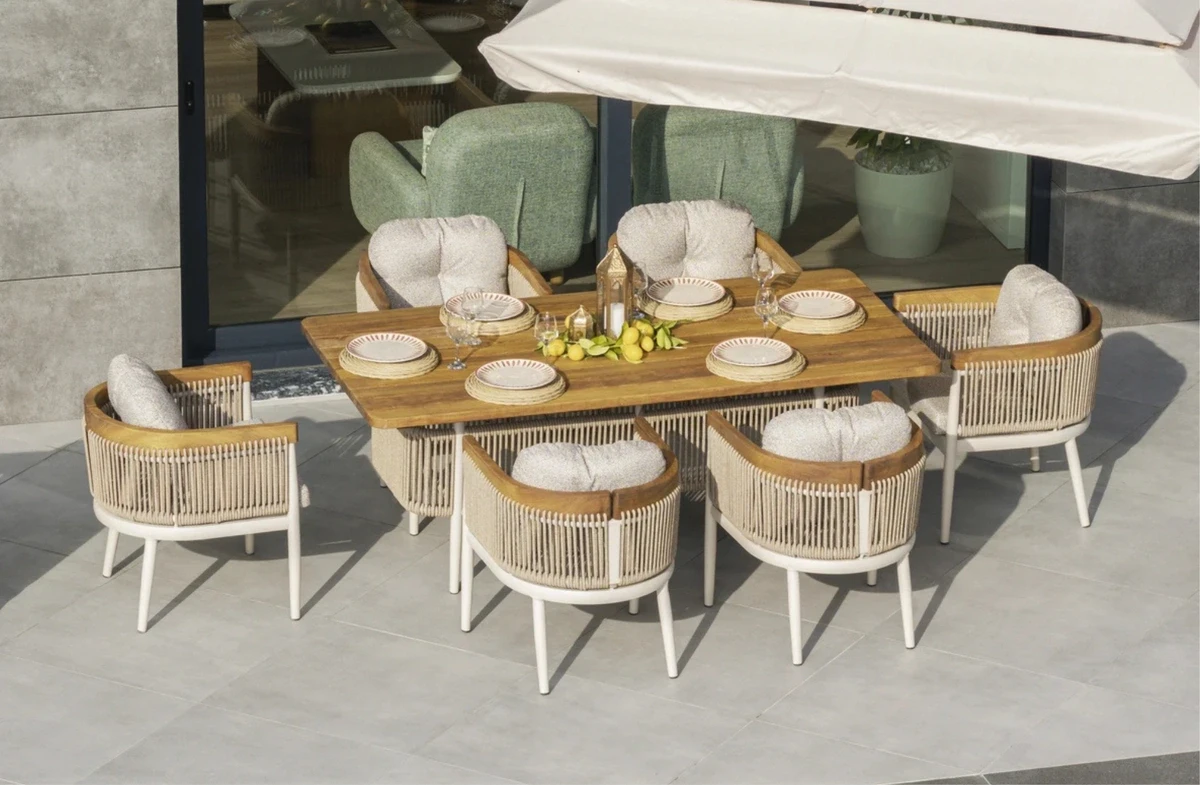 Outdoor Seating Layout Guide for Large Terraces
22 May 2026 -
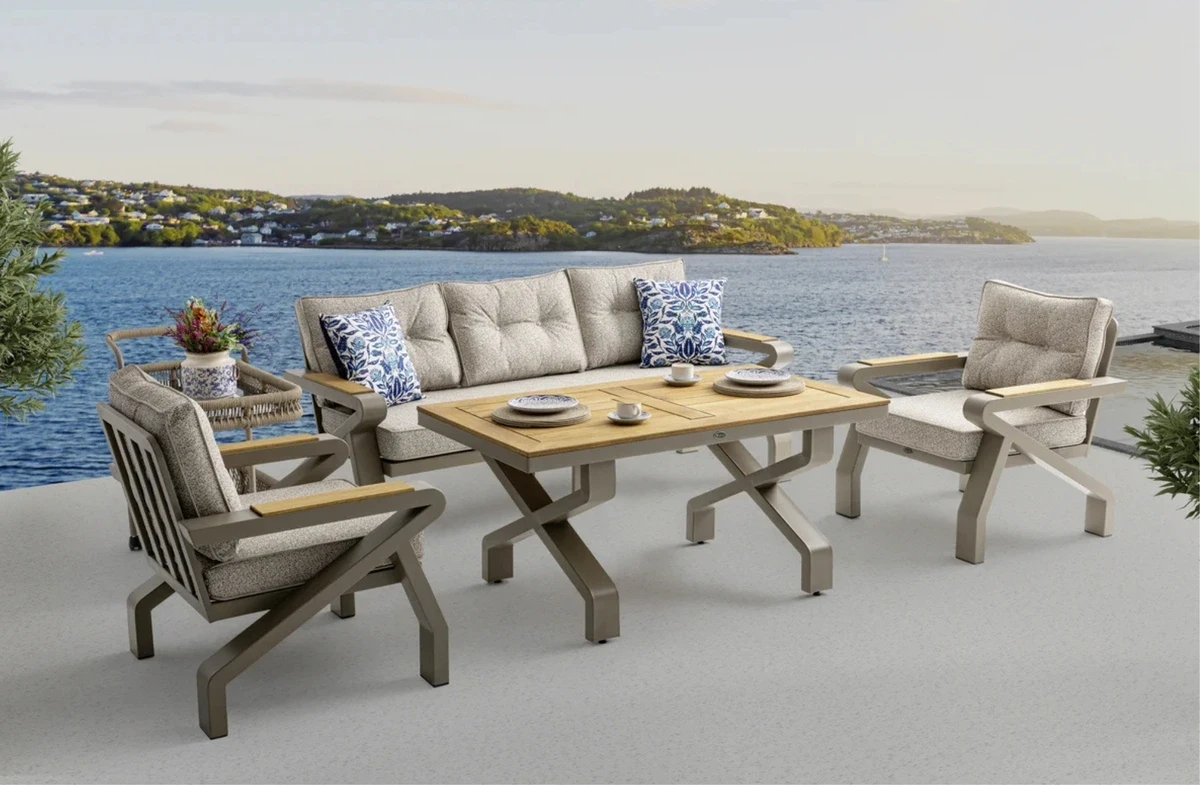 Why Is Aluminum Preferred for Outdoor Furniture?
22 May 2026 -
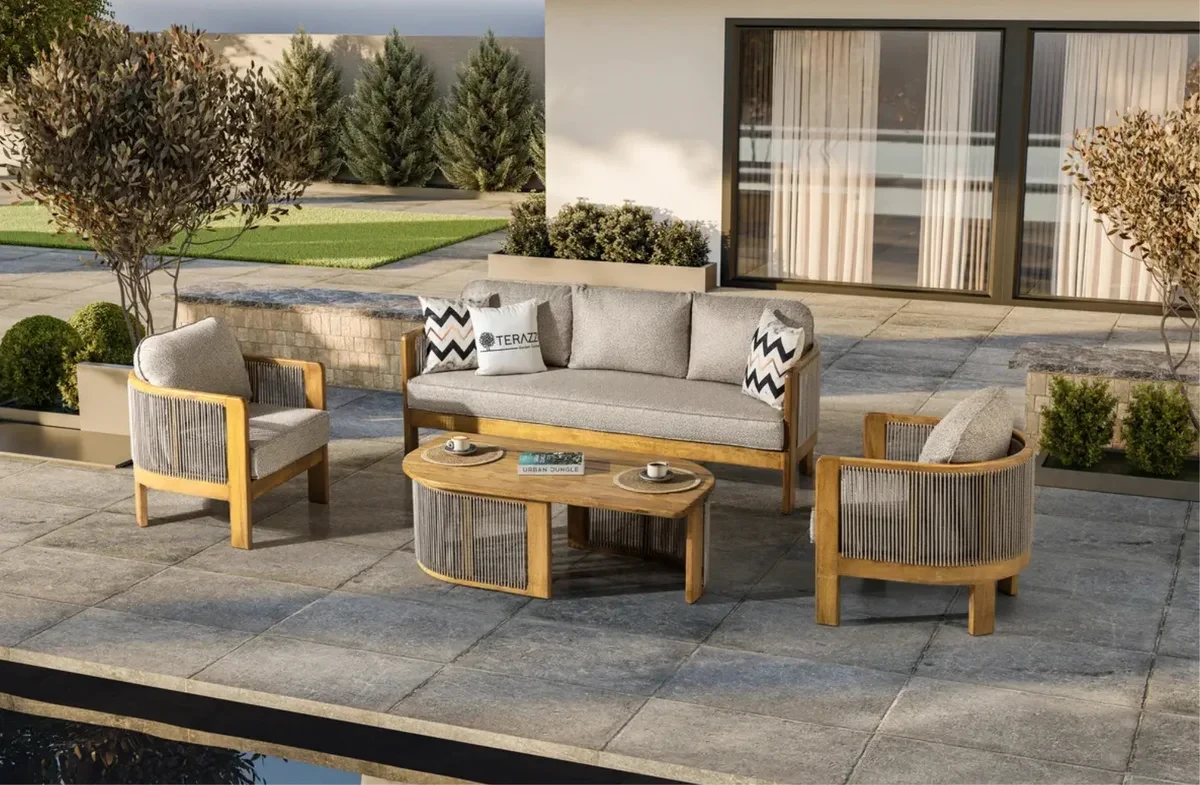 Villa Garden Decoration Ideas and 2026 Design Trends
22 May 2026 -
 Choosing Outdoor Furniture for Hotels and Restaurants
22 May 2026 -
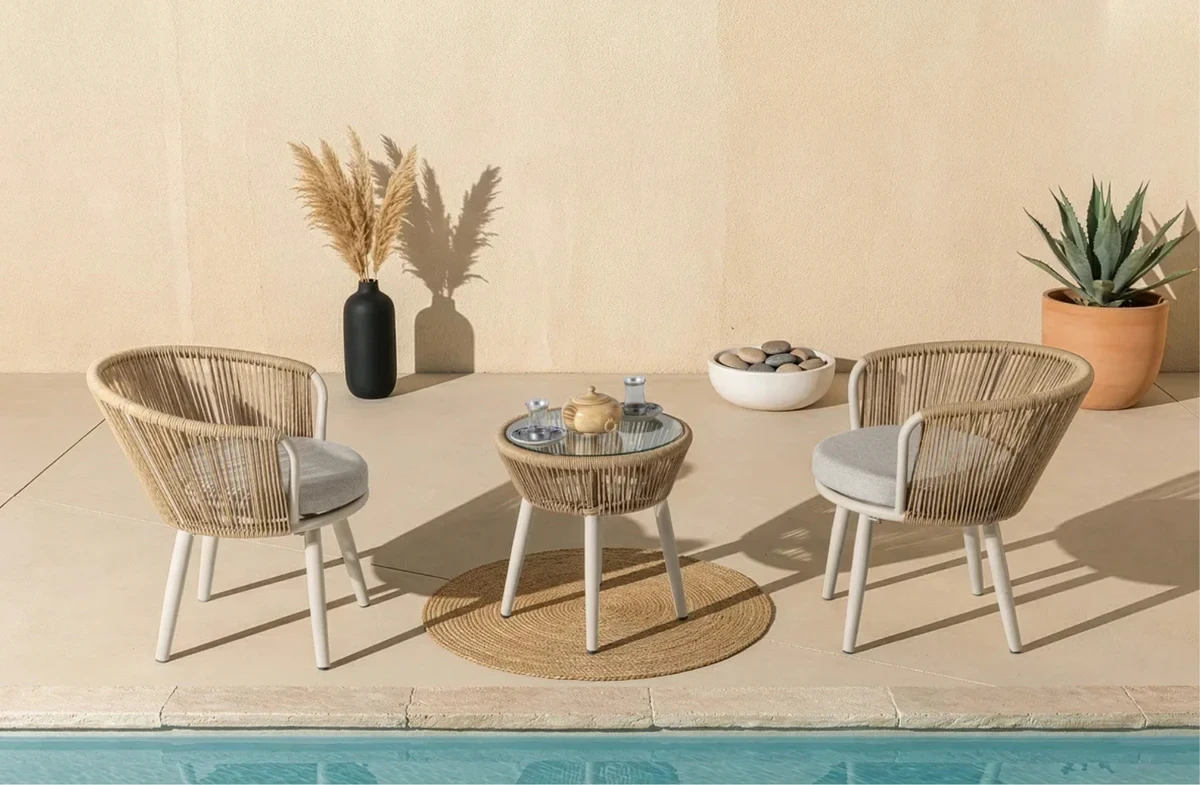 Decorating Ideas for Small Balconies: A Guide to Measurements, Materials, and Placementi
22 May 2026 -
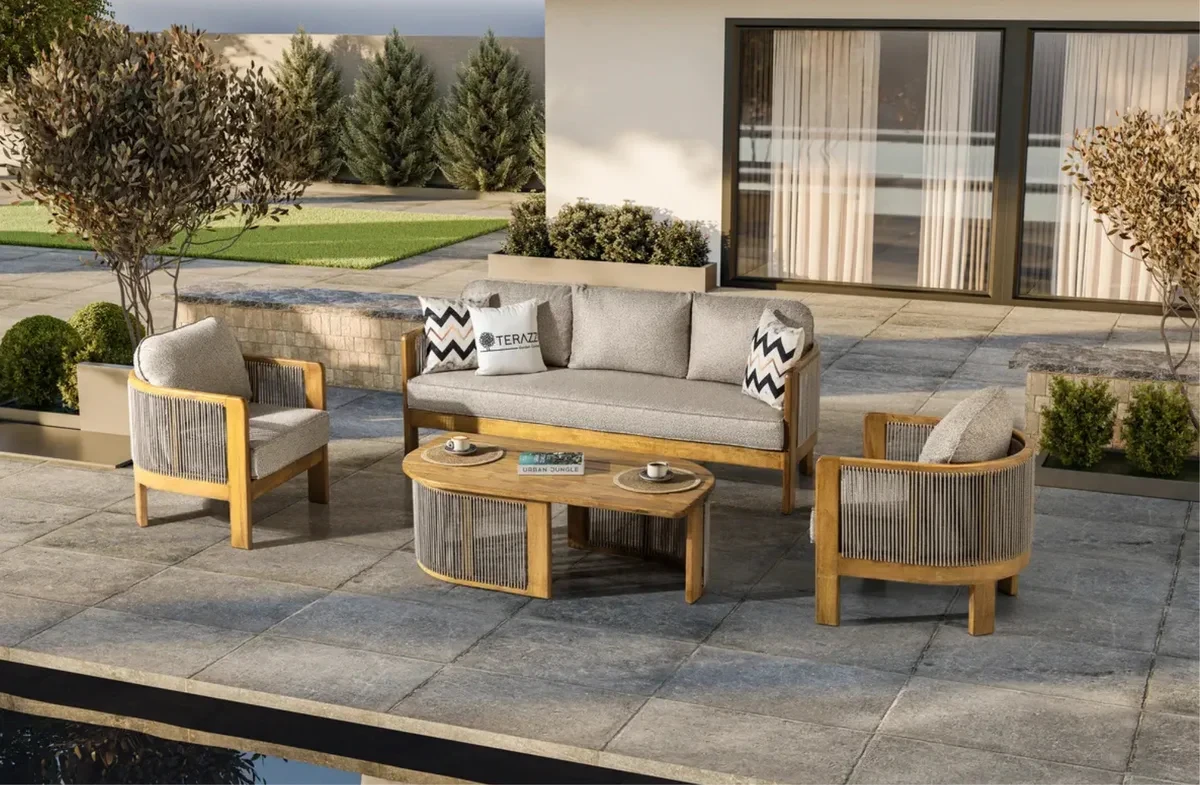 Differences Between Iroko and Teak Wood: Which is More Sensible for Garden Furniture?
22 May 2026 -
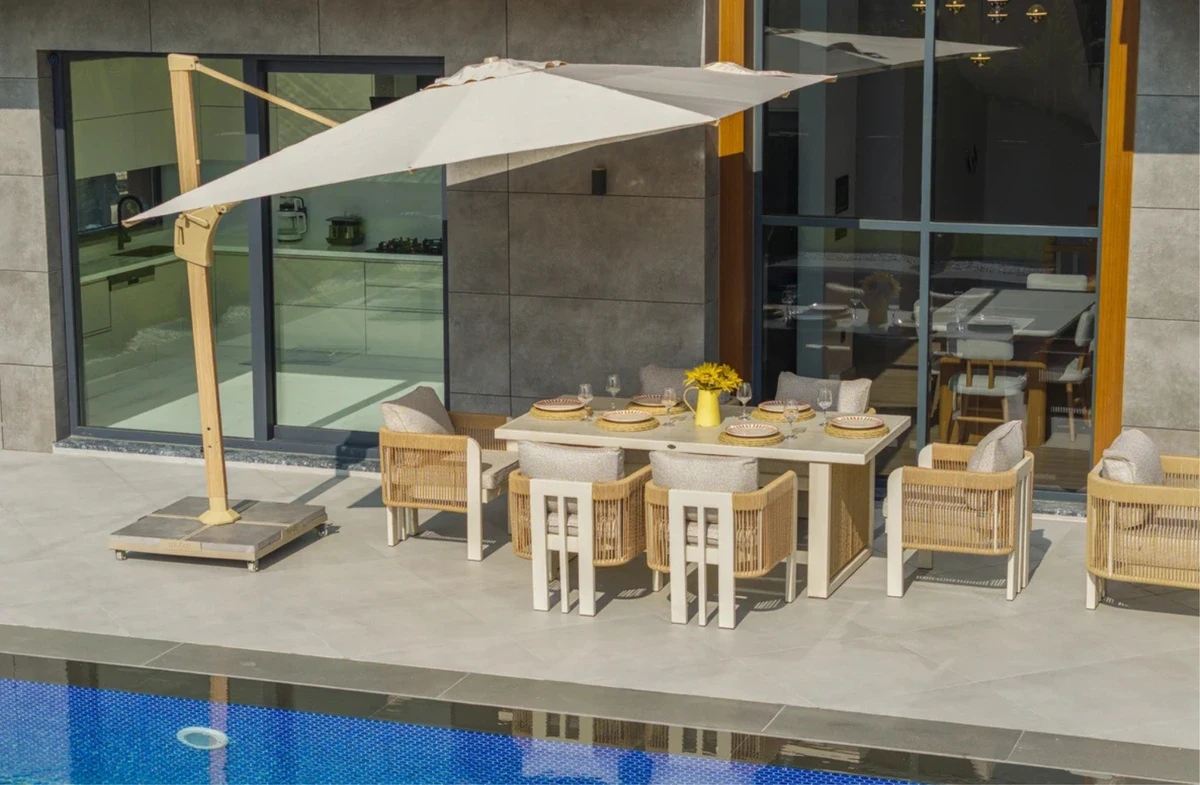 What should you pay attention to when choosing a garden or balcony umbrella?
22 May 2026 -
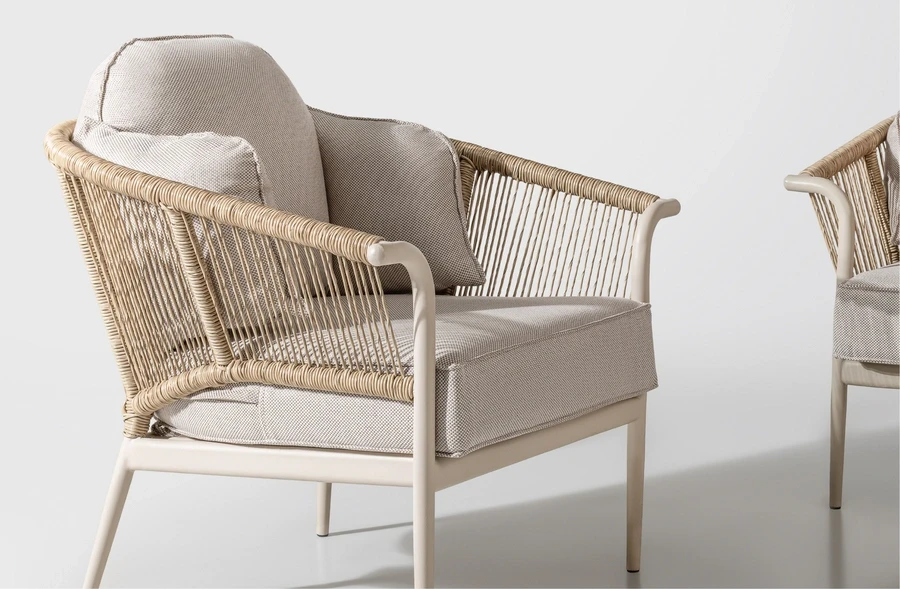 Cushion and Fabric Choices for Outdoor Furniture: Waterproof, Durable, and Comfortable Options!
22 May 2026 -
 Sun Loungers and Sunbeds: A Comfortable Guide for Poolside Use
22 May 2026 -
 Outdoor Dining Table Dimensions: How Much Space Do You Need?
22 May 2026 -
 2026's Popular Garden Furniture Collections
22 May 2026 -
 Which Garden Furniture Can Stay Outside All Year Round?
22 May 2026 -
 Garden Furniture Color Selection: How to Create an Outdoor Palette?
22 May 2026 -
 Terazzi Garden Furniture in the TV Series “Muhtemel Aşk”
22 May 2026 -
 Garden Furniture Trends: Sustainable Materials and Recyclable Designs
22 May 2026 -
 Ways to Use Your Garden and Terrace for Longer in Autumn
22 May 2026