












Cushion and Fabric Choices for Outdoor Furniture: Waterproof, Durable, and Comfortable Options!
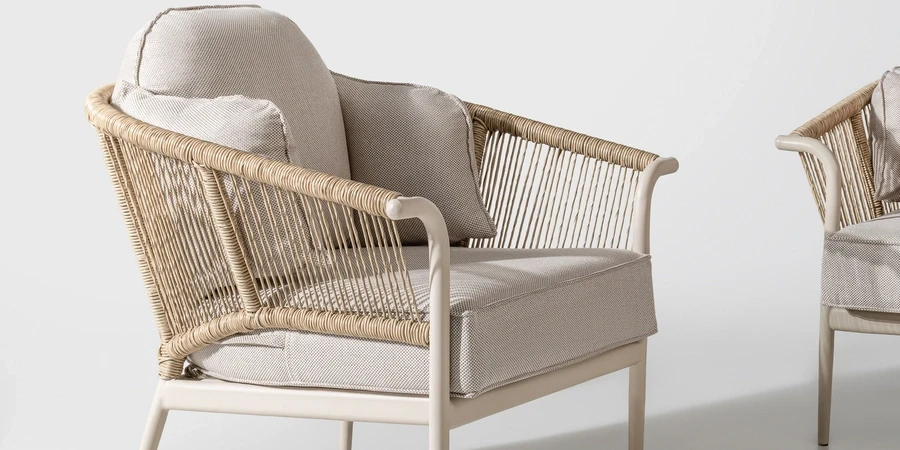
Cushion selection directly affects seating height, surface temperature, drying time, and the overall lifespan of outdoor furniture. Because sunlight, humidity, rain, and friction can quickly leave marks on textile surfaces, outdoor cushion fabric should not be selected based only on color or pattern. Even a well-built outdoor seating set or balcony furniture can lose comfort quickly if the wrong fabric or filling material is used.
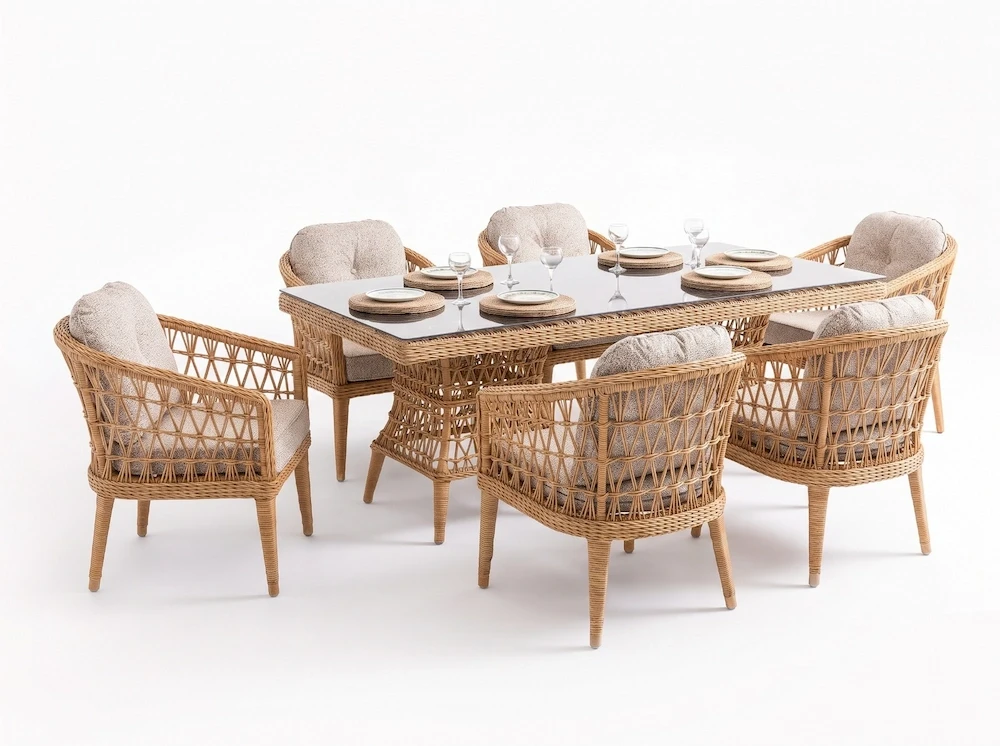
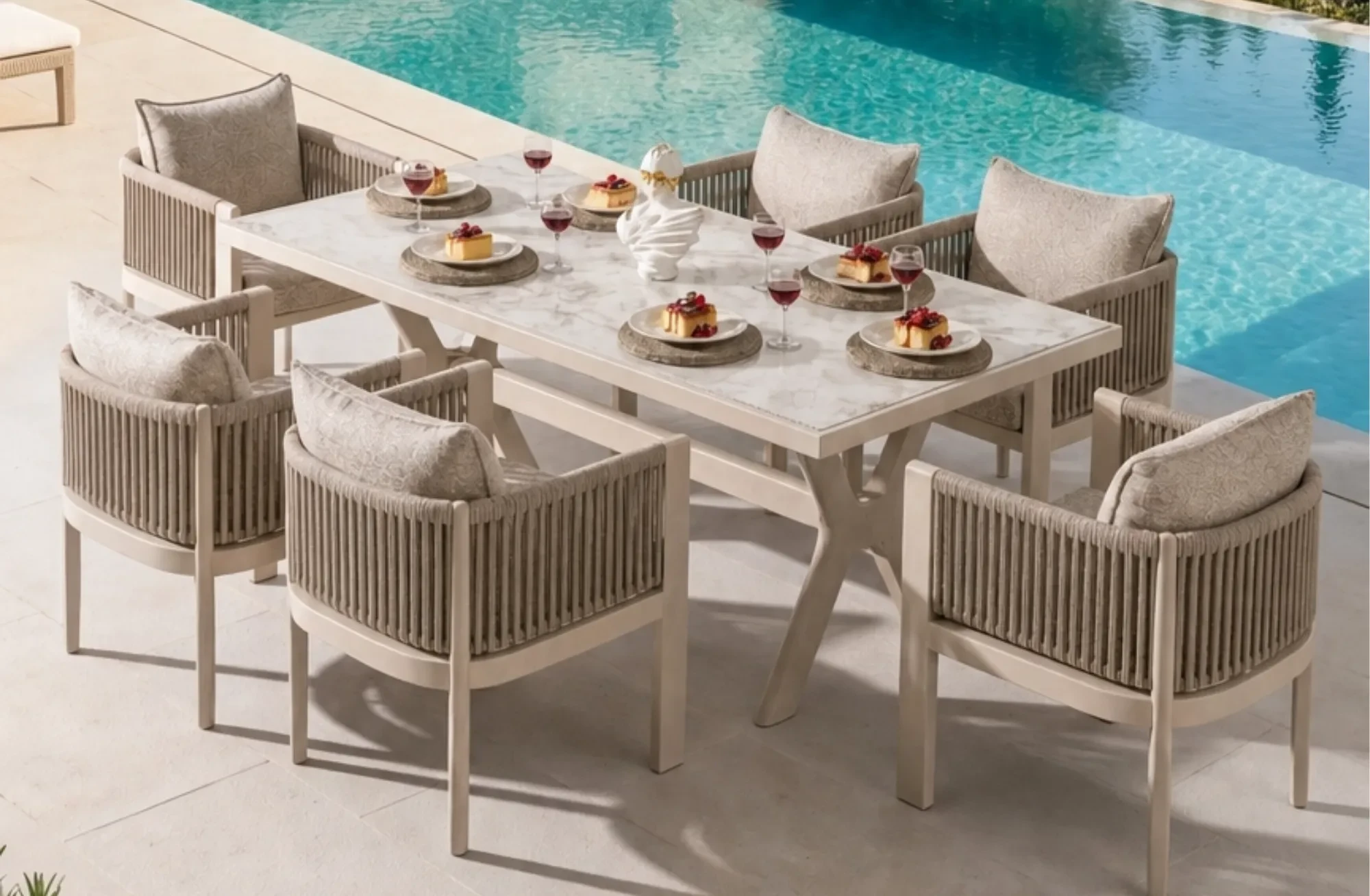
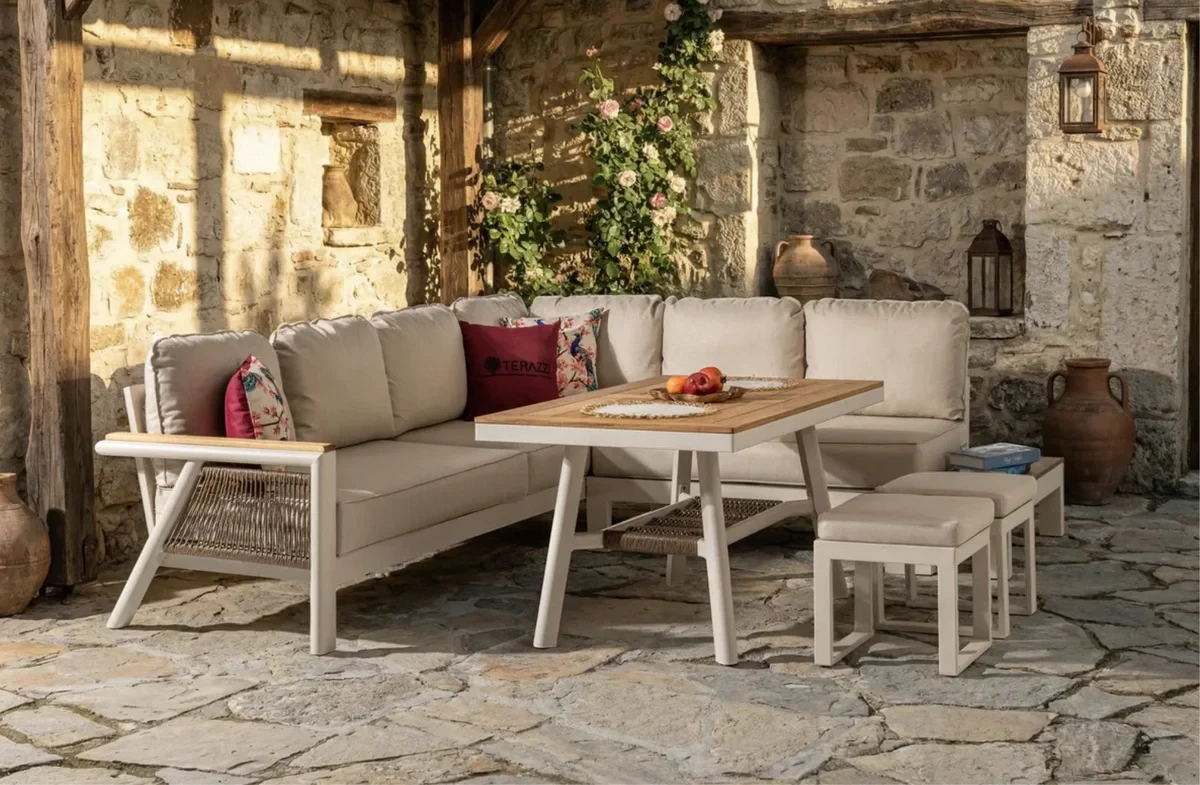
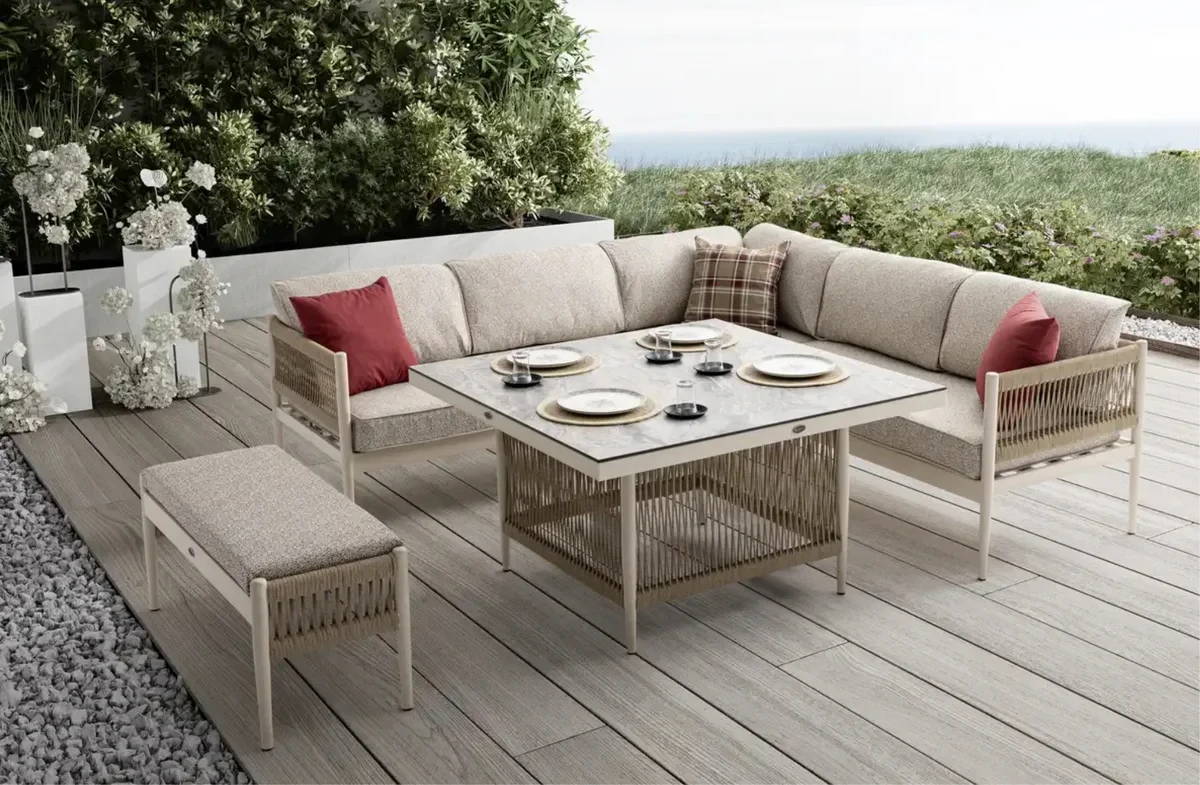
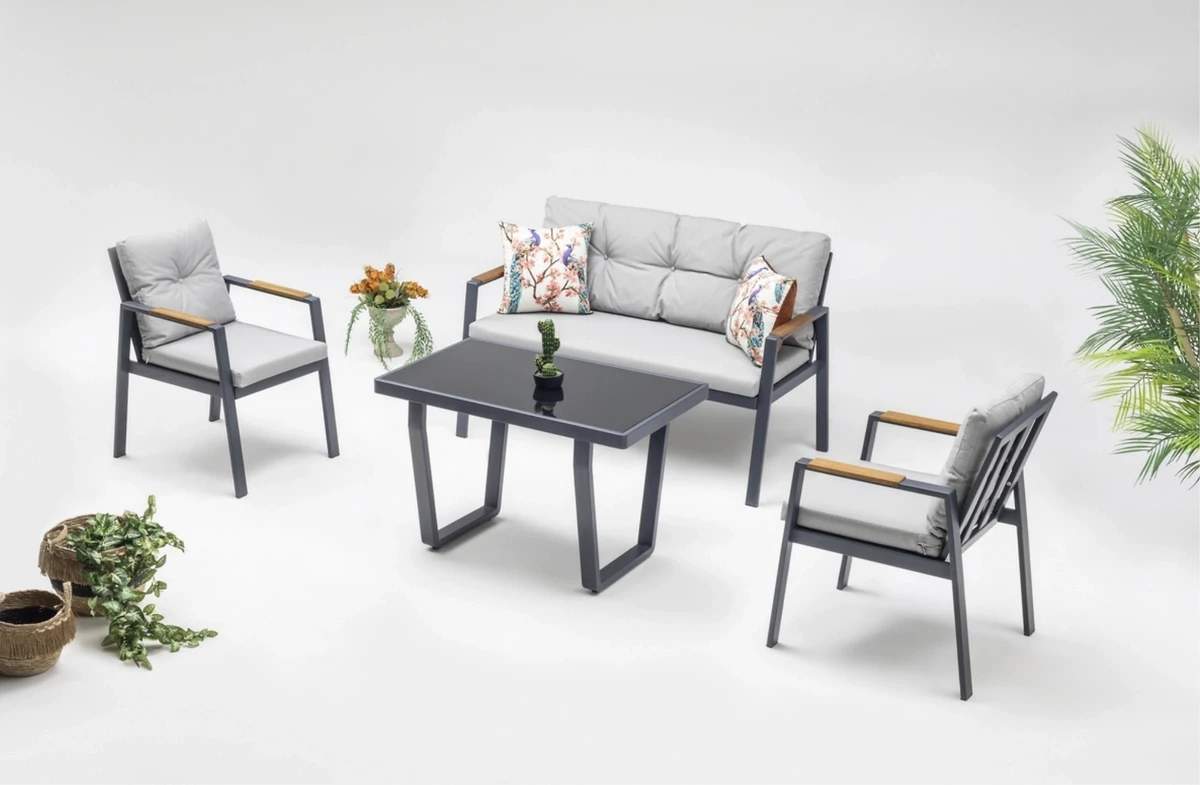
In Terazzi collections designed for gardens, balconies, and terraces, cushion construction, fabric selection, and seating comfort are considered alongside the frame material. For this reason, water repellency, UV resistance, foam density, stitching structure, and cover cleaning should all be evaluated together when choosing a product.
What Should You Look for When Choosing Outdoor Cushion Fabric?
The choice of outdoor cushions and fabrics determines how textile surfaces used on seating groups, sun loungers, swings, and dining areas perform against sunlight, humidity, and friction. The right fabric should not allow water to penetrate the fibers too quickly, should maintain its color under sun exposure, and should help reduce the risk of mold in humid environments.
The filling structure is just as important as the fabric. Cushion thickness alone is not an indicator of comfort. A thick cushion made with low-density foam may collapse quickly, while a thinner cushion with medium firmness may provide better support during extended periods of sitting.
For this reason, when comparing outdoor furniture, cushion fabric, filling material, and cover details should be evaluated alongside the frame design.
The Difference Between Water-Repellent and Waterproof Cushion Fabrics
One of the most commonly misunderstood topics when choosing cushions and covers is the difference between water-repellent and waterproof fabrics.
Water-repellent fabrics are treated to slow down the immediate absorption of water. During light rain, water may remain on the surface for a short period, but prolonged exposure can still allow moisture to reach the inner layers.
Waterproof fabrics generally use a coating, membrane, or tightly woven structure to prevent water from penetrating for longer periods. However, fully waterproof surfaces may offer less breathability and can feel firmer or less ventilated in hot weather.
| Criterion | Water-Repellent Fabric | Waterproof Fabric |
|---|---|---|
| Light rain | Provides short-term protection | Provides protection for longer periods |
| Prolonged water exposure | Moisture may penetrate | More resistant |
| Breathability | Generally higher | May be more limited |
| Seating feel | More natural textile feel | May feel firmer depending on coating |
| Suitable use | Balcony, dining area, semi-covered terrace | Open terrace, poolside, furniture left outdoors |
Water-repellent fabrics may be sufficient for chair cushions used around dining sets. For sun loungers, outdoor swings, or large seating modules that remain exposed for longer periods, fabrics offering a higher level of water protection may be more suitable.
How Should Cushion Thickness and Foam Density Be Selected?
A thicker cushion is not always more comfortable. A 10 cm cushion made from low-density foam may lose its shape quickly. A medium-firm cushion with a thickness of 6–8 cm may provide more stable support for longer sitting periods.
When selecting cushions for outdoor seating group, seat depth, backrest angle, and cushion height should be considered together. Cushions that are too thick can increase the seating height and negatively affect knee and lower-back positioning.
For compact spaces such as balconies, thinner cushions that maintain their shape can be more practical. Non-slip bases, tie straps, or fixing details are also useful for chair cushions on windy terraces.
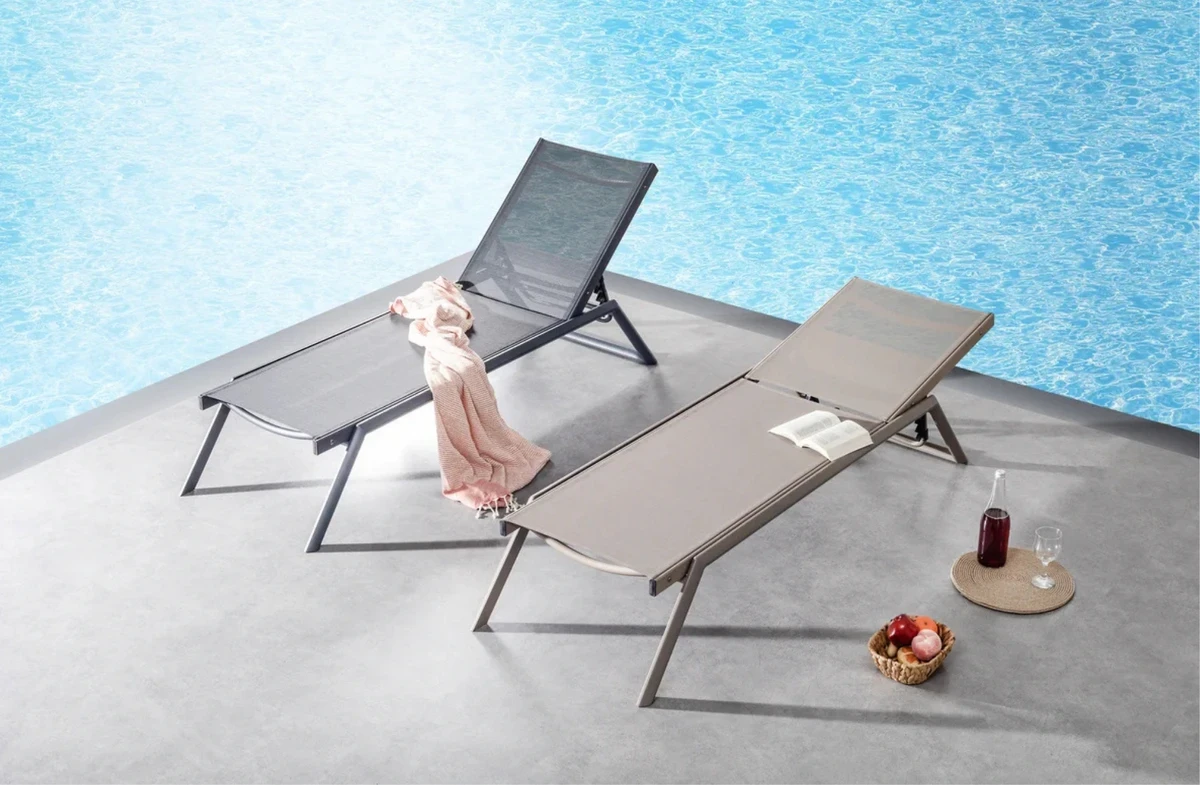
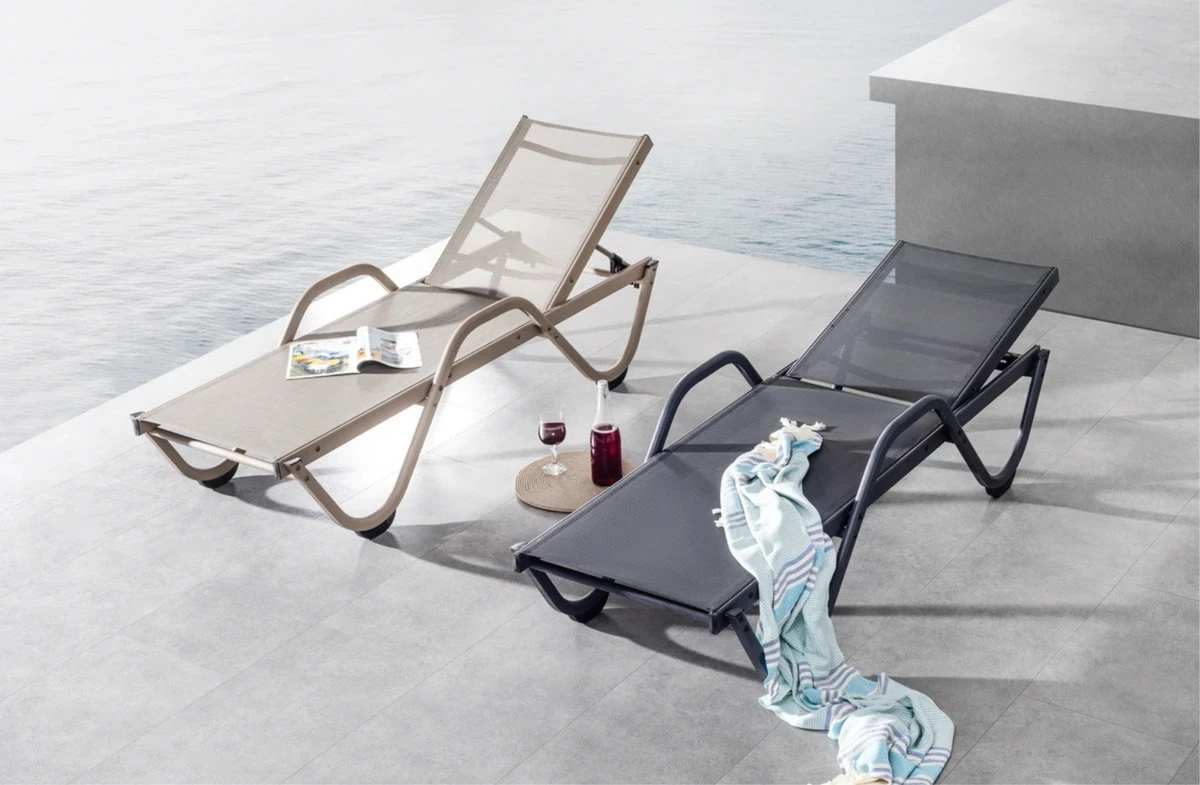
For sun lounger cushions, the extended reclining position is more important. Cushions that distribute body weight evenly and reduce pressure around the head, lower back, and knees provide greater comfort. When comparing sun lounger models, segmented construction, compatibility with folding points, and ease of cover cleaning should also be checked.
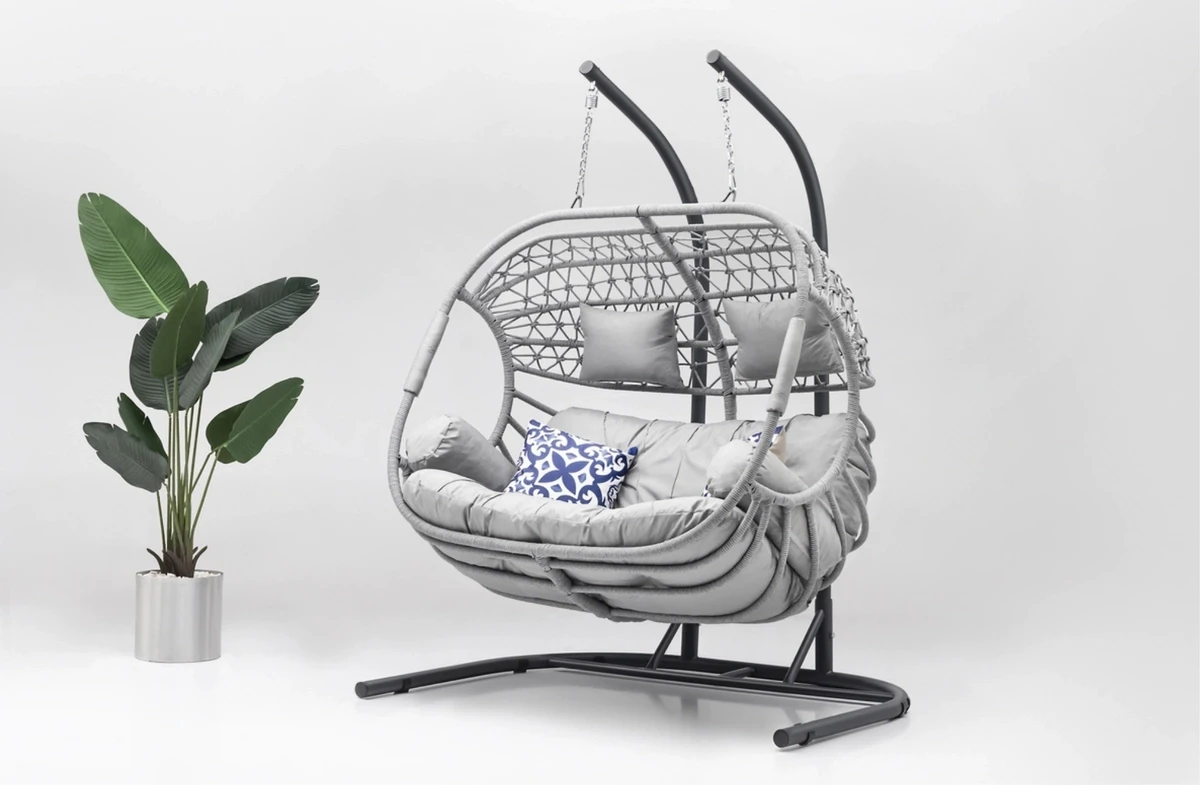
For outdoor swing cushions, extremely soft filling does not always provide the best result. Medium-firm cushions that help stabilize the body during swinging and do not slide easily generally provide more balanced support. Connection and fixing details should therefore also be evaluated when choosing swing models.
What Should You Check When Buying Outdoor Cushions?
Is the cushion cover removable?
Has the fabric been treated for UV resistance?
Is the water-repellent or waterproof performance clearly specified?
Is the foam density suitable for extended seating?
Is there a risk of water collecting around the seams?
Are the zipper and connection components suitable for outdoor use?
Can stains be wiped from the fabric surface easily?
Does the cushion fit the furniture dimensions correctly?
Is there a fixing system for windy locations?
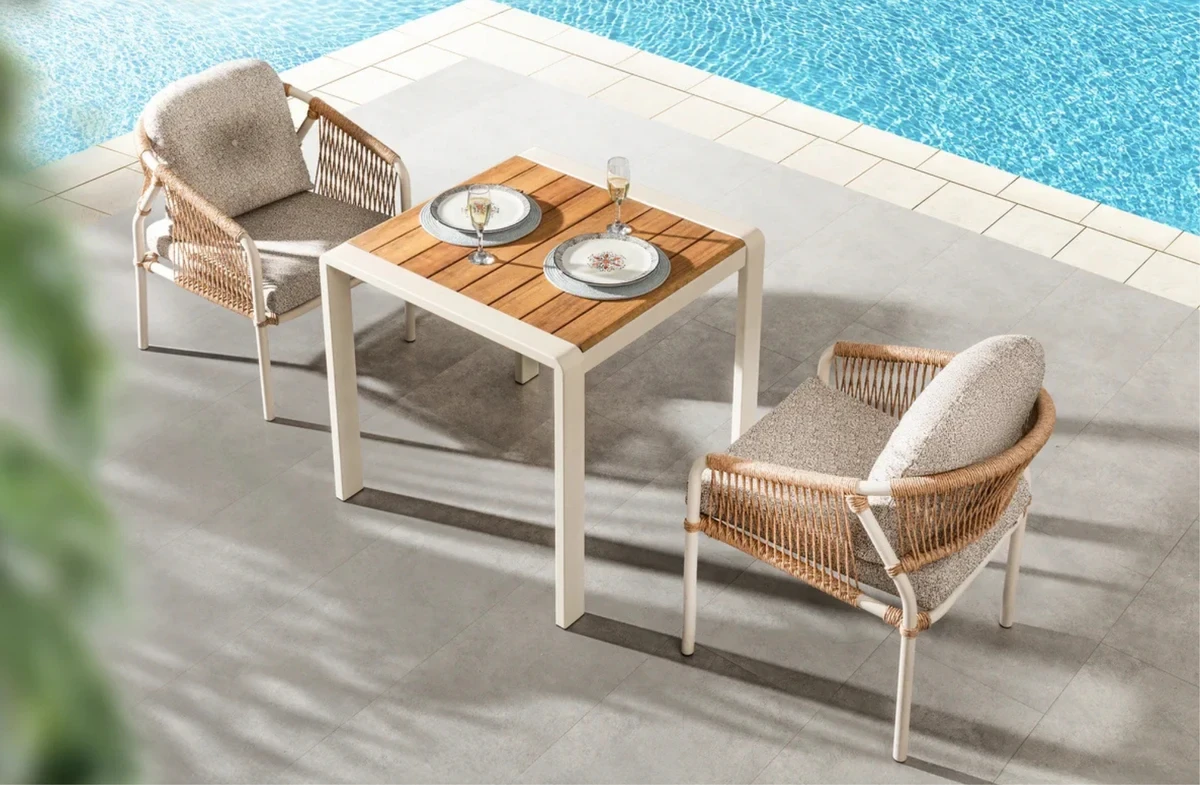
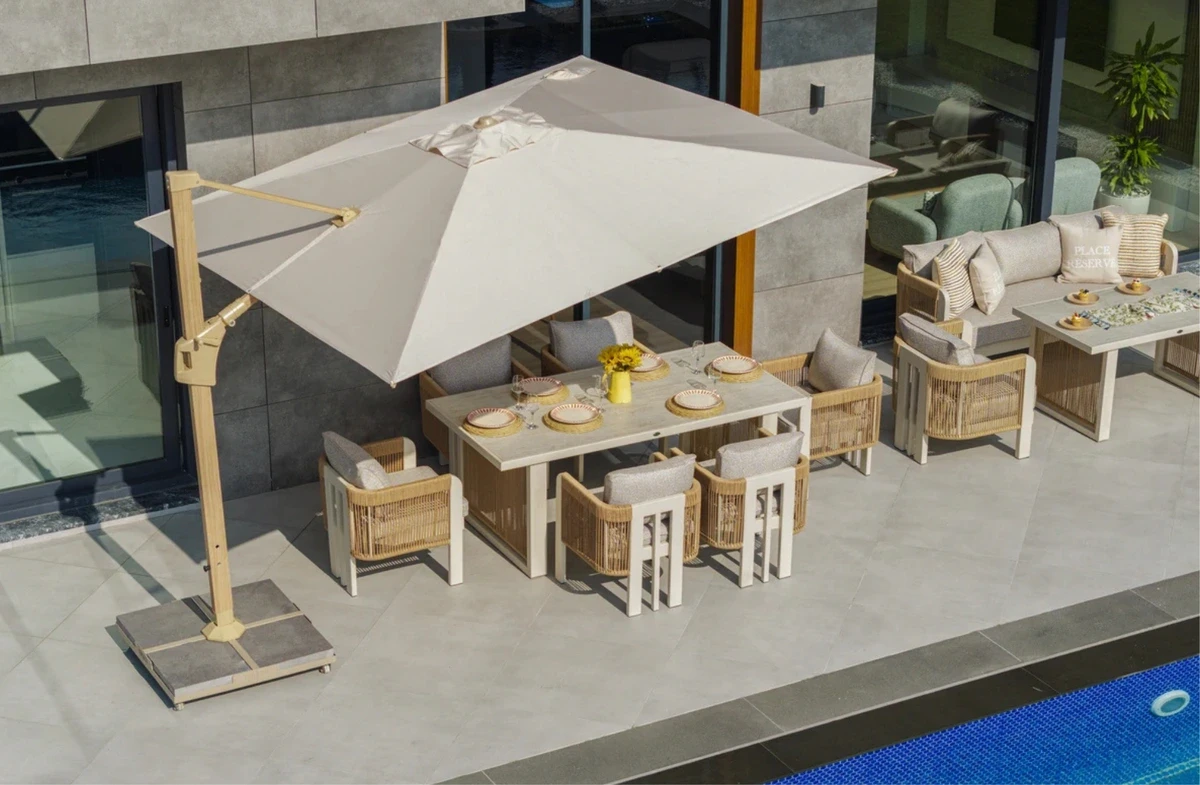
When choosing cushions for a dining set, ease of cleaning becomes particularly important. Spilled drinks, crumbs, and food stains occur more frequently in dining areas. For this reason, fabrics that can be wiped quickly, do not immediately absorb stains into the fibers, and have removable covers are generally more practical.
How Do Cushion Colors Affect Heat Retention and Stain Visibility?
Fabric color affects not only outdoor decoration but also surface temperature and maintenance frequency. Dark-colored fabrics may absorb more heat under direct sunlight. Lighter shades absorb less heat, but dust and stains may be more noticeable.
When choosing colors, stone flooring, wooden decking, ceramic surfaces, metal frames, and surrounding plants should be considered together. Patterned fabrics can make small stains less noticeable, while solid fabrics provide a cleaner appearance and are easier to coordinate with different furniture forms.
Designer’s Note: Choosing a cushion color based only on a catalog image may not provide an accurate result. Daylight, shade, and evening lighting can all change how the fabric tone is perceived.
Outdoor Cushion Maintenance, Drying, and Storage
Outdoor cushions should not remain damp for extended periods if their shape and performance are to be preserved. Even water-repellent fabrics can gradually lose performance if left continuously exposed to rain. During periods of non-use, cushions should ideally be stored in a dry and covered area.
For cleaning, mild products that comply with the manufacturer’s instructions should be preferred instead of harsh chemicals. Bleach, abrasive brushes, and high temperatures can damage fabric coatings and affect color stability.
Cushions should never be stored before they are completely dry after washing. This is particularly important for thick seat cushions, where the internal filling may remain damp even when the outer surface feels dry.
Cushions with replaceable covers also make it possible to renew only the textile surface instead of replacing the entire cushion.
Comparison of Outdoor Cushion Fabrics
| Fabric Type | Main Advantages | Points to Consider | Suitable Use |
|---|---|---|---|
| Polyester | Lightweight, easy to clean, quick drying | Greater risk of fading without UV treatment | Balcony, semi-covered terrace |
| Acrylic | High color stability and sun resistance | May be more expensive | Large terraces, outdoor seating areas |
| Olefin | Good resistance to moisture and mold | Texture may vary depending on the product | Poolside, humid environments |
| Coated fabric | High level of water protection | Reduced breathability | Exposed sun lounger and swing cushions |
In addition to fabric type, stitching structure, filling material, and manufacturing quality also influence the lifespan of a cushion. Particularly for frequently used products such as outdoor seating groups and dining sets, daily seating comfort should be considered alongside fabric durability.
Frequently Asked Questions About Cushions and Fabrics for Outdoor Furniture
Is outdoor cushion fabric waterproof?
Not every outdoor cushion fabric is completely waterproof. Water-repellent fabrics resist short-term contact with liquids, while coated or waterproof fabrics can delay water from reaching the internal filling for longer periods.
What does water-repellent fabric mean?
Water-repellent fabric is treated to slow down the immediate absorption of water when it reaches the surface. It provides protection against light rain and short-term liquid contact, but moisture may eventually penetrate during prolonged exposure.
What is the most durable fabric for outdoor cushions?
Acrylic fabrics are known for strong color stability under sunlight, while olefin fabrics perform well in humid environments because of their resistance to moisture and mold. Acrylic may be more suitable for terraces with intense sun exposure, while olefin can be a practical option around pools and in humid locations.
Can outdoor cushions be left outside in the rain?
Water-repellent or waterproof fabrics can provide protection during short periods of rain. However, leaving cushions continuously exposed to rain can increase the risk of water collecting around seams, odors developing, and the filling losing its shape.
What should you look for when choosing a sun lounger cushion?
A sun lounger cushion should ideally feature quick-drying fabric, segmented construction, a non-slip surface, and a removable cover. Medium-density filling that supports the back and lower back can provide more balanced comfort.


-
 Turn Your Balcony into a Winter Garden with Garden Furniture: Step by Step Guide
18 June 2026 -
 Features of Iroko Groups in Wooden Garden and Balcony Furniture
18 June 2026 -
 What is Aluminum Garden and Balcony Furniture?
18 June 2026 -
 What is Rope Knitted Garden Furniture?
18 June 2026 -
 Outdoor Lighting and Furniture: How to Create the Right Balance
18 June 2026 -
 Outdoor Furniture Cleaning Guide: How to Keep It Looking Like New
18 June 2026 -
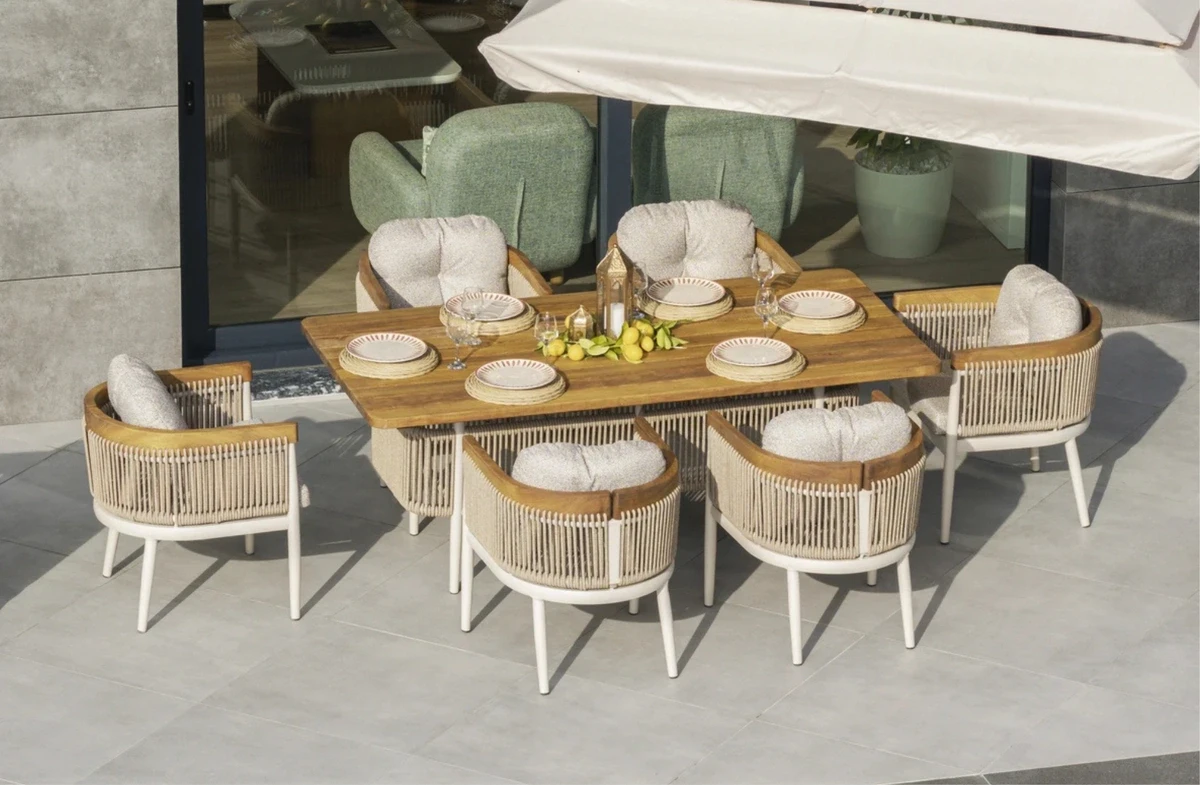 Outdoor Seating Layout Guide for Large Terraces
18 June 2026 -
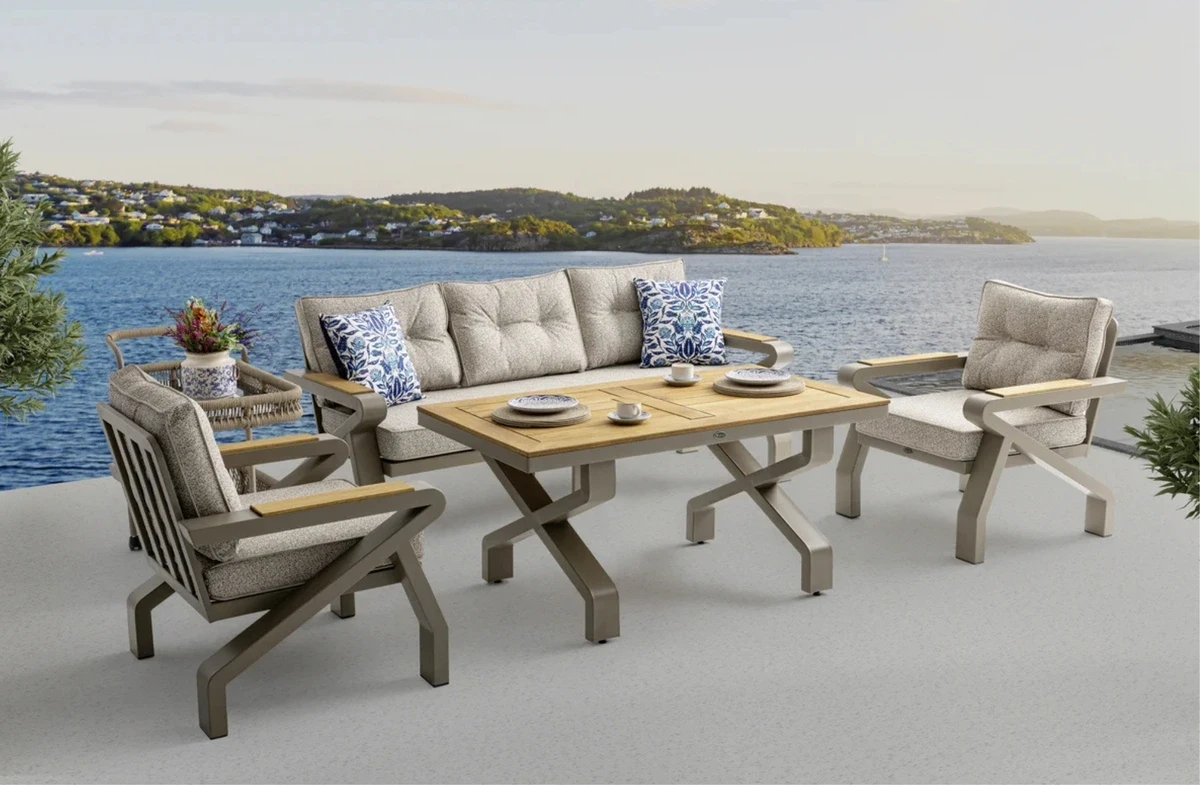 Why Is Aluminum Preferred for Outdoor Furniture?
18 June 2026 -
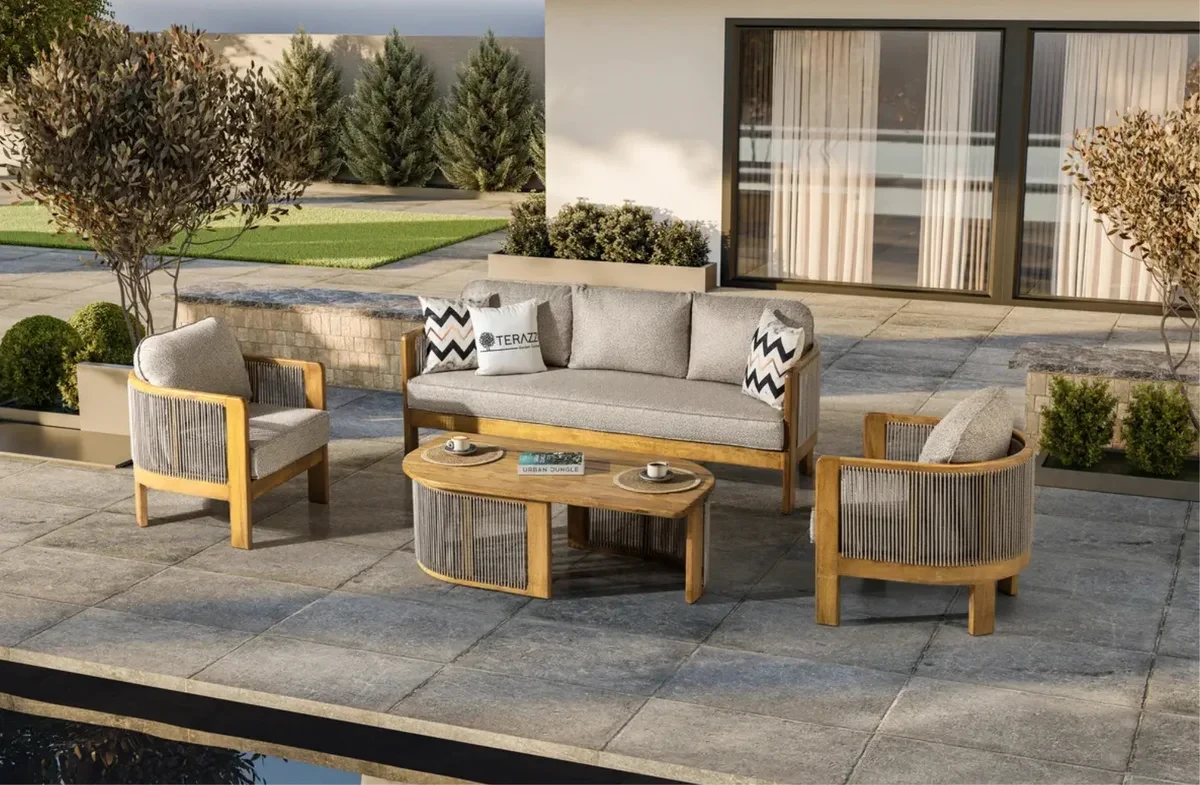 Villa Garden Decoration Ideas and 2026 Design Trends
18 June 2026 -
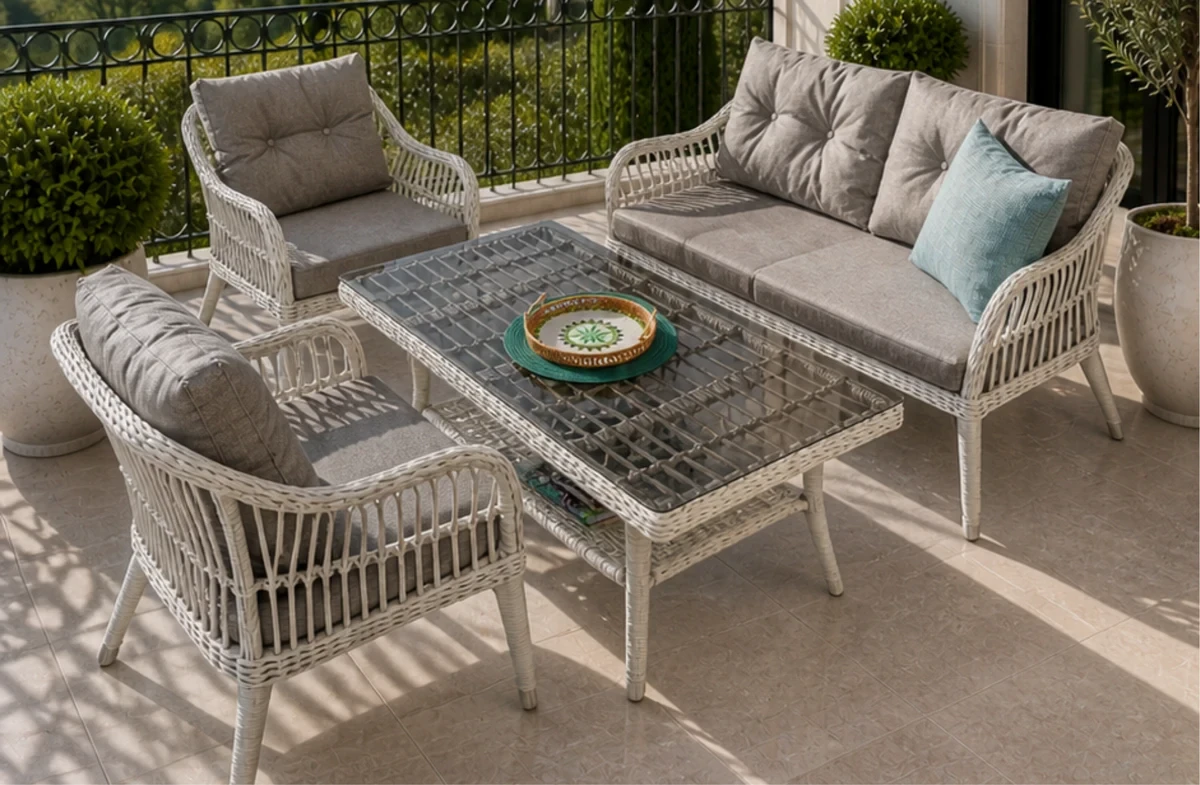 Choosing Outdoor Furniture for Hotels and Restaurants
18 June 2026 -
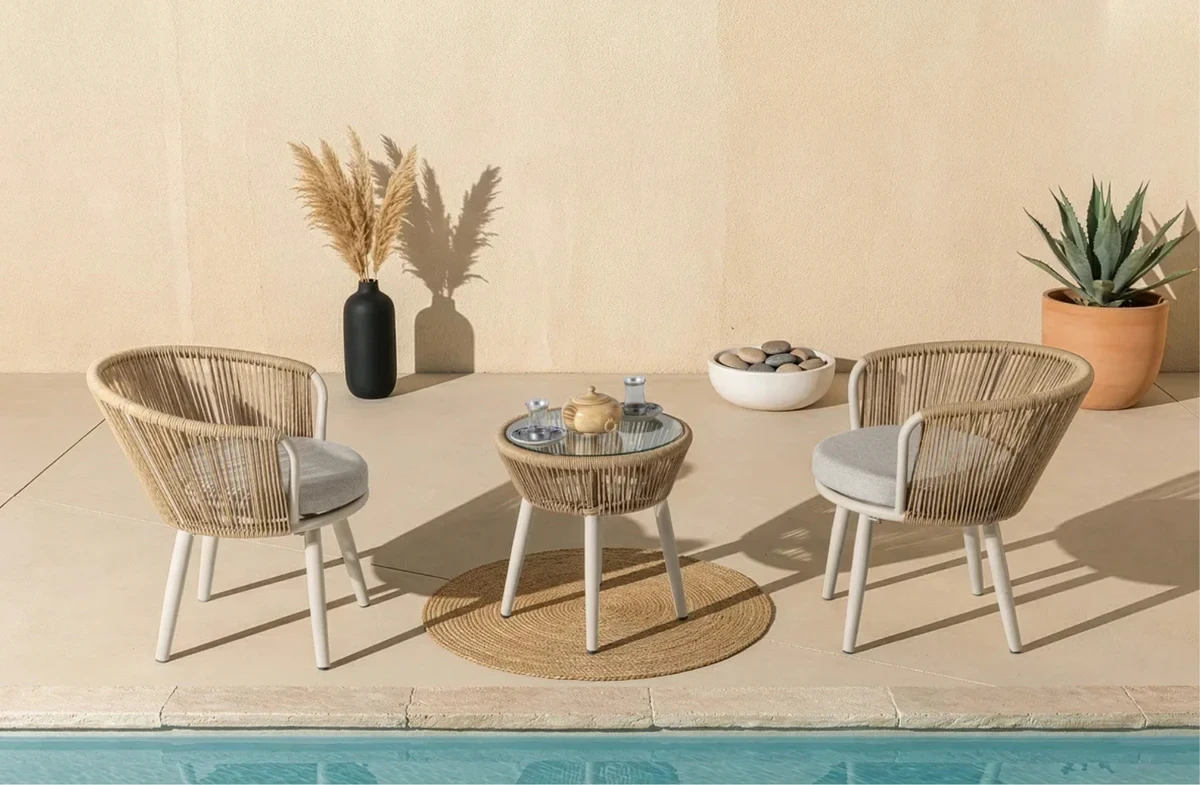 Decorating Ideas for Small Balconies: A Guide to Measurements, Materials, and Placementi
18 June 2026 -
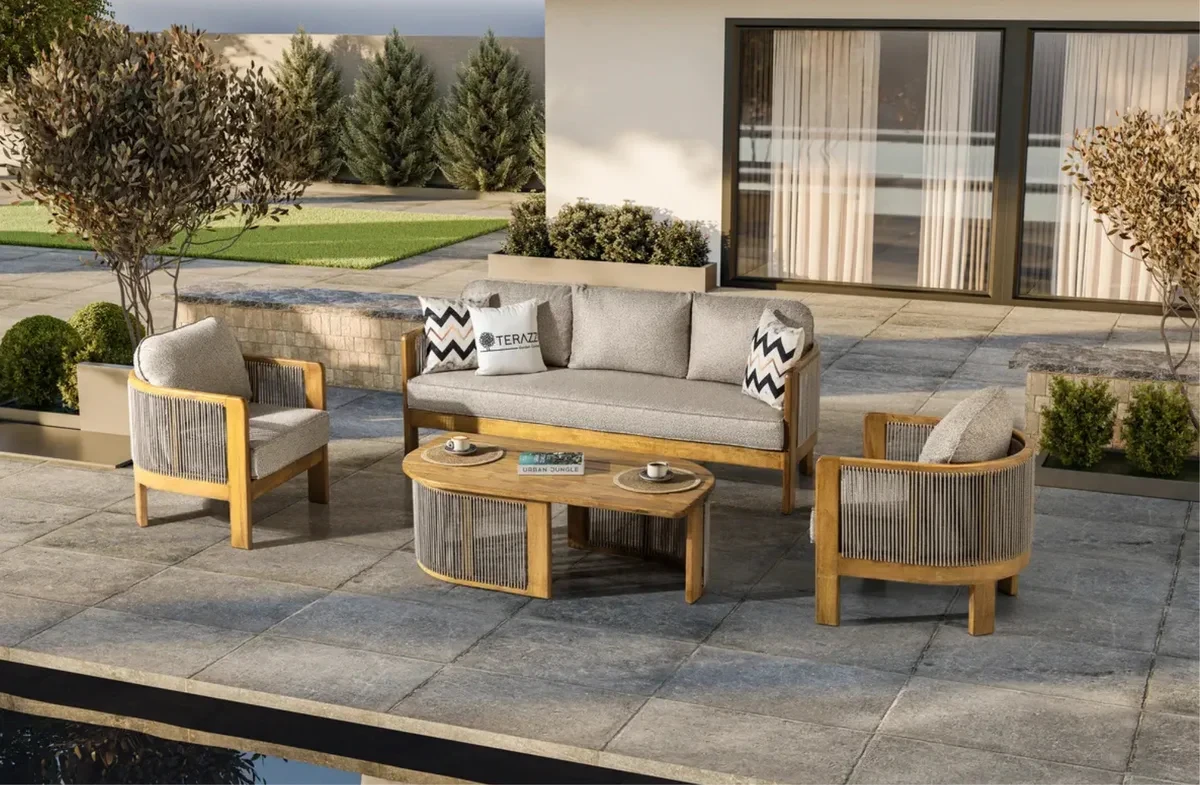 Differences Between Iroko and Teak Wood: Which is More Sensible for Garden Furniture?
18 June 2026 -
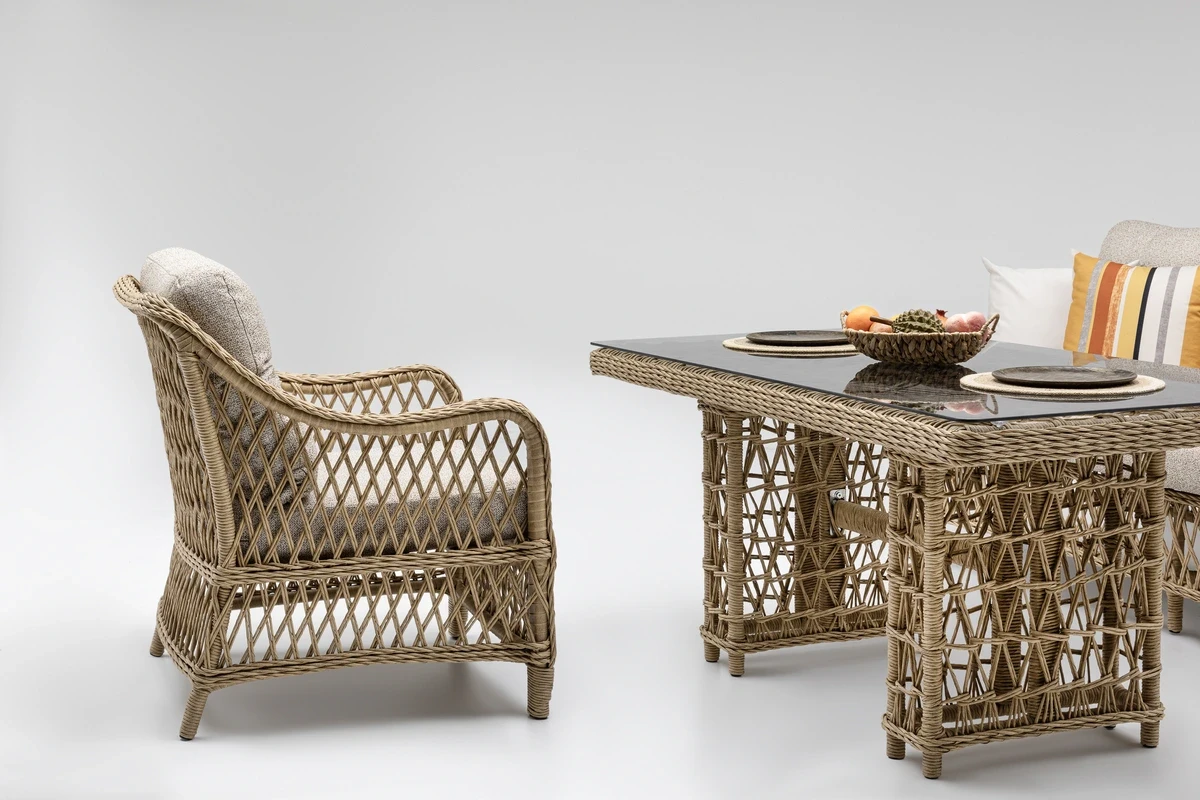 What is the difference between rattan and bamboo furniture?
18 June 2026 -
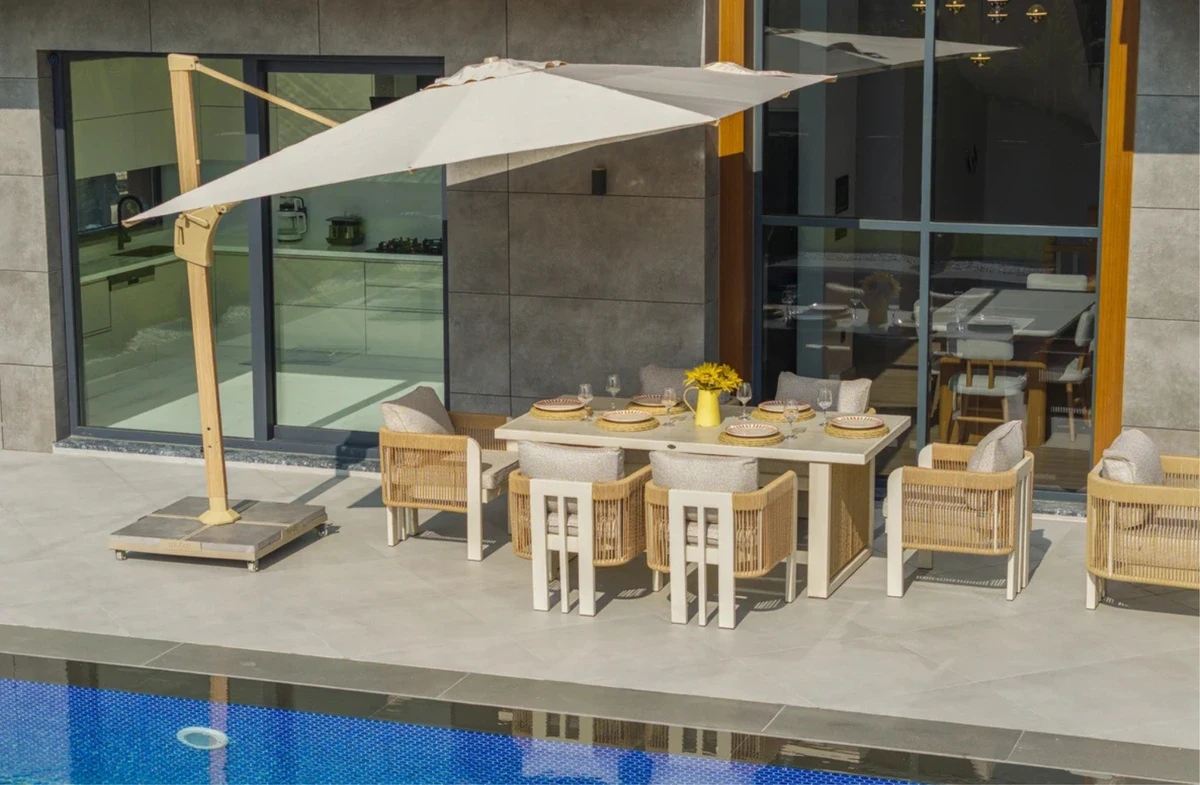 What should you pay attention to when choosing a garden or balcony umbrella?
18 June 2026 -
 Sun Loungers and Sunbeds: A Comfortable Guide for Poolside Use
18 June 2026 -
 Outdoor Dining Table Dimensions: How Much Space Do You Need?
18 June 2026 -
 2026's Popular Garden Furniture Collections
18 June 2026 -
 Which Garden Furniture Can Stay Outside All Year Round?
18 June 2026 -
 Garden Furniture Color Selection: How to Create an Outdoor Palette?
18 June 2026 -
 Terazzi Garden Furniture in the TV Series “Muhtemel Aşk”
18 June 2026 -
 Garden Furniture Trends: Sustainable Materials and Recyclable Designs
18 June 2026 -
 Ways to Use Your Garden and Terrace for Longer in Autumn
18 June 2026